How India Is Designing Dissent
Look closely at this season’s protests and you see design choices.


Look closely at this season’s protests and you see design choices.
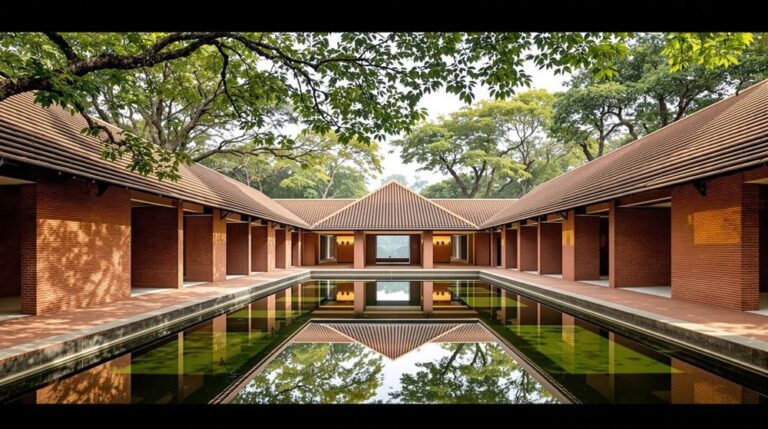
In 1963, Charles Correa built the museum at Sabarmati Ashram from brick, stone and tile, a modest building often read as an expression of swadeshi.
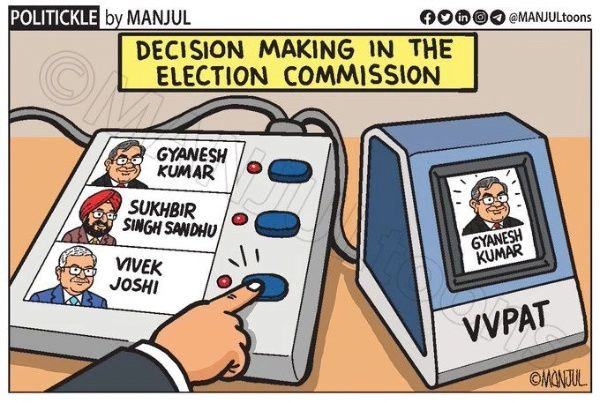
Satish Acharya and Manjul are India’s best-known editorial cartoonists.
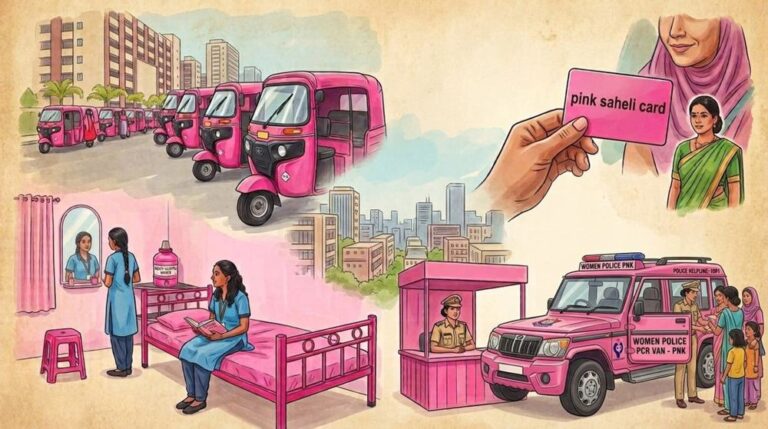
Indian governments keep reaching for one design tool to signal care for women: pink.

UX4G is the Government of India’s design system, built by MeitY to make public websites and apps easier to use.
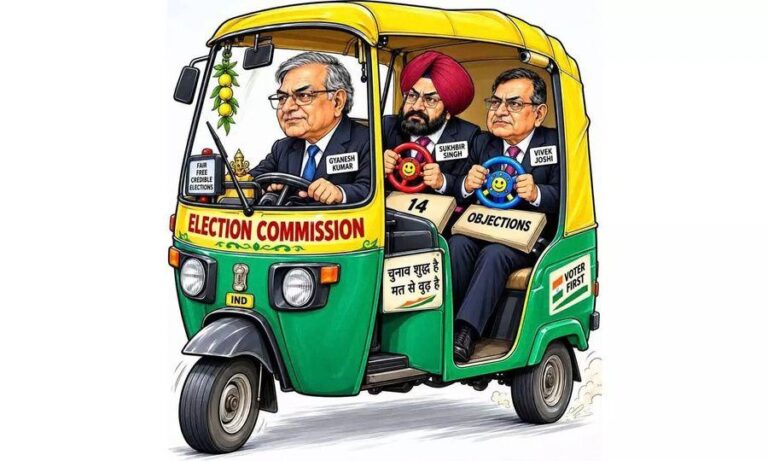
For decades, India’s voter roll ran on a simple default.

The Election Commission is designed as a three-member body of equals, meant to decide unanimously or by majority.

On 22 September, a Supreme Court bench hearing drug-pricing petitions was told that an essential cancer medicine carried an MRP of ₹27,000 while being supplied to retailers at ₹2,700.
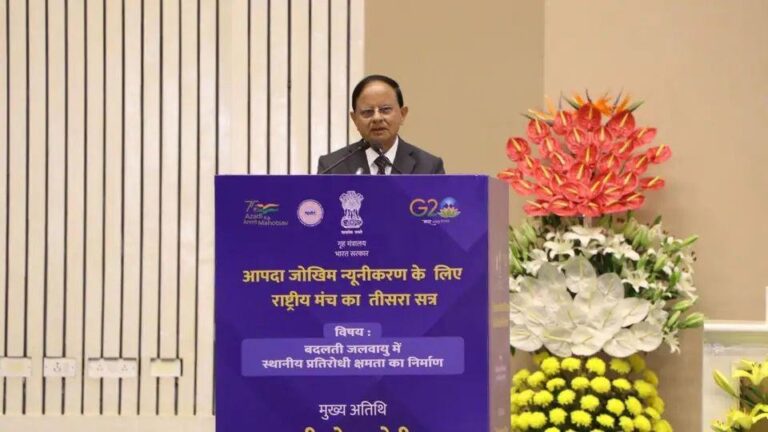
On 23 September, the Prime Minister’s Principal Secretary told a banking conclave in Mumbai that India’s journey must move from “make in India” to “design in India”.

On 21 September, NHAI released guidelines for the planning and design of high-speed, access-controlled National Highways other than expressways.