CBSE and dark UX patterns
The CBSE’s recent directive to make the APAAR ID mandatory for Class 10 and 12 board exam registrations from 2026 represents a concerning escalation in India’s march towards compulsory digital identification.


The CBSE’s recent directive to make the APAAR ID mandatory for Class 10 and 12 board exam registrations from 2026 represents a concerning escalation in India’s march towards compulsory digital identification.

In the freedom struggle, the object of revolt was a spinning wheel, a designed tool that doubled as a symbol of self-reliance and mass participation.

On 11 August, more than two hundred schoolchildren from Chandupur in Hamirpur walked several kms to the district Collectorate, carrying the Tricolour and demanding a usable road to their school, a 1.5 km stretch that turns to slush each monsoon.

When the exam protests grew, mainstream television gave the movement little attention, so protestors started documenting it themselves.
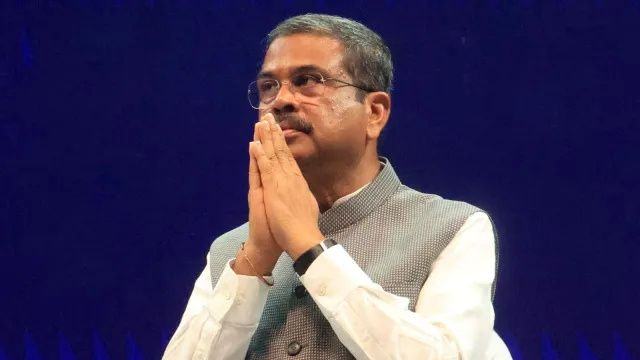
On 25 July, Dharmendra Pradhan stepped down as education minister.
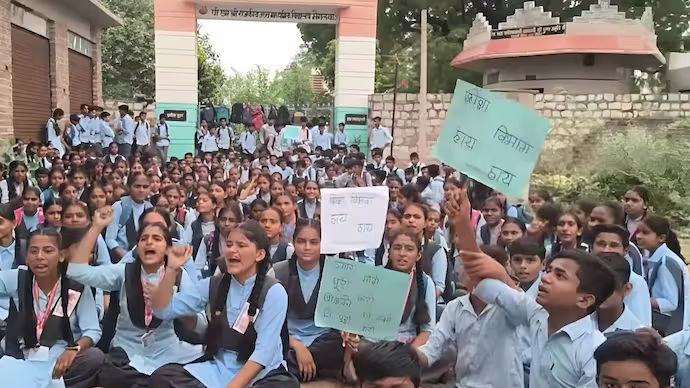
Days after the Gen Z protests, a younger cohort took the same street.

Ahead of next month’s hockey World Cup, the national team’s jersey turned from blue to saffron, and the change became a national argument dominated by a design choice.

Beneath the exam crisis sits a quieter redesign of who governs higher education.
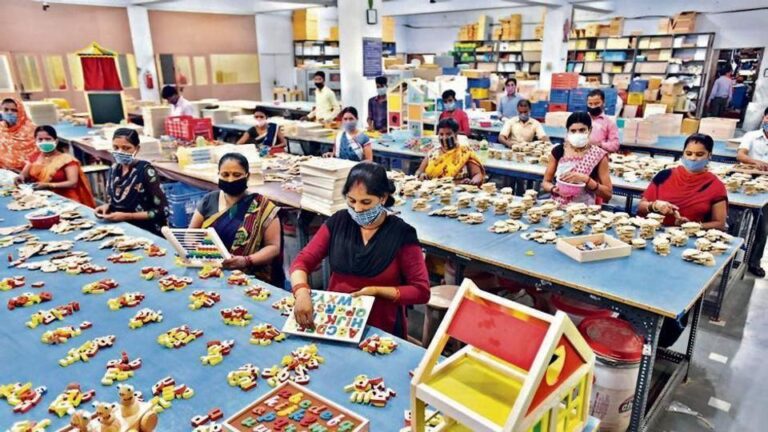
This week the government launched a Toy Sector Playbook and a task force, aiming to capture five percent of the global toy market by 2032.

Goa this week hosted a push to make government services speak Konkani.