India changed a definition, and bamboo became an economy
In 2017, India removed bamboo grown outside forests from the legal definition of a tree.


In 2017, India removed bamboo grown outside forests from the legal definition of a tree.
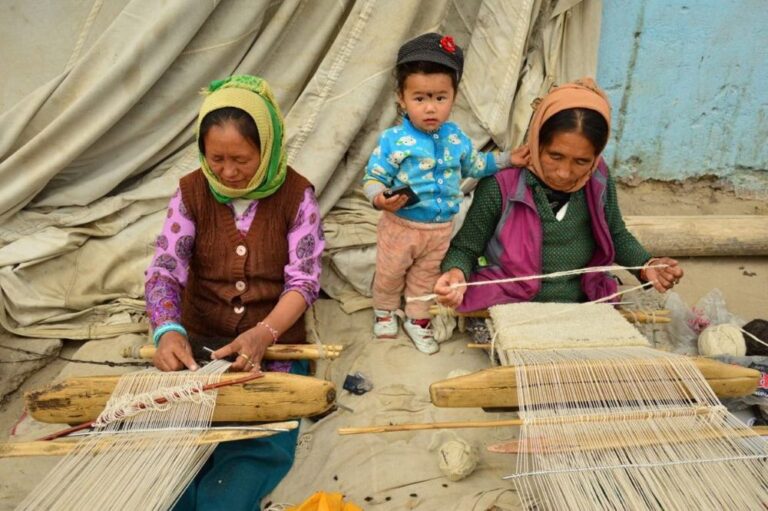
In Leh this month, Ladakh’s textile artisans sat down for a different kind of training not in weaving, which they’ve mastered for generations, but in design, product development, and reaching markets.

Every pair of jeans has a water bill.
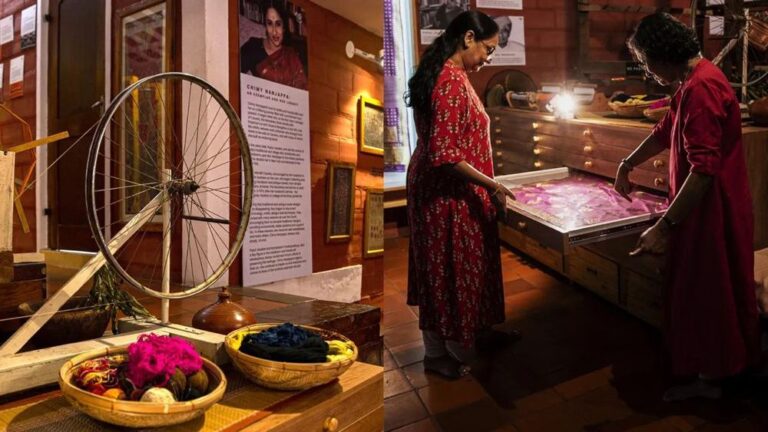
At the Vimor Museum of Living Textiles in Bengaluru, revivalist Pavithra Muddaya has spent five decades reviving forgotten South Indian handloom weaves.
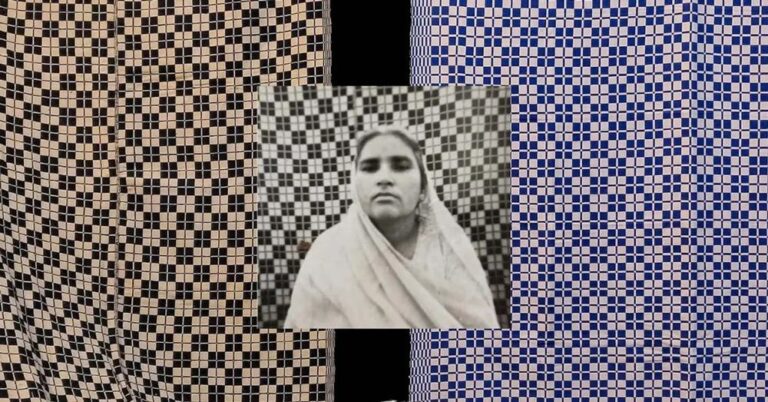
In 2018, NID textile students Arjunvir Singh and Rashi Sharma went looking for Majnu Khes, the most intricate form of a Punjabi double-cloth weave.
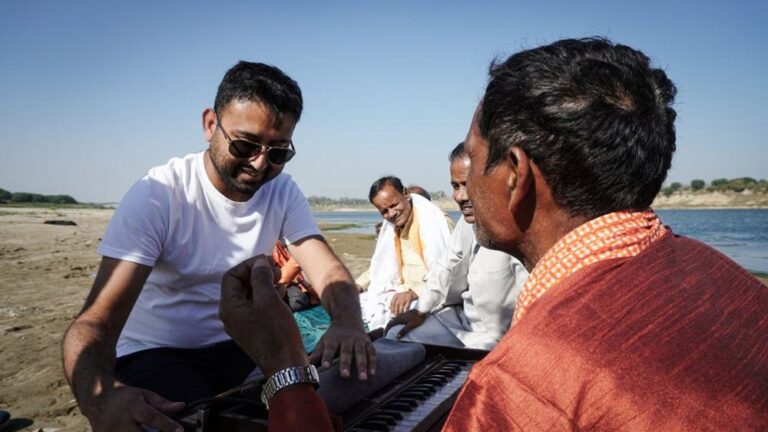
On 13 June 2026, a research paper presented at the Design Research Society Conference in Edinburgh argued that India’s folk musicians about how folk artists are recognised, credited and compensated.
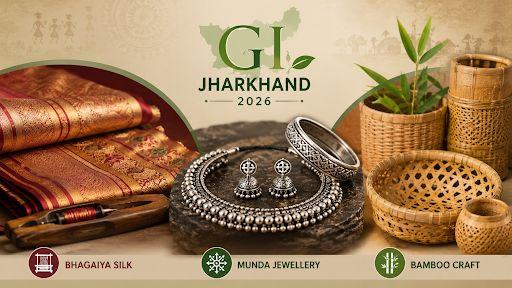
On June 14, Jharkhand’s Bhagaiya silk, Kuchai silk, Munda jewellery, and bamboo craft products have received the Geographical Indication (GI) tag.

Mission Senehjori, launched on 2 June 2026, sets out a three-year plan to rebuild Assam’s Muga silk economy from cocoon to export.
The Digital Empowerment Foundation, Digikargha, and Creative Dignity have jointly announced the Digital Artisans of India Awards 2026, recognising Indian artisans and organisations that are harnessing…

This week, at the World Intellectual Property Day celebrations in New Delhi, Union Commerce Minister Piyush Goyal held up an unusual GI-certified product — the Kashmir Willow cricket bat, made from willow…