Is mainstream media replaced by mobile?
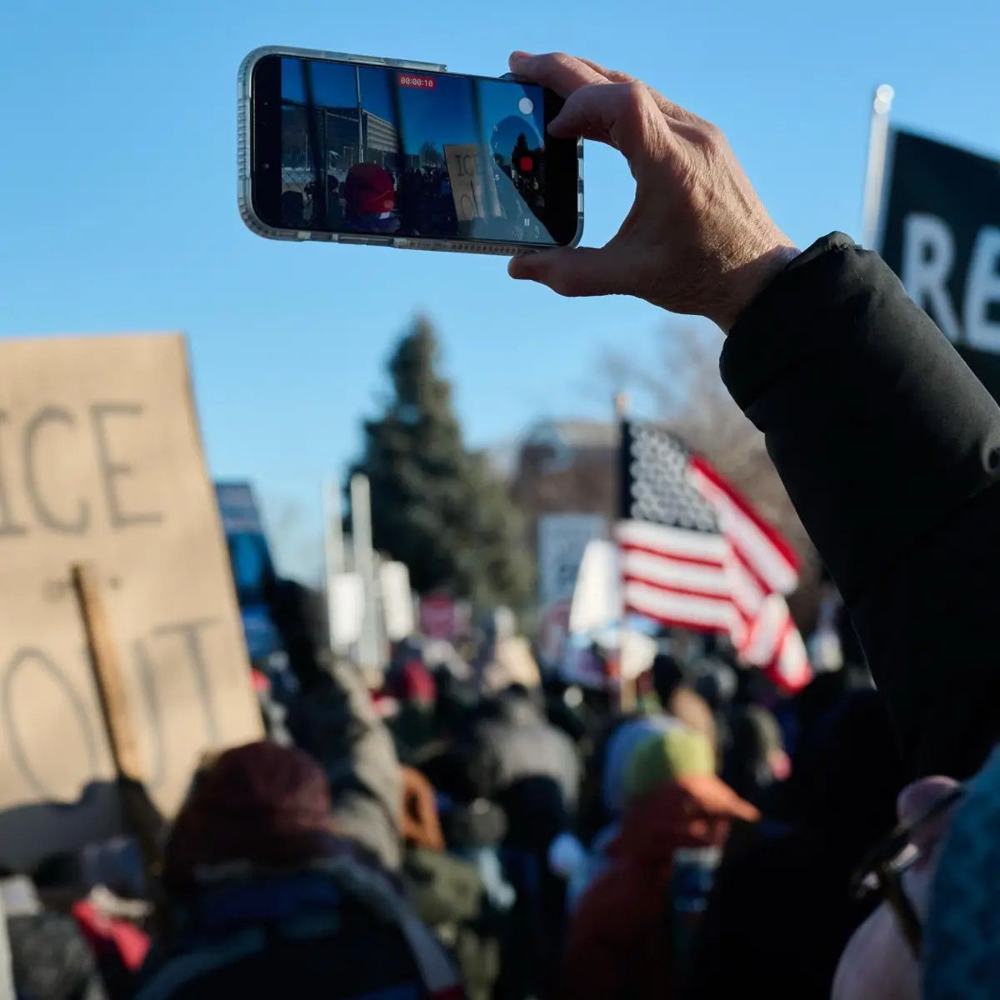
When the exam protests grew, mainstream television gave the movement little attention, so protestors started documenting it themselves. But the phone did more than record. It shaped how the protest was built. With no single leader to lead, coordination lived on screens, distributed across group chats and feeds rather than a stage. Clashes with police became recorded evidence, and confrontation became content. The format lowered the cost of joining to almost nothing. Citizens took part through reaction videos, remixes and parody edits, widening the movement well beyond its physical site. Every phone was a witness, which made the story hard to suppress and harder to spin. Instead of speaking through news channels, the government addressed protesters directly, through a selfie-style video on the same platform. Both sides had moved to the feed. When a protest is designed for the phone, who still controls the frame?
From Design Futures India DFI #037, 31 July 2026. Read the full edition →