How free buses could become a climate lever?
When Kerala made its ordinary state buses free for women and transgender riders in June, it looked like a welfare scheme.

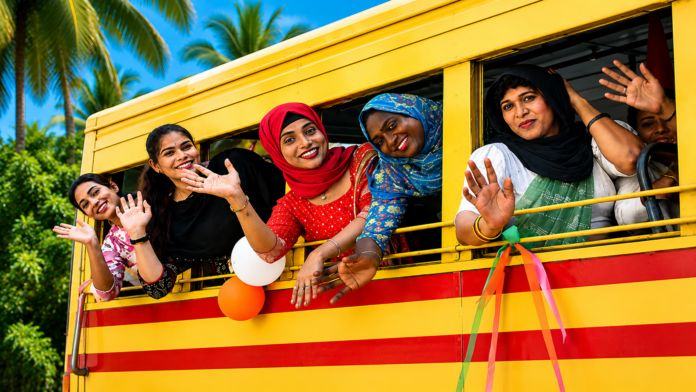
When Kerala made its ordinary state buses free for women and transgender riders in June, it looked like a welfare scheme.
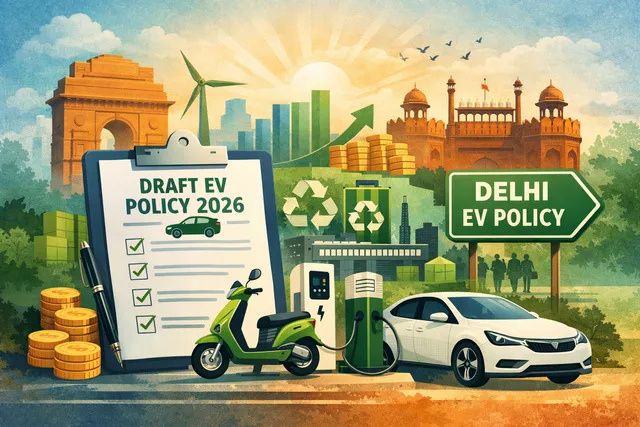
From 1 July, Delhi switched on an EV policy that runs to 2030, and it does one thing with unusual clarity.

For years, Aadhaar trained us to over-share.
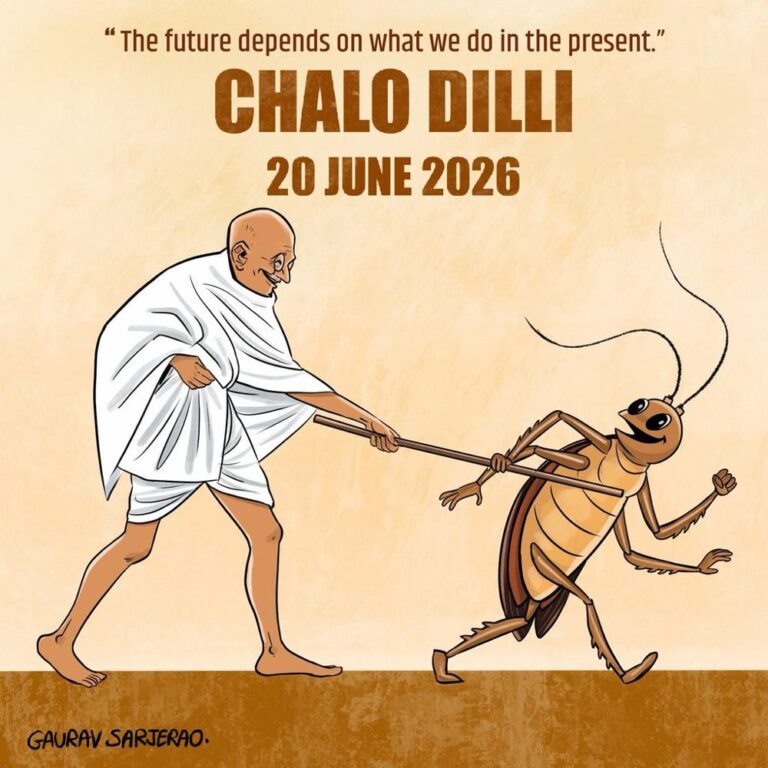
In five weeks, a six-legged insect has become one of the most reproduced symbols in Indian visual culture.
On 16 June 2026, Tata Motors’ chief design officer Martin Uhlarik said the company will reintroduce physical buttons and switches in upcoming models.
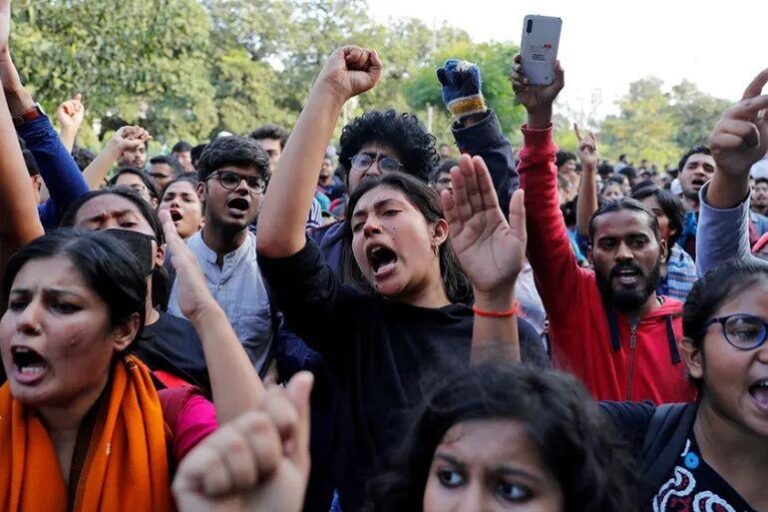
In the last few weeks, India’s education crisis has unfolded dramatically.
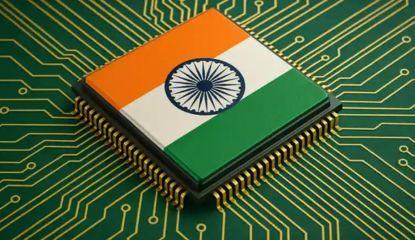
On June 11, Union Minister Ashwini Vaishnaw inaugurated an advanced quantum computing and AI lab at MNIT Jaipur.
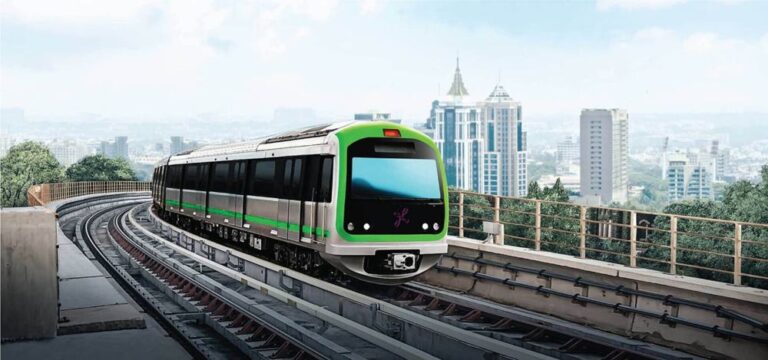
Starting June 2026, BMTC buses begin accepting the National Common Mobility Card under India’s One Nation One Card framework, which also works on Namma Metro.
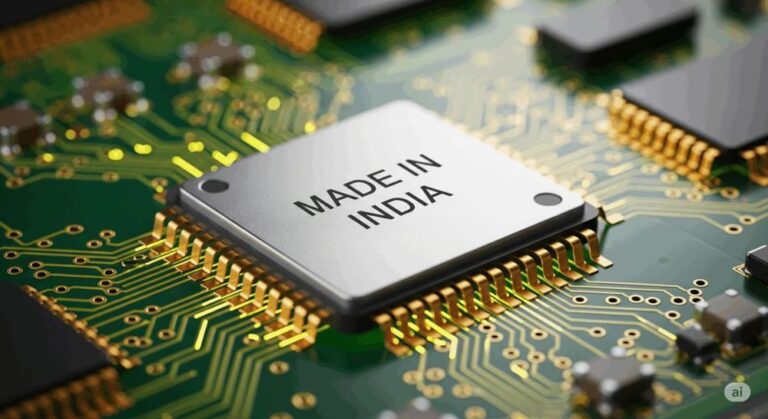
On May 30, NITI Aayog released Future of India’s Semiconductor Industry — a ten-year roadmap targeting a $120–150 billion value chain by 2035.
Microsoft launched Elevate for Educators in India — its first Asian rollout.