Design Futures India · 3 October 2025
DFI #003
In this edition: India’s XR economy finds a home in Maharashtra; Punjab designs the blueprint for urban skies; Grassroots talent meets Industry 4.0 in Telangana; and more.
-
India’s XR economy finds a home in Maharashtra
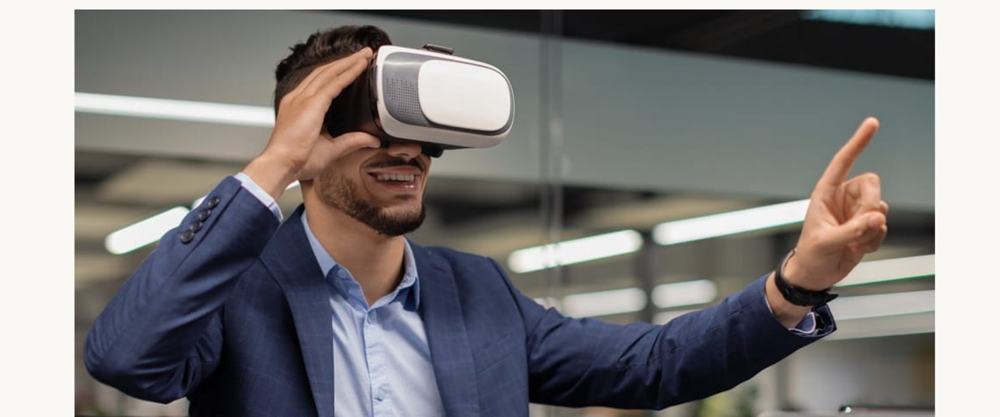 Maharashtra approves a ₹3,000+ crore AVGC-XR Media Park in Nagpur — India’s largest hub for animation, VFX, gaming, comics, and extended reality. Spread across a major development zone, the park will bring together studios, training academies, co-working spaces, and production infrastructure under one roof. This is India’s biggest formal bet on its creative economy. For years, Indian animators and VFX professionals have powered global projects but lacked a strong domestic ecosystem. With this park, immersive design is no longer a niche — it’s being treated as infrastructure on par with IT parks and tech SEZs. With this park, immersive design is no longer a niche — it’s being treated as infrastructure on par with IT parks and tech SEZs.
From Design Futures India DFI #003, 3 October 2025. Read the full edition →
-
Punjab designs the blueprint for urban skies
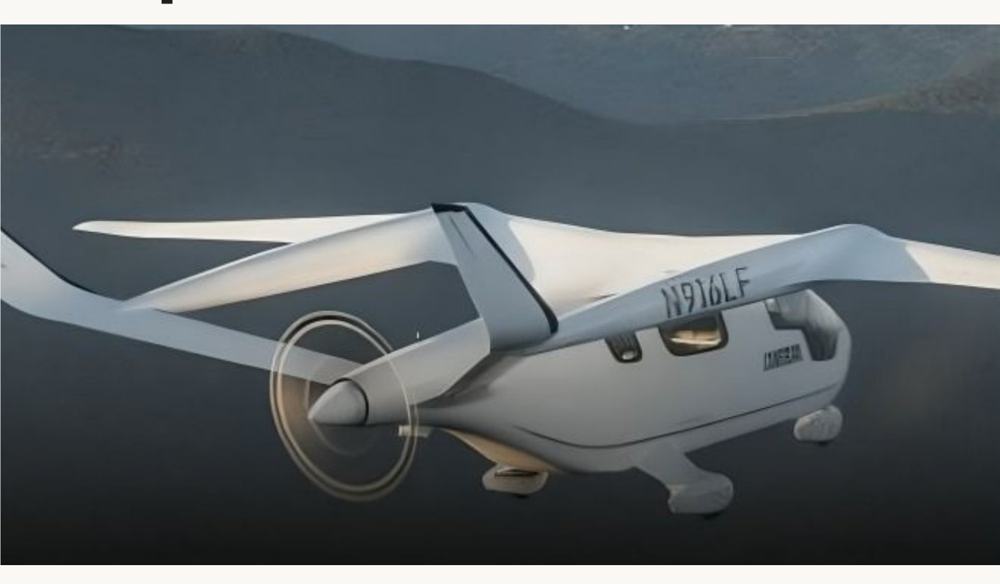 Punjab-based Nalwa Aero has just received DGCA’s Design Organisation Approval for its 5-seater electric air taxi, capable of cruising at 350 km/h. This is the first company to get certified in India for eVTOLs (electric vertical take-off and landing aircraft). This isn’t just about flying taxis — it’s about reimagining how India moves. For designers and innovators, this opens up an entirely new canvas: human-centred air mobility. The underlying signal is that India is no longer waiting to import futuristic mobility — it is designing and certifying it locally. This is about cleaner skies, faster cities, and the possibility of faster intercity commute. This is about cleaner skies, faster cities, and the possibility of faster intercity commute.
From Design Futures India DFI #003, 3 October 2025. Read the full edition →
-
Grassroots talent meets Industry 4.0 in Telangana
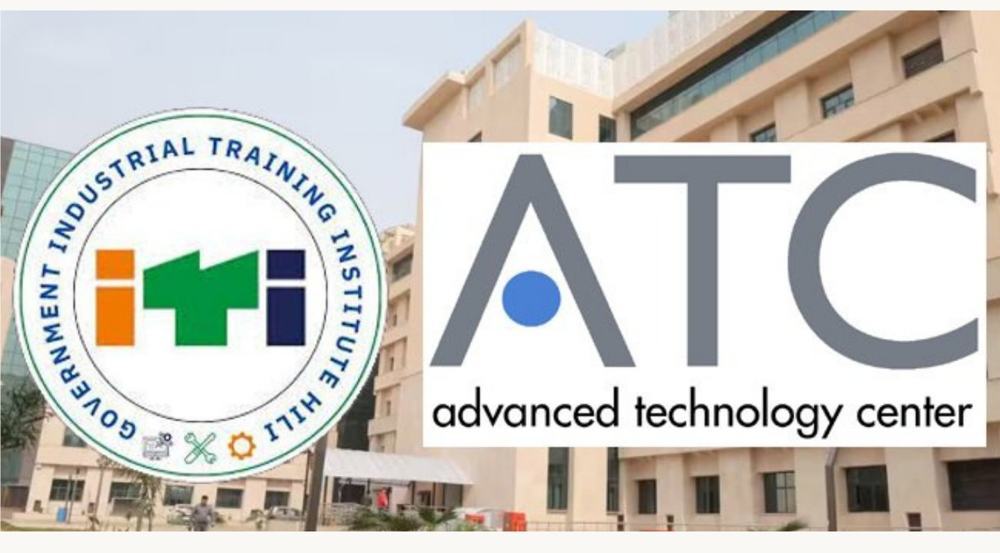 The Telangana government is setting up 65 Advanced Technology Centres (ATCs) across the state, giving students and grassroot innovators access to robotics, IoT, 3D printing, and other Industry 4.0 tools. By placing cutting-edge labs in smaller towns and institutions, Telangana is democratising access to technology. For innovators, it means the tools to prototype are coming to your backyard. When a student in Karimnagar can 3D-print a drone, or a young team in Warangal can experiment with IoT for farming, India’s innovation map shifts from metro clusters to a constellation of opportunities.
From Design Futures India DFI #003, 3 October 2025. Read the full edition →
-
India’s first 3D-printed rural home rises in Roorkee
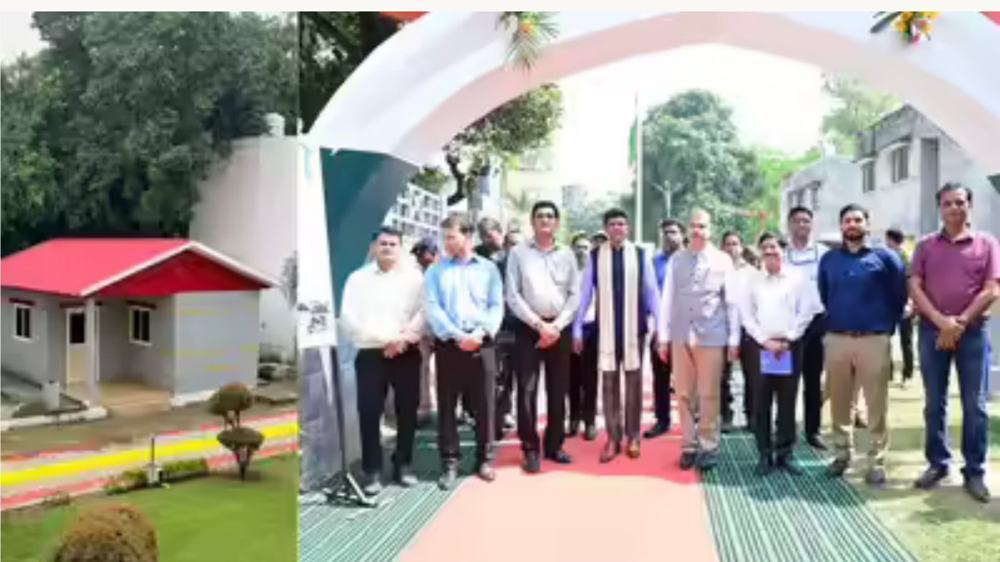 India unveiled its first 3Dprinted rural home at CBRI Roorkee under the Pradhan Mantri Awas Yojana – Gramin (PMAY-G). Built with concrete printing, the prototype is designed to be affordable, durable, and scalable using sustainable cement mixes incorporating agro-industrial waste such as fly and bagasse. This is design serving where it matters most. 3D-printing in rural India means quicker construction, lower costs, and homes that can adapt to local contexts. For innovators, it’s a call to rethink how emerging technologies can solve everyday problems of dignity, shelter, and equity — design is no more an urban luxury. For innovators, it’s a call to rethink how emerging technologies can solve everyday problems of dignity, shelter, and equity — design is no more an urban luxury.
From Design Futures India DFI #003, 3 October 2025. Read the full edition →
-
Design for dignity: India drafts new standards
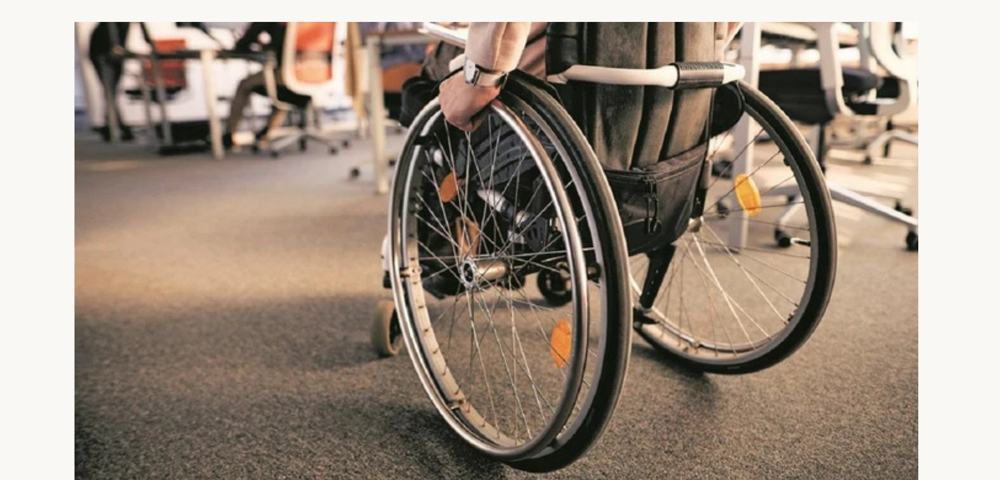 The Government of India has released a draft mandating accessibility features in everyday products. Provisions include tactile markings, ergonomic grips, and features to support disabilities. The standards are available on the Department of Empowerment of Persons with Disabilities website ( depwd.gov.in ) By drafting these standards, India is signalling that good design is also universal design. For millions of households, this could mean everyday dignity, independence, and safety. And for designers, it’s a reminder: impact is not always about inventing the future — sometimes it’s about redesigning the ordinary. And for designers, it’s a reminder: impact is not always about inventing the future — sometimes it’s about redesigning the ordinary.
From Design Futures India DFI #003, 3 October 2025. Read the full edition →
-
Turning waste into value: Recove raises ₹5.3 cr
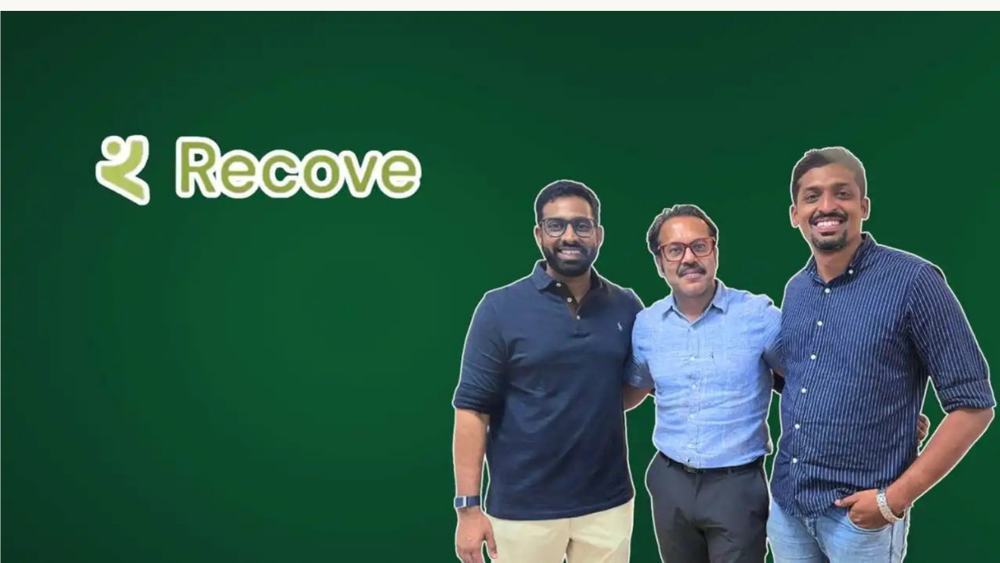 Bengaluru-based startup Recove has raised ₹5.3 crore in a pre-seed round to expand its B2B plastic recycling marketplace, connecting waste suppliers with recyclers and enabling traceable, largescale circular supply chains. Design isn’t just about making the new — it’s also about reimagining what we throw away. Recove puts a spotlight on India’s growing circular design economy, where waste becomes traceable, data-driven, and valuable. For young designers, this is more than a funding story. It’s a reminder that the next frontier of design lies in creating ecosystems — where sustainability shifts from a buzzword to a business model. It’s a reminder that the next frontier of design lies in creating ecosystems — where sustainability shifts from a buzzword to a business model.
From Design Futures India DFI #003, 3 October 2025. Read the full edition →
-
Delhi HC pushes for inclusive currency design
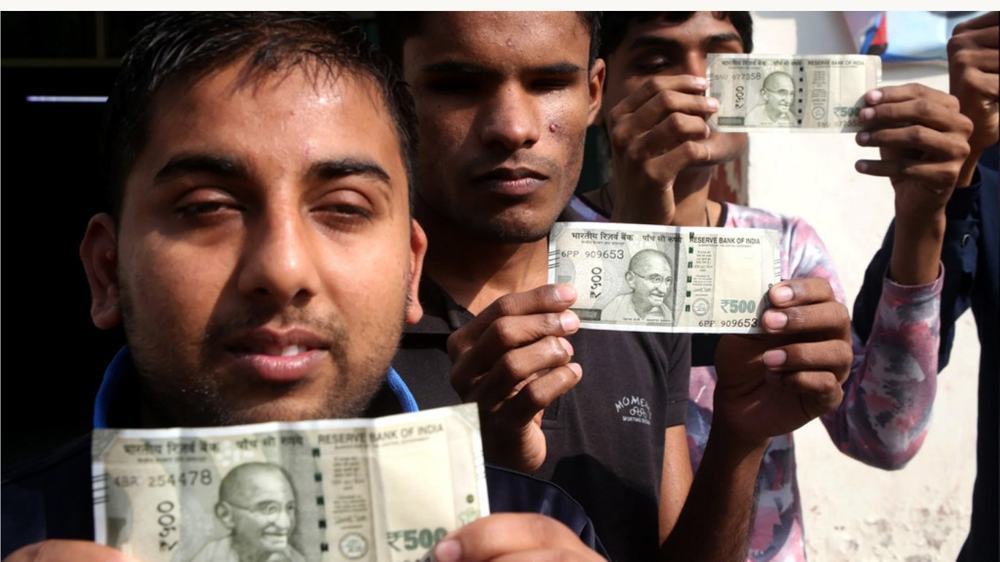 The Delhi High Court passed a Judgement that underscored the need for inclusive financial systems, observing that persons with visual impairments continue to face serious barriers in using currency and banking services. The Court asked RBI to ensure future currency series include accessibility features. Design isn’t only about futuristic tech — it’s about dignity in daily life. Inclusive currency means independence: being able to identify, count, and transact without help. By demanding accountability, the Court reminds us that good design is not a luxury — it’s a right in a developing nation. By demanding accountability, the Court reminds us that good design is not a luxury — it’s a right in a developing nation.
From Design Futures India DFI #003, 3 October 2025. Read the full edition →
-
Bihar man creates “LinkedIn” for daily wage workers
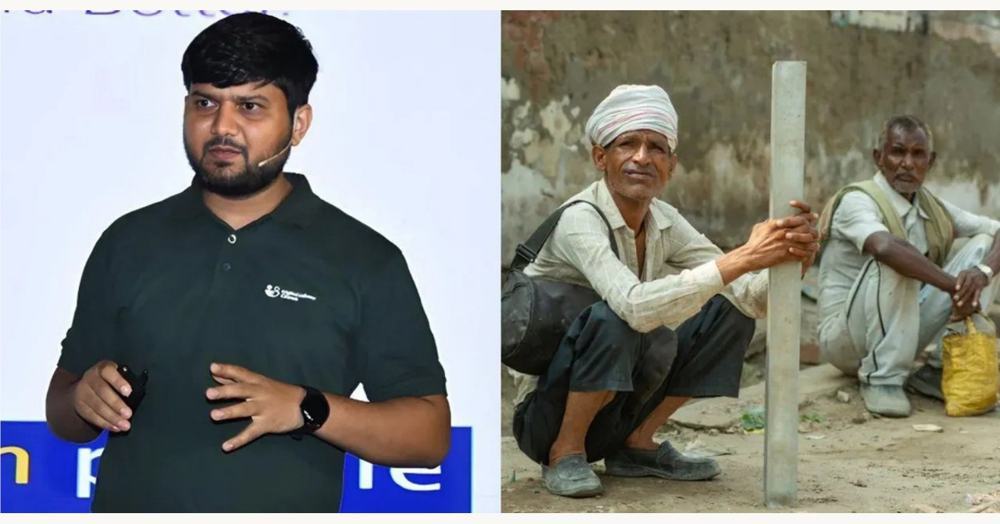 Chandrashekhar Mandal from Bihar has founded Digital Labour Chowk, an online platform that connects daily wage workers with employers — often dubbed India’s “LinkedIn for blue-collar jobs.” Over 1 lakh workers have used it to find steady work. In a country where millions of workers wait at chowks hoping for a day’s work, this platform is a redesign of dignity converting informal hiring into a structured, system. It shows how digital tools, when rooted in empathy, can shift power for underserved communities. For designers and strategists, it’s a reminder that real innovation often begins in the margins — solving problems others’ve ignored. For designers and strategists, it’s a reminder that real innovation often begins in the margins — solving problems others’ve ignored.
From Design Futures India DFI #003, 3 October 2025. Read the full edition →