Design Futures India · 29 May 2026
DFI #029
In this edition: A Cockroach is now India’s most-followed Political Icon; When a generation stops trusting the education system; India just introduced DigiPIN: when a place finally gets a name; and more.
-
A Cockroach is now India’s most-followed Political Icon
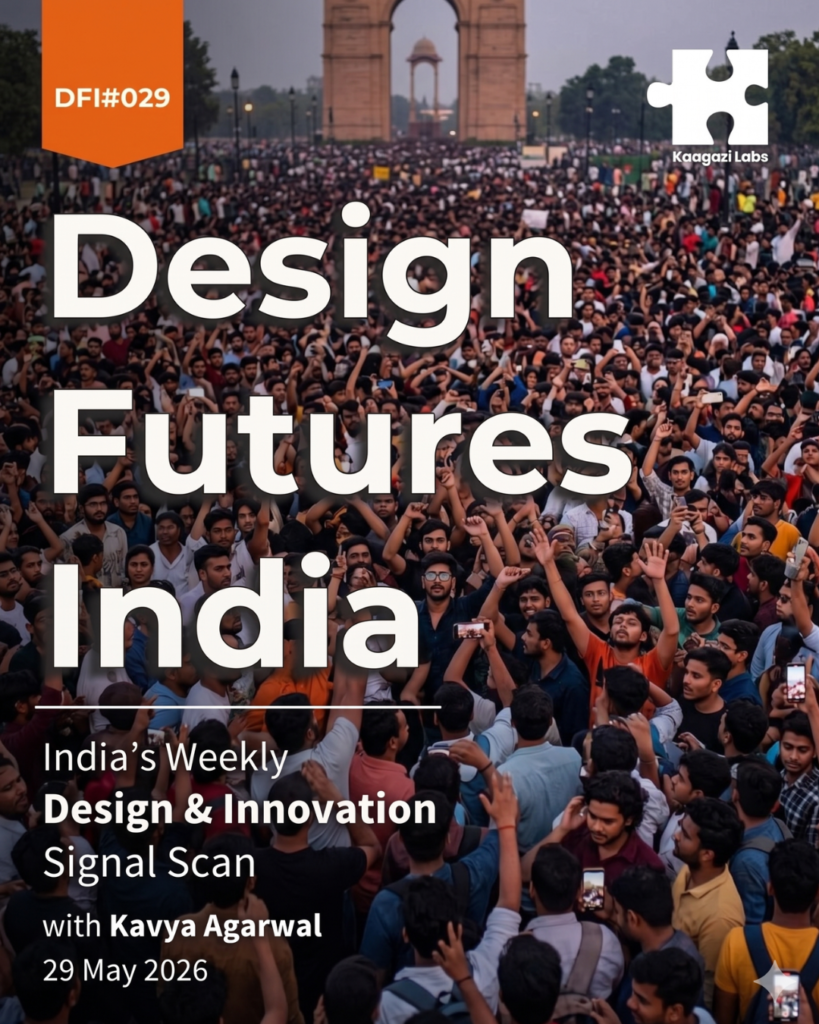
 On May 15, the Chief Justice of India reportedly called unemployed youth, activists and parts of the media “cockroaches” and “parasites.” Within a day, a political communications strategist Abhijeet Dipke turned the insult into a movement: the Cockroach Janta Party — a parody of the ruling party’s name. In a week, it crossed nearly 22 million Instagram followers, surpassing some of India’s oldest political factions and roughly doubling the government’s own audience. Strip away the meme News Source: CNN World and look at the structure. A generation took a word meant to diminish them — cockroach — and reassigned its meaning. The insult became a symbol of endurance.That reframing is a fundamental design move. When trust evades formal channels, Gen Z designed their own institution – a leaderless, meme-narrative, instantly scalable. As we wait to see how CJP scales, a YouTuber’s line nails it: a fake party’s popularity is a giant commentary on the real ones. As we wait to see how CJP scales, a YouTuber’s line nails it: a fake party’s popularity is a giant commentary on the real ones.
From Design Futures India DFI #029, 29 May 2026. Read the full edition →
-
When a generation stops trusting the education system
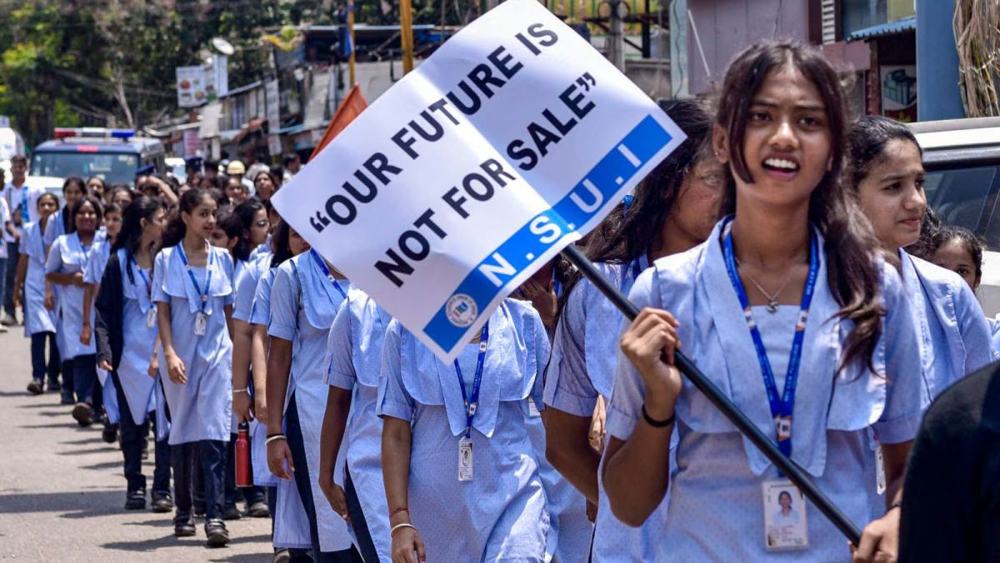 This fortnight, two of India’s biggest exams told the same story. NEET-UG — the only gateway for 22 lakh medical aspirants — was cancelled after a leaked paper matched the real one. Then CBSE’s Class 12 results unravelled: students got answersheets that weren’t theirs, a teen exposed security holes, and over 4 lakh students asked to see 11 lakh scanned scripts — nearly one in four demanding the board show its work. The flood of rechecks, and the suicides, mark the erosion of News Source: BBC public trust. What you may not know is that public trust is a designed system — the confidence that an institution behaves as built even when no one’s watching. When it empties, you don’t get apathy. You get a generation that grows up assuming the game is rigged. India is brilliant at building the first-order system and weak at the second-order trust layer around it. The question now for India is how it can reinstate trust in the public education system. The question now for India is how it can reinstate trust in the public education system.
From Design Futures India DFI #029, 29 May 2026. Read the full edition →
-
India just introduced DigiPIN: when a place finally gets a name
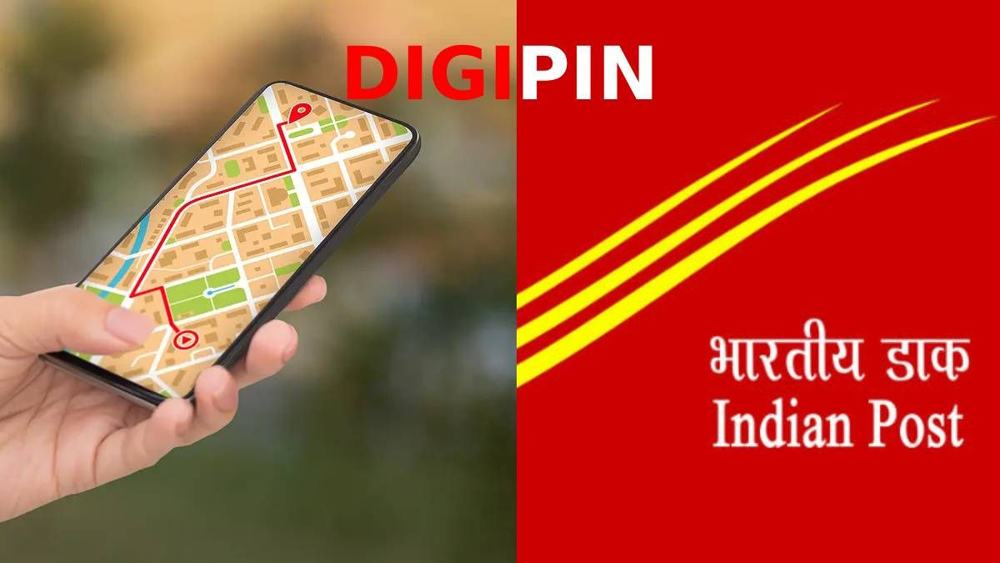 Finding a house in India still feels like a treasure hunt — long addresses, spelling errors, forms that slow every delivery and half our public services. DigiPIN is India’s answer to fixing this problem by design: it turns any location into a 10-digit code marking a 3.8metre square on the ground. small enough to share over a call, a text, or on paper. Built by the Department of Posts with IIT Hyderabad and ISRO’s NRSC, it is deliberately modest: not an . address, not an identity, just a place to pin. It helps plan routes, confirm shipments, and balance workload across sectors. But innovation knows its limits. GPS wanders a few metres in dense streets, the grid can’t tell a third floor from a ground floor, and someone on a basic phone may pin the wrong square without ever knowing. For now, DigiPIN marks a place without naming a person — and that restraint is the whole point. Let’s hope those guardrails hold. so we get both: fast service and privacy. News Source: Strat News Global News Source: Strat News Global
From Design Futures India DFI #029, 29 May 2026. Read the full edition →
-
NID inagurates new Incubation and Innovation Centre
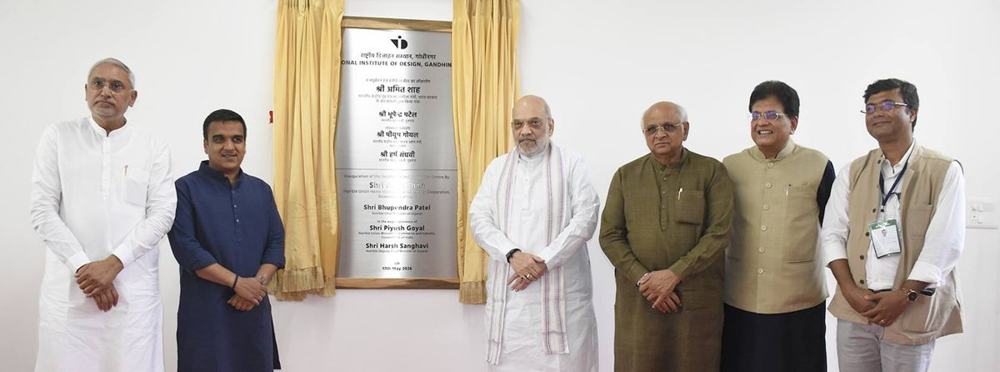 On 17 May, a new Incubation and Innovation Centre was inaugurated at the National Institute of Design in Gandhinagar by Union Home and Cooperation Minister Shri Amit Shah, in the presence of Union Commerce and Industry Minister Shri Piyush Goyal, Chief Minister Shri Bhupendra Patel and other dignitaries. After the inauguration, Shri Amit Shah also visited the Gandhinagar campus and said NID is the country’s leading institution that binds creativity, innovation and entrepreneurship. He stressed News Source: CMO Gujarat that design is not limited to art or attractive presentation — it is the science of improving public utility. That framing matters. When ministers call design a public utility and a driver of global competitiveness, it stops being a campus subject and becomes state strategy. The language is shifting — from “Make in India” to “Design in India, Design for the World.” It signals how the state now sees the design machinery: not a finishing layer on manufacturing, but the engine room — from chip to ship, packaging to public space.
From Design Futures India DFI #029, 29 May 2026. Read the full edition →
-
Is the Demography really a Dividend with no Employment?
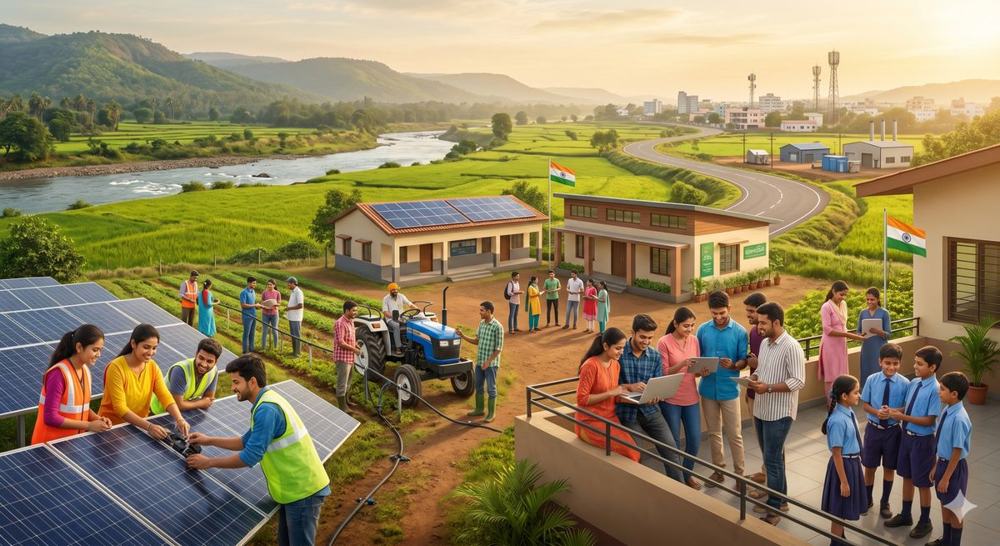 Azim Premji University’s State of Working India 2026 — a fourdecade study of how young Indians move from school to work — confirms what India’s youth already feels. India has 367 million people between 15 and 29, the most educated generation we have ever raised. More of them finish college than any generation before. But the path to a good life is steeper than ever. Each year, about five million graduates step out ready to work, and only 2.8 million find it. Unemployment runs near 40% for ages 15–25, and just 7% of young men land a permanent salaried job. The gap between education and employment keeps widening — institutes have grown to nearly 70,000 since liberalisation, yet quality stays uneven. Which brings us back to the question that won’t go away: what good is a demographic dividend when there are no jobs to hand it? News Source: SWI 2026, Azim Premji University News Source: SWI 2026, Azim Premji University
From Design Futures India DFI #029, 29 May 2026. Read the full edition →
-
AI in Digital Welfare Schemes: Help or a New Barrier?
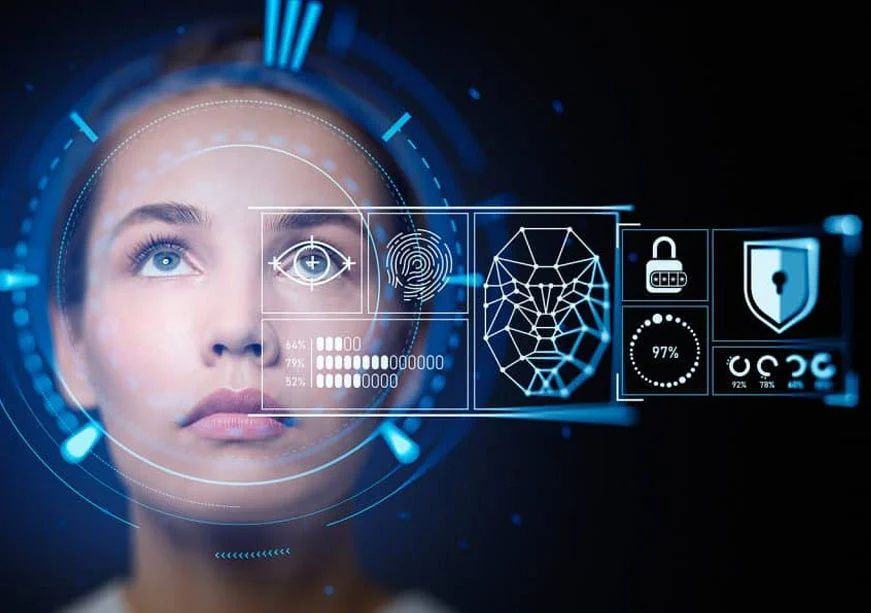 India’s digital welfare infrastructure is among the most ambitious governance projects in the world.The state today delivers subsidies, pensions, food support, healthcare, and employment benefits to millions of citizens through this digital system. In recent years, it has begun incorporating an AI tool which uses facial recognition as a new method for beneficiary verification. The promise is real: fewer ghost beneficiaries, less . fraud, no fumbling for documents. At the scale at which India operates its welfare programmes, even small leakages can impose high fiscal costs and weaken public trust in digital systems. The moral of the story is that India’s digital welfare should not become grounds for exclusion for those who are not adept with technology. A worn face, weak rural network, an old Aadhaar photo, darker skin the model reads poorly. Government data shows that only 52.7% of eligible beneficiaries received rations by the end of 2025. News Source: Observer Research Foundation News Source: Observer Research Foundation
From Design Futures India DFI #029, 29 May 2026. Read the full edition →
-
Digital Artisans of India Awards recognises innovation in craft
 The Digital Empowerment Foundation, Digikargha, and Creative Dignity have jointly announced the Digital Artisans of India Awards 2026, recognising Indian artisans and organisations that are harnessing digital tools to preserve traditional crafts, expand market reach, and build sustainable livelihoods. The application submission deadline is May 31, 2026. The initiative celebrates the intersection of India’s rich News Source: KNN India handloom and handicraft heritage with contemporary digital innovation. Eligible nominees include artisans and organisations that blend traditional craft techniques with technology; use digital platforms — including reels, e-commerce, the Open Network for Digital Commerce (ONDC), and artificial intelligence tools — to sell, showcase, and scale their work; empower fellow artisans through innovation; and build sustainable income streams from creative practice.
From Design Futures India DFI #029, 29 May 2026. Read the full edition →