Design Futures India · 24 October 2025
DFI #006
In this edition: India’s design future will be etched in silicon; CEED 2026 — Applications now open until October 31; Hyderabad Takes Flight — India’s New Aerospace Future; and more.
-
India’s design future will be etched in silicon
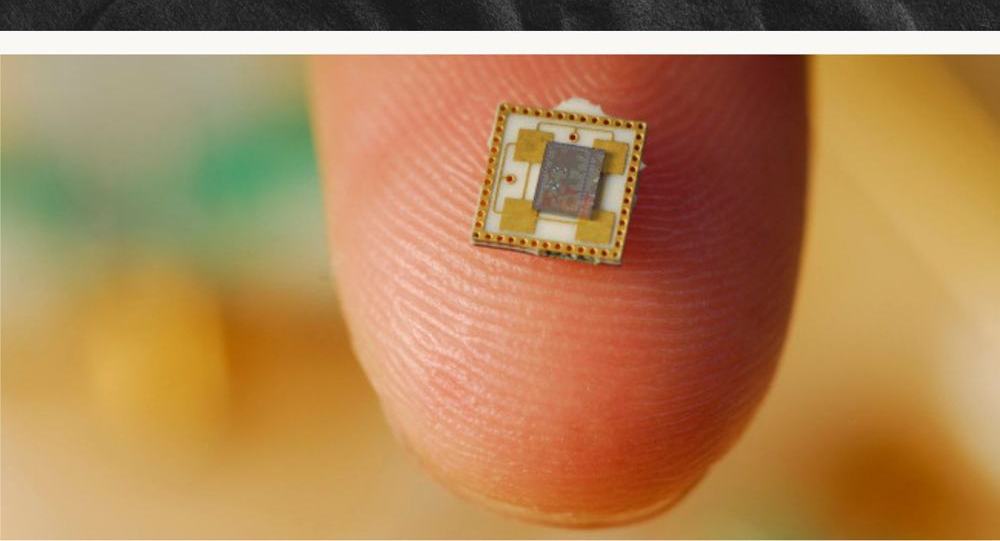 The Government of India has announced a bold initiative to design indigenous 7nanometre processors, marking the country’s entry into advanced semiconductor architecture.This effort sits alongside a broader $5.2 billion investment wave in AI and chip manufacturing, as India seeks to become a key node in the global innovation supply chain. For decades, design in India has meant product, interface, or service innovation. Now it extends to chip-level systems thinking. This convergence of AI and semiconductor design pushes Indian designers to think in new scales It also signals a new collaboration between engineers and designers: cocreating the invisible frameworks of the digital economy.
From Design Futures India DFI #006, 24 October 2025. Read the full edition →
-
CEED 2026 — Applications now open until October 31
 The Common Entrance Examination for Design (CEED) — conducted by IIT Bombay — remains India’s most important design gateway, determining admission to postgraduate design programmes across IITs, IIITs, and other premier institutes. Registrations for CEED 2026 are now open until October 31, with the exam scheduled for January 19, 2026. With each edition, the test evolves — from sketch-based aptitude to systems thinking, storytelling, and human-centred design. In recent years, the exam has placed increasing emphasis on creative reasoning, visual interpretation, and conceptual synthesis — skills that align with the multidisciplinary, creative & AI-infused design landscape emerging in India.
From Design Futures India DFI #006, 24 October 2025. Read the full edition →
-
Hyderabad Takes Flight — India’s New Aerospace Future
 Hyderabad is witnessing a surge of aerospace and defence innovation, driven by a growing ecosystem of startups, engineering institutes, and design-led manufacturers. According to Andhra Pradesh Congress president A. Revanth Reddy Bhatti, the region’s blend of research capacity, skilled labour, and public– private partnerships is positioning it as India’s next major aerospace innovation hub Hyderabad’s momentum represents how regional ecosystems can anchor national innovation strategies. For India’s design community, it’s a call to expand into aerospace systems, human factors, and industrial environments. For India’s design community, it’s a call to expand into aerospace systems, human factors, and industrial environments.
From Design Futures India DFI #006, 24 October 2025. Read the full edition →
-
IIT Hyd Designs 6G Future — India Targets 2030 Rollout
 IIT Hyderabad, a key member of India’s 6G Mission, has unveiled functional prototypes of nextgeneration communication systems, marking a milestone toward India’s 2030 rollout target. The research includes terahertz transceivers, reconfigurable intelligent surfaces, and AI-powered network optimisation — technologies that will define how people, cities, and industries connect in the next decade. Unlike previous generations, India’s 6G journey is designed indigenously, with IIT-H leading design, testing, and policy with the Department of Telecom. For India’s design community, this redefines what it means to “design for billions” — it now includes designing the networks. For India’s design community, this redefines what it means to “design for billions” — it now includes designing the networks.
From Design Futures India DFI #006, 24 October 2025. Read the full edition →
-
Innovation Meets Diplomacy — By Design
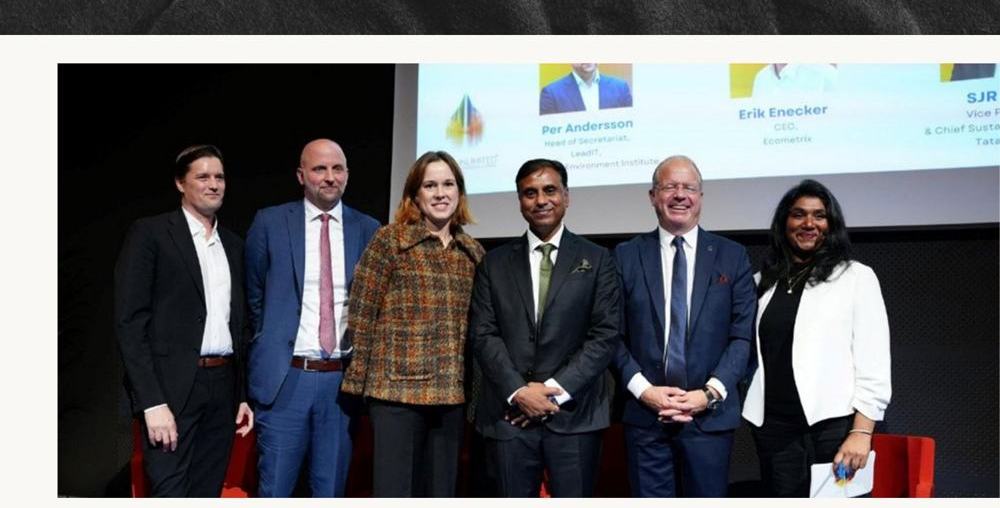 At the 12th edition of India– Sweden Innovation Day, held in Stockholm and virtually across both countries, leaders came together to shape a shared sustainability roadmap for 2025 and beyond. Themed “Driving Real-World Impact and Progress Ahead of COP30,” the collaboration builds on the India–Sweden Green Transition Partnership, linking policy, startups, and design-driven enterprises to co-create scalable climate solutions. This partnership reframes sustainability as a design system — one that touches products, policies, and daily lives. For India’s design community, it signals a shift toward global circularity thinking, where design education, product development, and policy align for long-term resilience.
From Design Futures India DFI #006, 24 October 2025. Read the full edition →
-
Ratan Tata Hub Backs Andhra’s Young Innovators
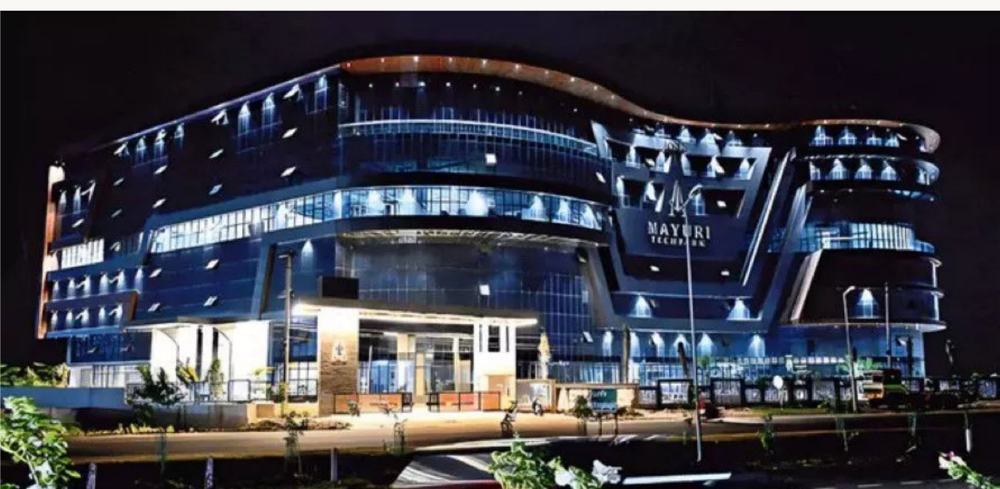 The Ratan Tata Innovation Hub (RTIH) has rolled out a 6week “Future Founders” preincubation programme across Andhra Pradesh, aiming to nurture young innovators and local entrepreneurs in design, sustainability, and problemsolving. Participants will receive hands-on mentorship in business model design, product development, and storytelling for impact — essential building blocks of innovation literacy. RTIH’s approach is bottom-up: bringing creative infrastructure, design mentorship, and access to funding opportunities directly to tier-2 and tier-3 towns. By nurturing design-driven entrepreneurship at the grassroots, India isn’t just expanding who innovates it’s redefining where innovation begins. By nurturing design-driven entrepreneurship at the grassroots, India isn’t just expanding who innovates it’s redefining where innovation begins.
From Design Futures India DFI #006, 24 October 2025. Read the full edition →
-
When a Tree Becomes Design Infrastructure
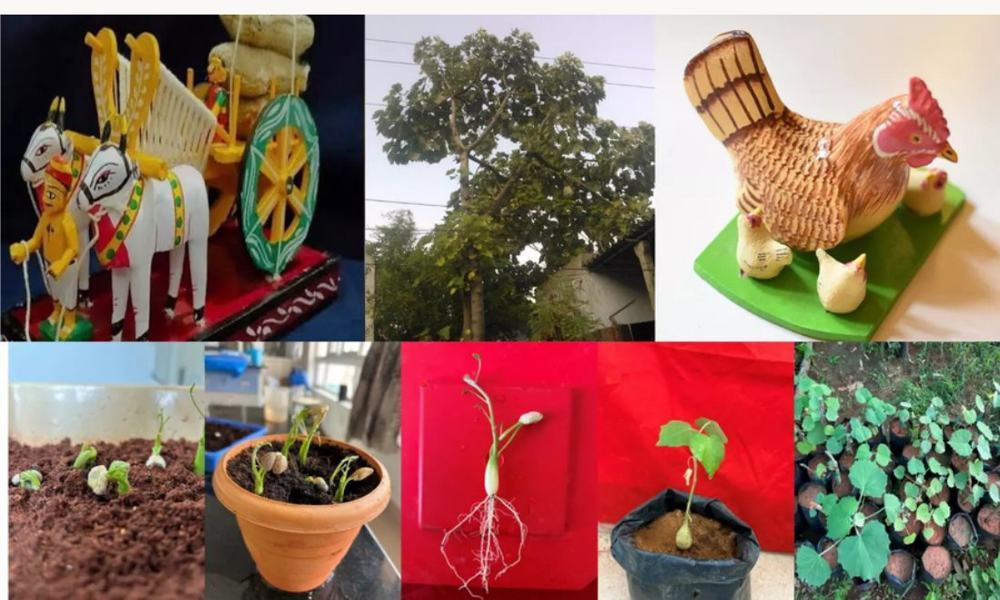 In a significant breakthrough for craft and heritage, scientists at the Forest College & Research Institute (FCRI), Mulugu, have developed a new germination technique for the Poniki tree (scientific name: Givotiarottleriformis) — the traditional wood used for the lacquered toys and figurines of Nirmal, Telangana. The team, led by research scholar Maloth Mounika achieved 75–80% germination rates, overcoming a seed coat barrier that long hampered regeneration. This story brings together materials science, craft heritage, regional economies, and sustainability. When we design for the future of craft, we’re designing for continuity — of materials, ecosystems, and the hands that keep them alive. When we design for the future of craft, we’re designing for continuity — of materials, ecosystems, and the hands that keep them alive.
From Design Futures India DFI #006, 24 October 2025. Read the full edition →
-
The Storyteller lives on — Remembering Piyush Pandey
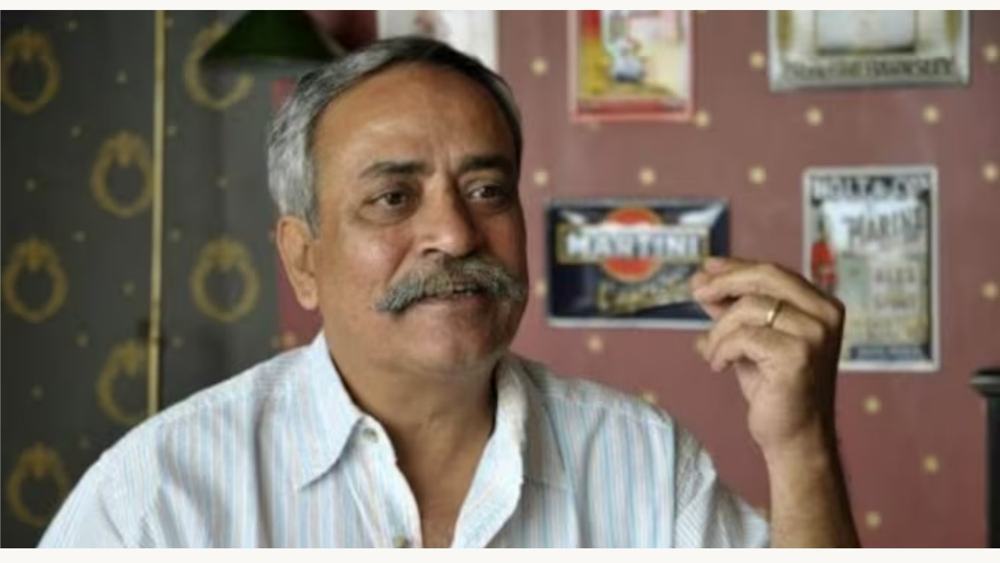 Piyush Pandey, the creative force behind Ogilvy India, didn’t just redefine advertising — he redefined how India spoke to itself. From Cadbury’s joy to Fevicol’s wit, his work wasn’t marketing; it was emotion in motion. He taught generations that design is a language — that India’s most powerful ideas are born from empathy, humour, and everyday life. andey’s legacy lives at the intersection of communication, culture, and human truth. As India enters the era of AI storytelling, his passing reminds us that the stories rooted in culture don’t fade — they endure, evolve, and keep us connected to who we are.
From Design Futures India DFI #006, 24 October 2025. Read the full edition →