Design Futures India · 31 October 2025
DFI #007
In this edition: OpenAI makes ChatGPT Go Free for a Year in India; The new face of Indian Space: XDLINX Rewrites the Playbook; Delhi Drafts Policy to Become India’s AVGC-XR Hub; and more.
-
OpenAI makes ChatGPT Go Free for a Year in India
 OpenAI seems to have understood two truths about India — that the future of AI adoption begins here, and that Indians love a good freebie. In a strategic move that blends business foresight with cultural intuition, OpenAI has announced that ChatGPT will be free for all Indian users for one year starting Nov 4. The decision marks OpenAI’s most direct investment in India’s rapidly growing AI ecosystem — one driven by personalised learning and frugal innovation. It signals a new era of democratized learning putting creativity and knowledge at the fingertips of innovators across India. It signals a new era of democratized learning putting creativity and knowledge at the fingertips of innovators across India.
From Design Futures India DFI #007, 31 October 2025. Read the full edition →
-
The new face of Indian Space: XDLINX Rewrites the Playbook
 Hyderabad-based XDLINX Space Labs, led by engineer and founder Rupesh Gandupalli, is reimagining how India builds satellites — compact, modular, and 75% indigenously designed. The company’s latest designs promise lighter, more costeffective spacecraft that can serve both commercial and scientific missions without depending on foreign components. By integrating design thinking with aerospace engineering, they’re treating satellites as ecosystems, not just hardware — signalling a new era of Swadeshi innovation in India’s space story.
From Design Futures India DFI #007, 31 October 2025. Read the full edition →
-
Delhi Drafts Policy to Become India’s AVGC-XR Hub
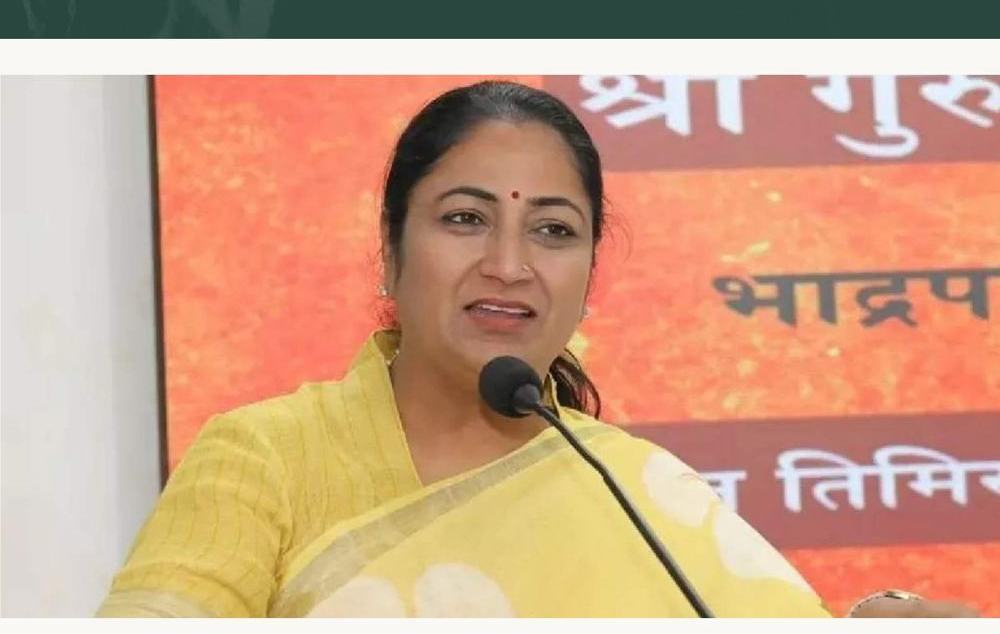 The Delhi government has drafted a policy to position the capital as India’s leading hub for animation, VFX, gaming, and comics (AVGCXR) industries. The policy aims to create a full-stack creative economy — from design training institutes and incubators to dedicated XR labs and production clusters. When India’s capital city bets on creativity, it’s more than policy — it’s a signal. India’s next growth story won’t just be made in factories, but in studios, startups, and code labs where storytelling meets technology and artistry meets code. India’s next growth story won’t just be made in factories, but in studios, startups, and code labs where storytelling meets technology and artistry meets code.
From Design Futures India DFI #007, 31 October 2025. Read the full edition →
-
India’s Research Future — Gets a ₹1,000 Crore Leap
 On 24 October 2025, the India Rising Foundation announced a ₹1,000 crore R&D fund to support up to one million researchers and innovators across 12 domains — from medicine and deep tech to space, defence, and sustainable energy — with a focus on blending traditional wisdom and modern science. While application details are awaited, the programme will include online certification, open-access labs, and a strong push for grassroots talent. Interested designers and innovators can watch the India Rising Foundation site and social channels for updates. Interested designers and innovators can watch the India Rising Foundation site and social channels for updates.
From Design Futures India DFI #007, 31 October 2025. Read the full edition →
-
Anant National University is reimagining design education
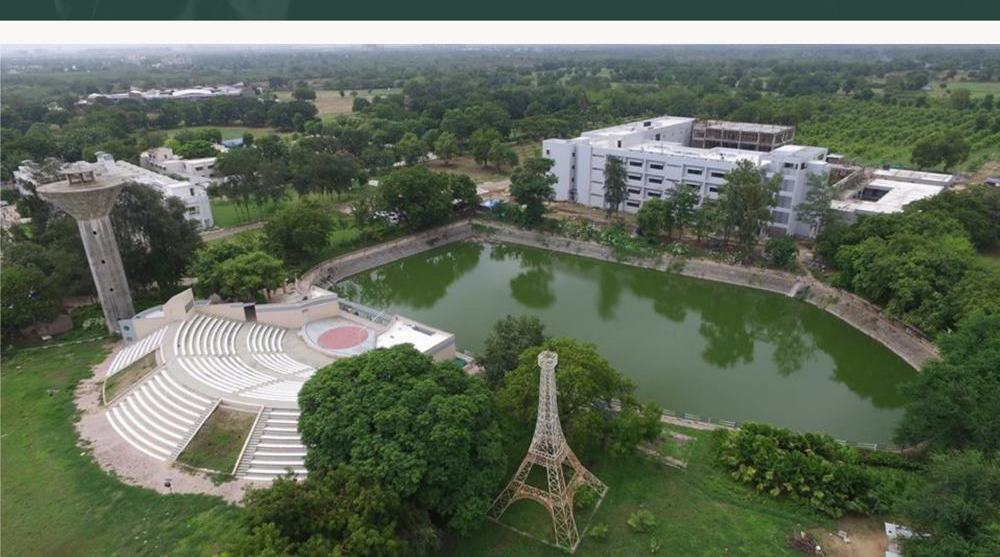 Anant National University, India’s first DesignX university in Ahmedabad, has launched a Collaborative Studio to redefine how design is taught and practiced. Bringing together global educators, researchers, and industry experts, it will prototype new models for future-focused, interdisciplinary learning. The studio serves as a testing ground for hands-on projects, marking a shift from instruction to experimentation. As design expands into social systems, innovation, and governance, initiatives like this prepare students not just for jobs — but for designing India’s future. As design expands into social systems, innovation, and governance, initiatives like this prepare students not just for jobs — but for designing India’s future.
From Design Futures India DFI #007, 31 October 2025. Read the full edition →
-
India’s Grassroots Blueprint for Regeneration
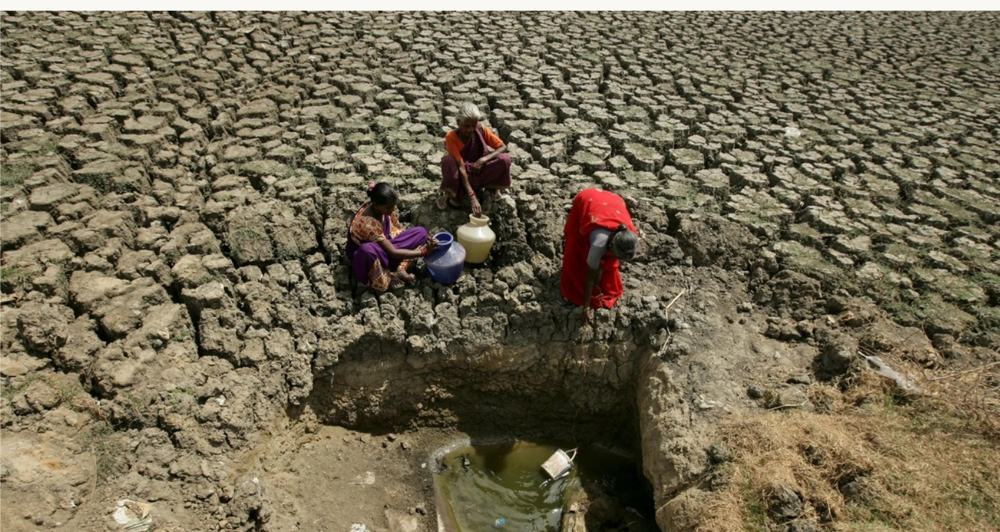 Across India’s drought-prone regions, a quiet design revolution is unfolding. Villagers, ecologists, and local innovators are reviving groundwater, restoring catchments, and rebuilding their relationship with water. Documented in India Water Portal’s “Water is Love: Ripples of Regeneration,” these are not top-down engineering fixes — but community-designed systems of care that treat water as a living network. This story reframes design as regeneration, not construction — proof that India’s next wave of innovation may rise not from labs, but from villages designing their own resilience.
From Design Futures India DFI #007, 31 October 2025. Read the full edition →
-
IIM Nagpur x UNICEF reimagine nutrition through design
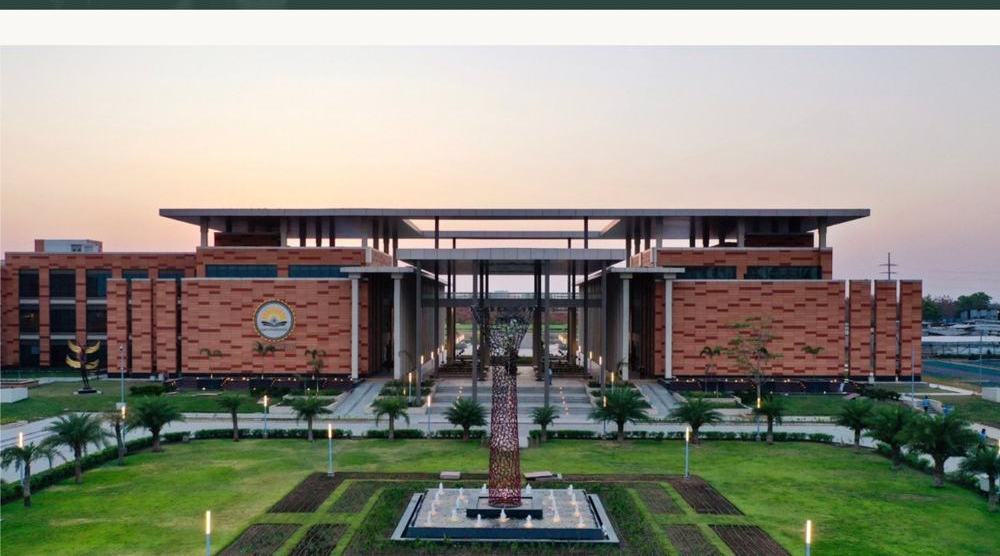 The Indian Institute of Management (IIM) Nagpur, in partnership with UNICEF, has launched ‘Yukti – Nutrition Nirmaan,’ a national case competition inviting students to apply design thinking and strategic innovation to India’s malnutrition challenge. The initiative encourages participants to design scalable, community-driven solutions around accessibility, behaviour change, and technology integration in nutrition systems. This initiative bridges education and nation-building -signalling that India’s education ecosystem is evolving from project-based learning to system-based problemsolving. This initiative bridges education and nation-building -signalling that India’s education ecosystem is evolving from project-based learning to system-based problemsolving.
From Design Futures India DFI #007, 31 October 2025. Read the full edition →