Design Futures India · 9 January 2026
DFI #015
In this edition: Is pollution stealing Delhi’s cultural capital & soft power?; Lucknow Darshan launched to revive inclusive tourism; Haryana Tests AI for Better Governance; and more.
-
Is pollution stealing Delhi’s cultural capital & soft power?
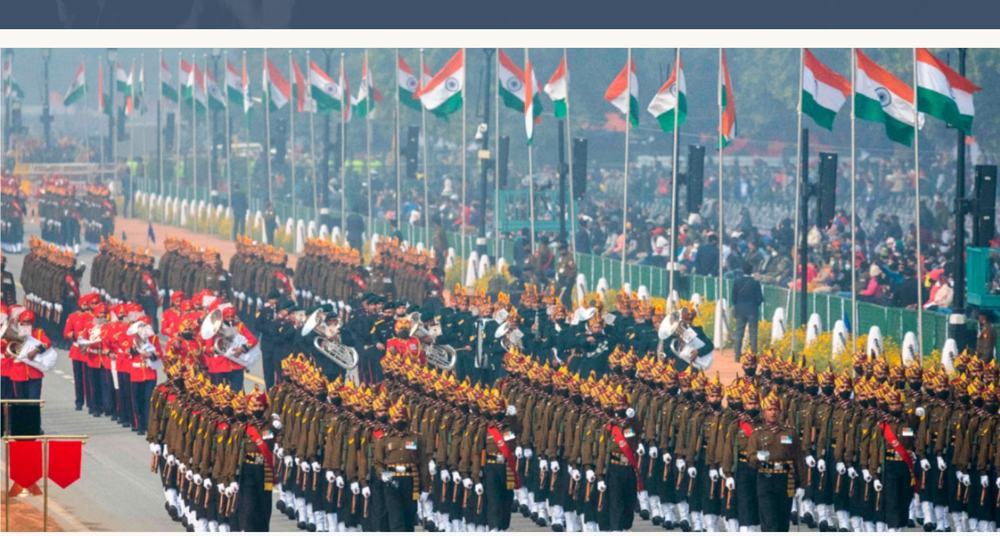 Every January, Delhi briefly feels like a shared city again. The calendar fills up with the World Book Fair, Melas, Crafts haats, Music performances, and neighbourhood festivals that draw families, students, artisans, and first-time visitors into public spaces. These events are not just cultural programming; they are civic rituals that make the city welcoming, and participatory after a long year of routine and strain. For India’s design and governance ecosystem, it creates low-cost access to learning, memory, and leisure in a city where private spaces dominate. Yet participation remains uneven, shaped quietly by weather, health advisories, and air quality. The future question is simple: can Indian cities sustain open, inclusive public culture without making it conditional on who can afford to step outside? The future question is simple: can Indian cities sustain open, inclusive public culture without making it conditional on who can afford to step outside?
From Design Futures India DFI #015, 9 January 2026. Read the full edition →
-
Lucknow Darshan launched to revive inclusive tourism
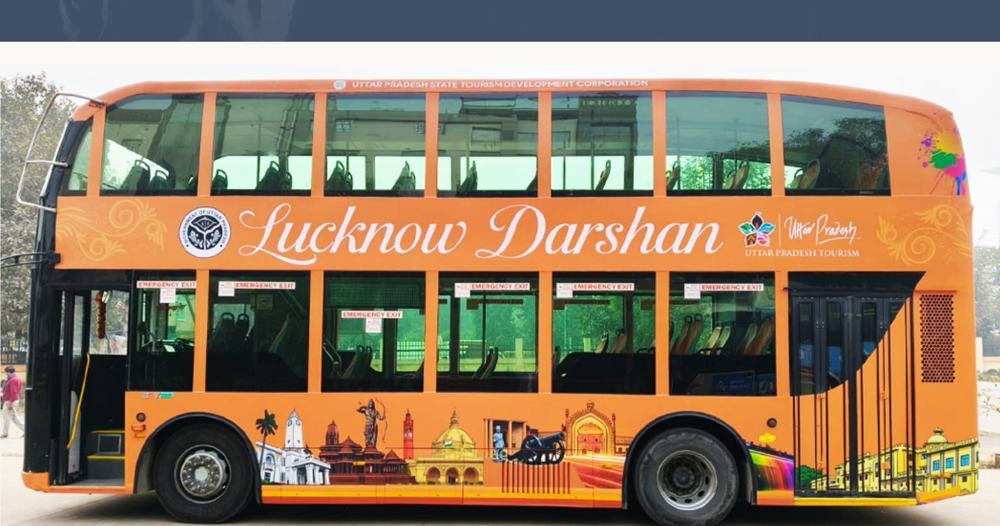 Lucknow has launched the Lucknow Darshan electric doubledecker bus service, designed as a city tour that connects heritage sites while foregrounding safety, accessibility, and clean mobility. The service aims to make tourism less fragmented and more inclusive, especially for families, women, and first-time visitors, by offering a structured, pollutionfree way to experience the city’s historical core. For India this matters because it reframes tourism as public service design rather than private consumption. A city tour bus becomes a moving civic space where safety features, route choices, pricing, and reliability shape who feels welcome in public life. If sustained, such models allow cities to tell their stories through everyday participation, preserving heritage as a living form of cultural intelligence. If sustained, such models allow cities to tell their stories through everyday participation, preserving heritage as a living form of cultural intelligence.
From Design Futures India DFI #015, 9 January 2026. Read the full edition →
-
Haryana Tests AI for Better Governance
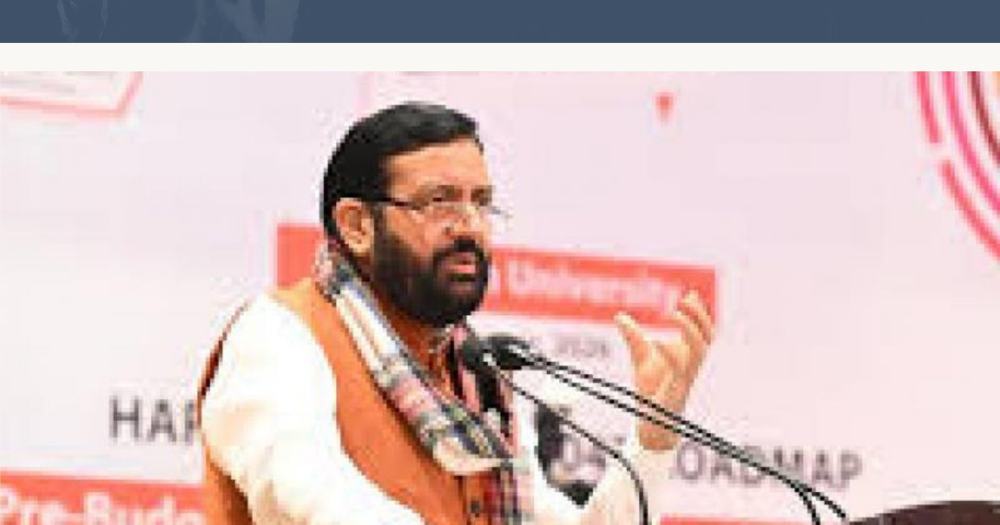 Haryana has launched an AIpowered citizen participation portal to make state budgeting more inclusive. Chief Minister Nayab Singh Saini unveiled the “Haryana Budget Janbhagidari” platform during a pre-budget session in Gurugram, inviting residents to submit suggestions in Haryanvi, Hindi, or English ahead of the 2026 budget. The portal uses artificial intelligence to process inputs from citizens citizens, experts, and stakeholders, aiming to strengthen transparency, dialogue, and participatory governance as part of the state’s Vision 2047 roadmap. This design choice—support for local languages and AI-assisted feedback—lowers barriers for wider public engagement in policy design and helps surface grassroots priorities into formal budget planning.
From Design Futures India DFI #015, 9 January 2026. Read the full edition →
-
India Reframes the Global AI Conversation
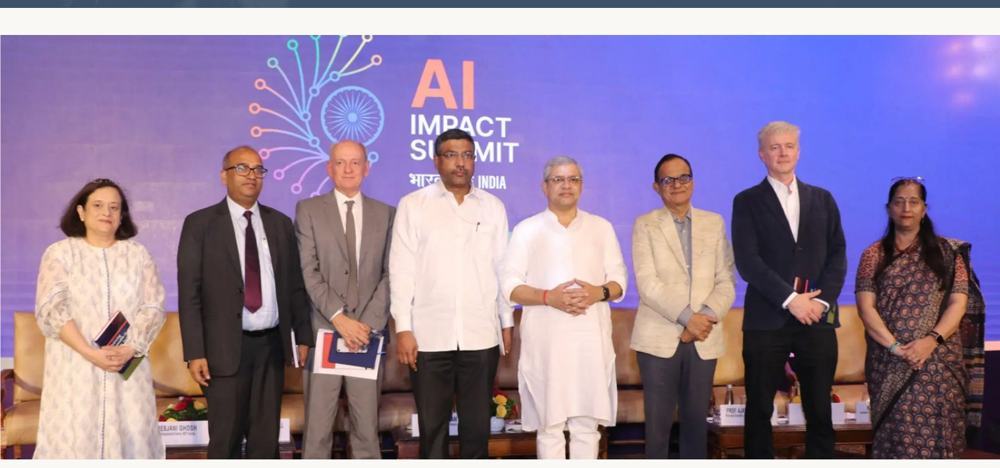 India is hosting the India AI Impact Summit 2026, a global gathering in New Delhi on 19–20 February 2026, under the IndiaAI Mission led by the Ministry of Electronics and Information Technology. The Summit aims to amplify AI’s positive impact across society and economies by bringing together policymakers, technologists, researchers, and global stakeholders to shape inclusive, ethical, and practical AI strategies. Positioned as a platform for collaboration on human capital, inclusive growth, safe and trusted AI, and AI for social good, the event includes pre-summit consultations, research symposia, and global challenges to connect solutions with real needs. By centering democratized access and impact-oriented discourse, India seeks to lead a Global South agenda for AI that delivers human-centered benefits. By centering democratized access and impact-oriented discourse, India seeks to lead a Global South agenda for AI that delivers human-centered benefits.
From Design Futures India DFI #015, 9 January 2026. Read the full edition →
-
High-Speed Rail, Finally Made in India
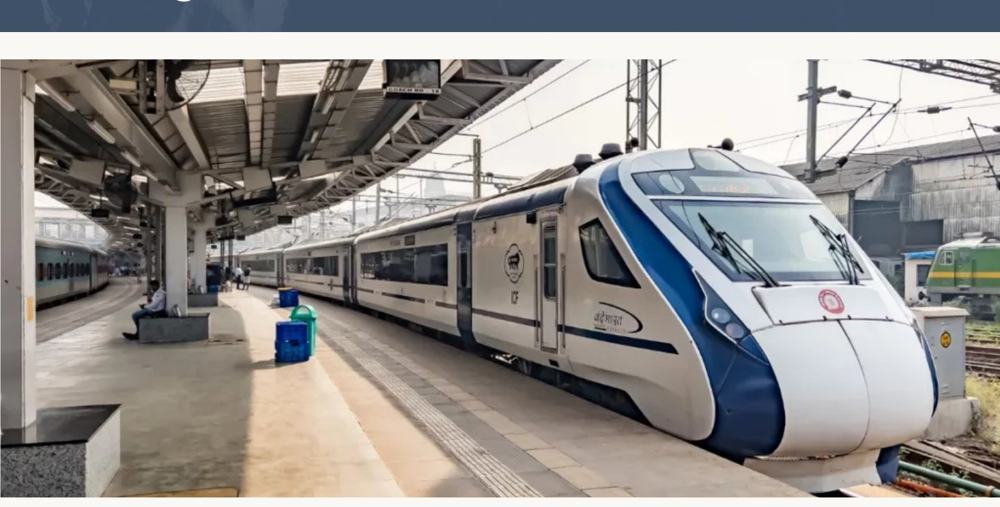 India is preparing to begin manufacturing its first indigenously designed highspeed train, marking a major step beyond semi-high-speed services like Vande Bharat. The design phase led by a consortium of BEML and Medha under contract from the Integral Coach Factory (ICF) is nearing completion, and production is expected to start as early as April–June 2026. The trainsets are being built for an operational speed of around 250 km/h, with prototypes targeted for rollout by December 2026 and commercial services likely by 2027 on the Mumbai– Ahmedabad high-speed rail corridor. The project involves detailed component design work (carbody, bogies, suspension, TCMS, signalling) and is intended to move India from importing high-speed sets to building them at home.
From Design Futures India DFI #015, 9 January 2026. Read the full edition →
-
India Begins Cleaning Up Sport Governance
 India has taken a slow but significant step towards reforming how sport is run. From January 1, 2026, parts of the National Sports Governance Act come into force, introducing basic design rules for accountability in Indian sport: age caps, cooling-off periods, athlete representation, and term limits for office bearers. This isn’t a performance upgrade. It’s a governance fix. For decades, Indian sport has been shaped by opaque federations, inherited power, and zero consequences for failure. The Act attempts to redesign the system itself treating sports bodies as public institutions. What’s partial today is still foundational. If enforced well, this framework could shift Indian sport from personality-driven control to rule-based stewardship where athletes, finally sit at the centre of decision-making.
From Design Futures India DFI #015, 9 January 2026. Read the full edition →