Design Futures India · 17 July 2026
DFI #035
In this edition: Sonam Wangchuk and his design canvas; Semicon 2.0: India bets on chip design economy; The fuel India was not ready for; and more.
-
Sonam Wangchuk and his design canvas
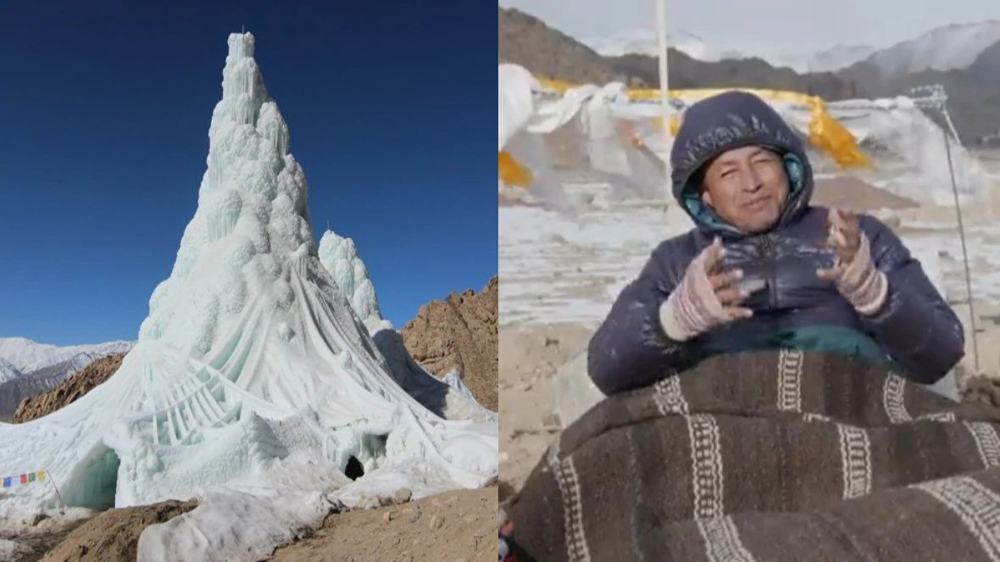
Sonam Wangchuk is the closest thing India has to a designer whose canvas is a whole nation. He is a mechanical engineer from Ladakh who went to France to learn how to build with earth. He is the founding-director of SECMOL, which was founded by a group of students who had been the ‘victims’ of an alien education system foisted on Ladakh. He looked at the real problems in front of him, cold, water, failing schools, and designed his way out of each one. His school buildings stay warm in winter without heaters. His most famous invention, the Ice Stupa, is an artificial glacier which freezes wasted winter stream water into a cone of ice, then lets it melt exactly when farmers need it. The thread through all of it is the same. Wangchuk treats design as a device, not decoration. That is also why he is now on a hunger strike over the exam system. The instinct hasnt changed. Sonam does not wait for things to fix itself. He designs, or demands for something better.
News Source: Wikipedia
From Design Futures India DFI #035, 17 July 2026. Read the full edition →
-
Semicon 2.0: India bets on chip design economy

India has cleared a large new plan for making chips and phones, worth around ₹1.27 lakh crore. The headline number is not the interesting part. What matters is where the money now points. Earlier support went mostly to factories that fabricate chips. This time a big share backs chip design and intellectual property, the blueprints behind the hardware, through grants and even equity. India already designs advanced chips here. It just does not manufacture them yet. There is a second interesting shift too. The government plans to take a royalty from some of the firms it funds. That turns the state into something closer to an investor than a donor. It is a bet that owning the design is far more valuable, and more within reach, than owning every factory. A sharp reminder that in technology, the lasting value often sits with design, not the assembly line. Is India finally building to own the blueprint, not just the manufacturing?
News Source: Press Information Bureau
From Design Futures India DFI #035, 17 July 2026. Read the full edition →
-
The fuel India was not ready for

Petrol in India now comes with 20 percent ethanol mixed in. It is called E20, and it is meant to cut oil imports and pollution. Those are great goals. The catch is the rollout. E20 quietly became the only fuel at nearly 90,000 stations, years ahead of the original plan. But millions of cars and bikes sold before 2023 were never designed for it. Their owners report lower mileage, and rubber fuel parts that wear out faster over time. The change came without any major announcement, the signage across petrol pumps is uneven and hardly read. The government brands E20 as a milestone for clean energy but the critics say that the change came too fast and no choice. India’s own 2021 roadmap had suggested keeping the older fuel available as a safety net for these cars. The pace overtook the plan. This tells us that a good goal can still be badly designed esp. if no one is thinking of the design and deployment. The question now is who ends up paying for bad design ?
News Source: Al Jazeera
From Design Futures India DFI #035, 17 July 2026. Read the full edition →
-
Delhi HC orders accessibilty upgrades in Zee5 app

In July, a court in Delhi told the streaming app ZEE5 to fix something it should have fixed years ago. A blind person tried to watch the FIFA World Cup on the app and could not. The buttons had no labels, so his screen reader could not read them aloud. Even buying a subscription needed another person’s help. India has had a law since 2016 requiring digital services to be usable by persons with disabilities, and a national standard to match. Most streaming platforms have ignored both, betting no one would enforce them. This is the first time a court has forced an Indian OTT platform to comply, and the ruling could reach every app after it. Around 350 million Indians live with a disability. Accessibility was never a missing feature. It was a choice about who the app was built for. When a product works for some people and not others, that is a design decision, not an accident. Who gets left out of the things you use every day?
News Source: Delhi High Court via SCC online
From Design Futures India DFI #035, 17 July 2026. Read the full edition →
-
How free buses could become a climate lever?
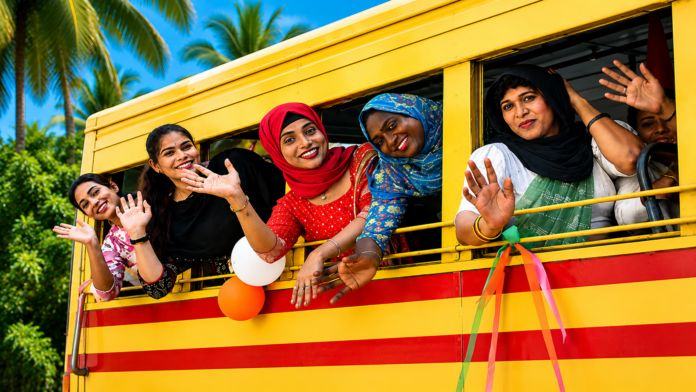
When Kerala made its ordinary state buses free for women and transgender riders in June, it looked like a welfare scheme. Look closer and there is an ecology story inside it. In the first month, the scheme logged 3.81 crore free journeys. Daily women riders on ordinary services nearly doubled, from 6.48 lakh to 12.12 lakh. Total daily ridership rose about 29 percent, roughly 5.5 lakh more people every day. Here is the key detail: the corporation carried them all on its existing fleet. Same buses, far more people. A full bus is one of the most efficient ways to move a person. Making it free filled the seats. If those journeys replace scooters, cars and autos, that means fewer private vehicles and less fuel burned for the same trips. The cheapest option quietly became the greener one. You rarely change behaviour by lecturing. You change it by redesigning what is easiest and cheapest. The real question: are these new trips, or trips pulled off private vehicles?
News Source: IANS
From Design Futures India DFI #035, 17 July 2026. Read the full edition →
-
Your face has a copyright, but only if you are famous
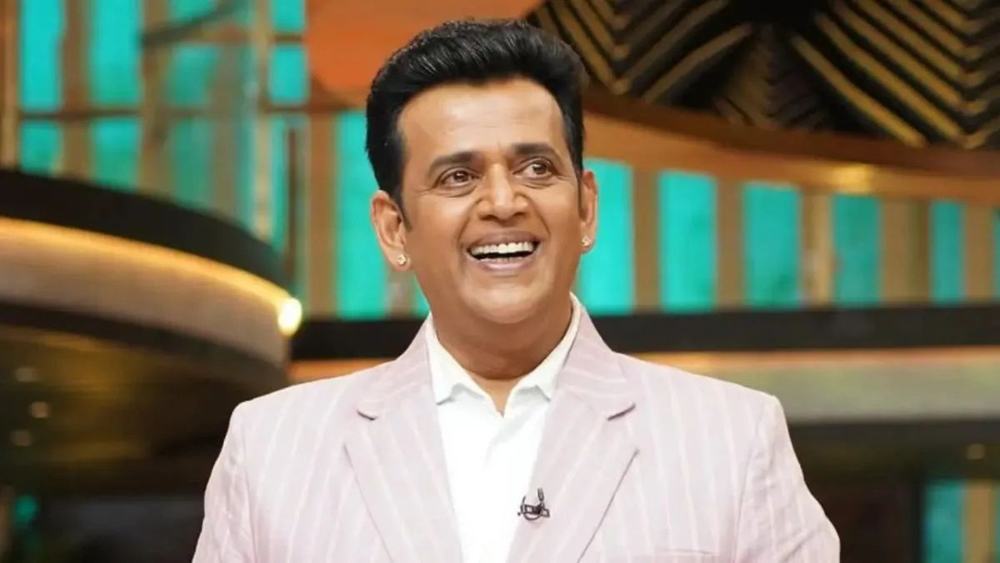
In a matter concerning the protection of the celebrity personality rights of actor and Member of Parliament Ravi Kishan against unauthorised online exploitation. The Court restrained the unauthorised use and commercial exploitation of actor’s name, image, likeness, voice, and other personality attributes. Recognising the increasing misuse of celebrity identities through artificial intelligence and digital platforms. Platforms like Google, Meta and X are r told to pull the fake content down within days. However, the catch is that you need fame, lawyers and a public image worth defending to use it. An ordinary person whose face is cloned into a scam or a fake video has no such button to press. The same technology threatens everyone. The protection reaches only a few. A system that guards some identities and not others is still a design. Whose face does the law think is worth protecting, and whose is not?
News Source: Delhi High Court via SCC online
From Design Futures India DFI #035, 17 July 2026. Read the full edition →
-
Are bus stops built for commute or advertisement?

Stand at a bus shelter in Chennai and look at what it was really built for. Many such shelters are funded by advertisers, who get the space in return for putting up their panels. So the ad board is large, bright and well lit. The shade is thin. The seat is often broken, or fixed so high that older people have to jump to reach it. Ramps for wheelchairs are usually missing. The city has over 1,400 bus shelters run under a mix of models, and commuters often cannot even tell who is responsible for a broken one. The design served the advertiser who pays, not the person waiting in the sun. This is how a lot of public design fails. Not through one big mistake, but through many small choices about who pays and who the space is really for. This might not be just chennai’s story but that of every broken public infrastructure with big advertisements. Everyday design quietly decides who a public space belongs to. Who is your city’s infrastructure actually built for?
News Source: Citizen Matters
From Design Futures India DFI #035, 17 July 2026. Read the full edition →