Design Futures India · 5 December 2025
DFI #011
In this edition: India finalises its space station design; MeitY Launches e-Toys Lab to Build India’s Learning Future; Echoes of the Earth 2025, festival as a design experiment; and more.
-
India finalises its space station design
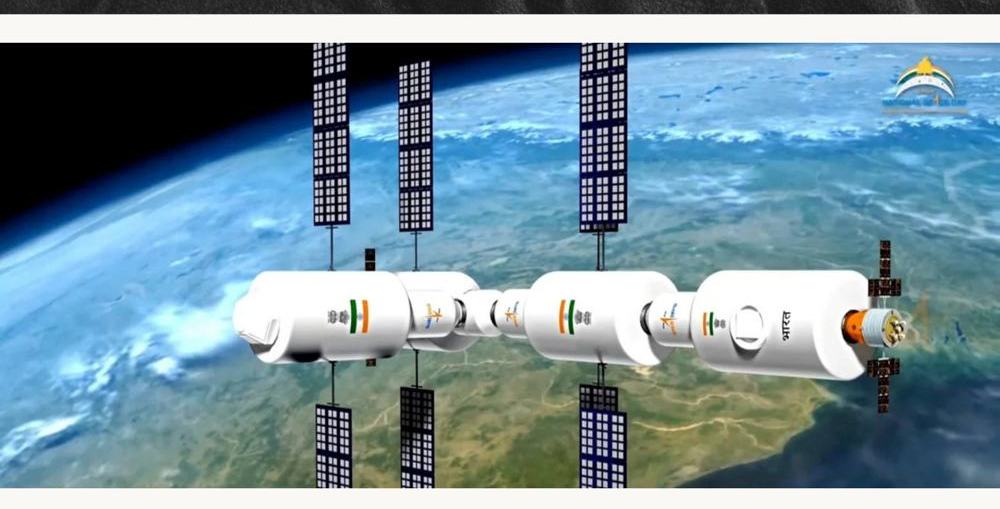 ISRO has completed the configuration design for the Bharatiya Antariksh Station, India’s first indigenous space station, targeted for launch in 2035. This marks a major milestone in the country’s longterm human spaceflight mission.A space station is one of the most complex design challenges imaginable — combining habitat design, life- support systems, modular engineering, safety architecture, and human factors in extreme environments. India isn’t just participating in space exploration; it’s designing for it. For students, researchers, and designers, it opens a frontier where materials, ergonomics, UI for mission control, product design for zero-gravity, and systems thinking all converge.
From Design Futures India DFI #011, 5 December 2025. Read the full edition →
-
MeitY Launches e-Toys Lab to Build India’s Learning Future
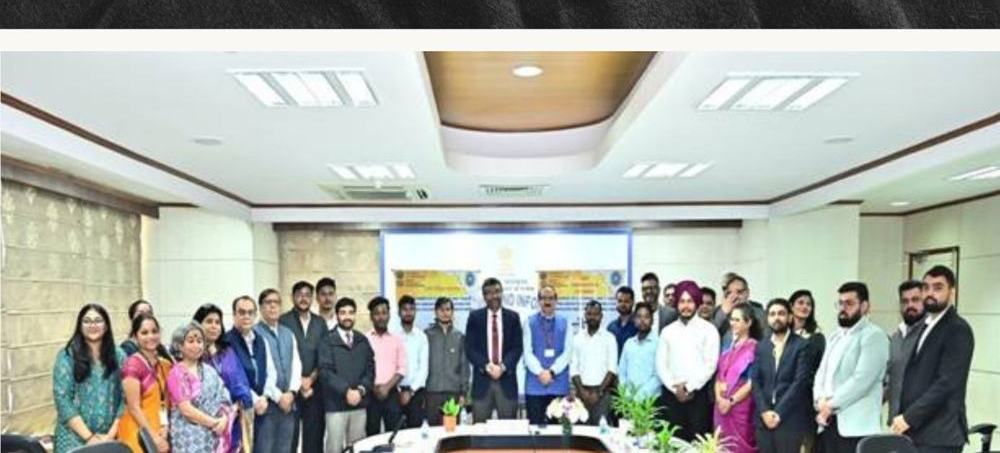 The Ministry of Electronics and Information Technology has launched an e-Toys Lab to support the design and development of safe, culturally relevant and affordable digital toys for children. The initiative will help Indian innovators create learning tools that blend play, technology and early problem solving. It also aims to reduce dependence on imported toys and strengthen local manufacturing and design capability. This matters for India because play is an early gateway into creativity, spatial understanding and imagination. By treating toys as part of the digital public infrastructure, the government is recognising them as tools for learning and not just entertainment. The e-Toys Lab signals a future where early literacy is nurtured through playful, India-first innovation. The e-Toys Lab signals a future where early literacy is nurtured through playful, India-first innovation.
From Design Futures India DFI #011, 5 December 2025. Read the full edition →
-
Echoes of the Earth 2025, festival as a design experiment
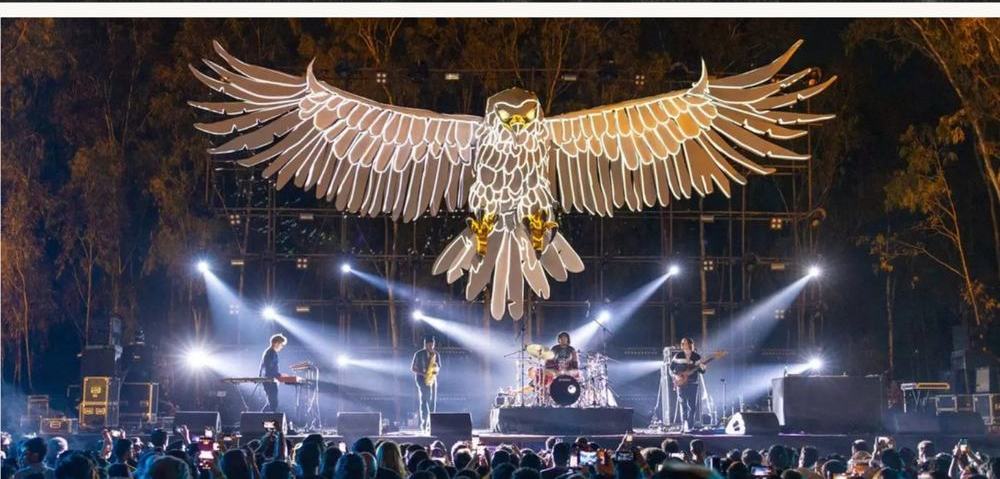 Echoes of Earth, one of India’s leading eco-conscious music festivals, returns in 2025 with a renewed focus on circular design. Stages are built from discarded materials, single-use plastics are eliminated, and renewable-energy systems power much of the experience. The festival brings together artists, designers, environmental scientists and local communities to rethink how large gatherings can be climate-sensitive. This is sustainability expressed through experience design, where culture, creativity and materials work together to model regenerative ways of celebrating. India’s creative industries are beginning to treat sustainability as a design mandate, offering a glimpse of cultural futures that feel inventive, responsible and rooted in place.
From Design Futures India DFI #011, 5 December 2025. Read the full edition →
-
Sanchar Saathi expands, raising new questions about data privacy
 The Department of Telecommunications has expanded the scope of Sanchar Saathi, the portal originally created to prevent SIM fraud and help citizens track lost devices. The updated mandate increases the range of data collected and the types of device information that can be monitored. This could strengthen consumer protection, but it also increases concerns about privacy, proportionality and the long-term design of digital public infrastructure. For India, this is a reminder that design for digital systems is both an art and science. They must keep citizens safe from fraud and misinformation, and they must also protect autonomy, consent and privacy. These goals often pull in different directions, which means the real design challenge lies in how we balance them. These goals often pull in different directions, which means the real design challenge lies in how we balance them.
From Design Futures India DFI #011, 5 December 2025. Read the full edition →
-
Indian Courts Push Back on Design Mimicry in Miniso Case
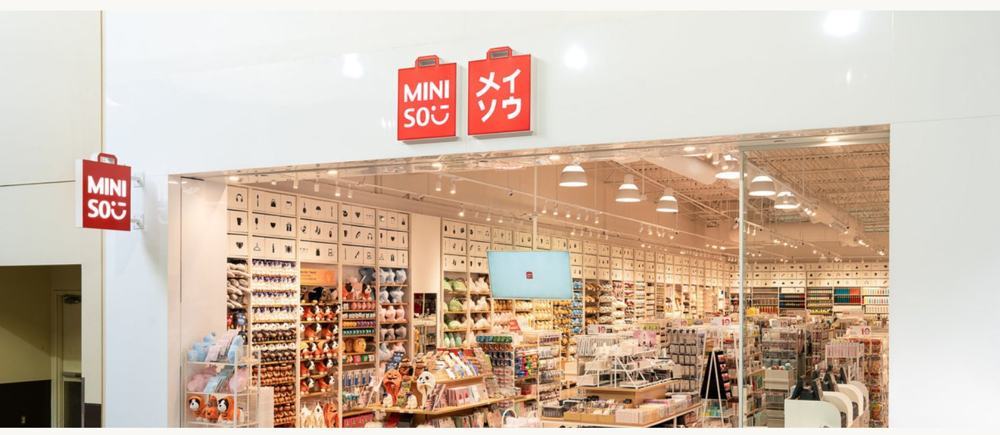 A recent court case involving Miniso has become an important moment for India’s design ecosystem. Miniso was accused of copying the visual style of another brand’s products. The court clarified that while two objects can share the same function, their form, proportions and user-facing details cannot be so similar that they blur the line between inspiration and imitation. The judgment recognises that design choices carry creative intent and deserve protection. It strengthens the rights of small studios and young designers whose work is often replicated without consequence. India is beginning to treat design as genuine intellectual property, not surface styling. That strengthens the creative economy and encourages companies to invest in originality. That strengthens the creative economy and encourages companies to invest in originality.
From Design Futures India DFI #011, 5 December 2025. Read the full edition →
-
India Considers a Redesigned Border Fencing System
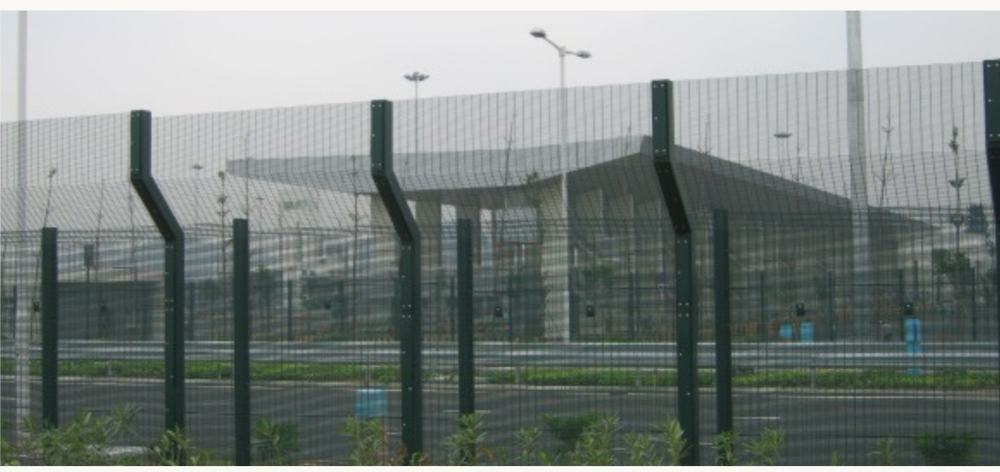 The Border Security Force has confirmed that the Centre is evaluating a proposal for a new design of border fencing along the India–Pakistan border. The redesign aims to improve durability, maintenance, visibility, and integration with modern surveillance systems. The proposal reflects a move toward more intentional, technology-enabled infrastructure rather than routine repairs of older fencing. For India, this is a reminder that national security infrastructure is also a design problem. Materials, climate resilience, human factors and system-level efficiency all shape how borders function. As India modernises its security systems, design thinking is starting to surface in areas that were once seen as purely operational. As India modernises its security systems, design thinking is starting to surface in areas that were once seen as purely operational.
From Design Futures India DFI #011, 5 December 2025. Read the full edition →
-
Designing Public Memory, India Plans Museum of Royal States
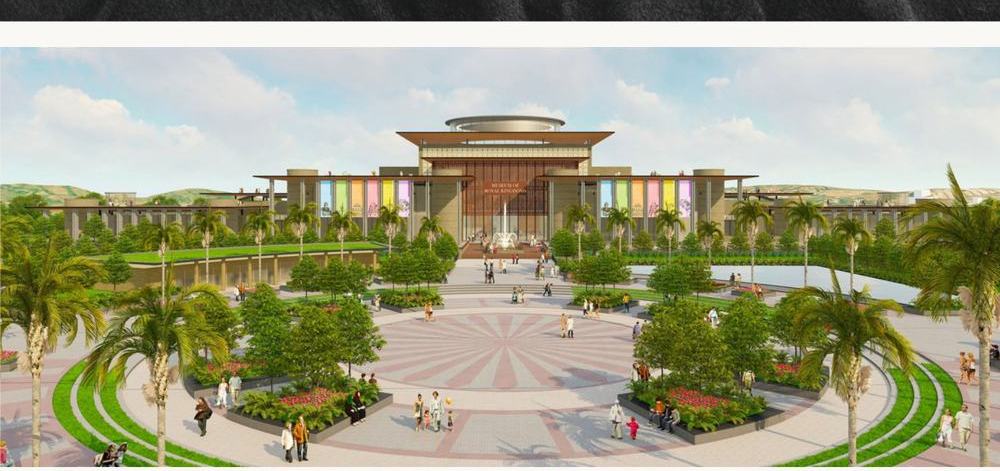 India is planning a Museum of Royal Kingdoms that will showcase the history and cultural legacy of the 560 princely states that once shaped the subcontinent. The museum will stand beside the Statue of Unity, which honours Sardar Vallabhbhai Patel, the leader who integrated these states into the Indian Union. This pairing is not accidental. It reflects how India is beginning to design its public memory with more nuance, acknowledging both regional identities and national cohesion. The museum will require architectural vision, curation strategy, interpretation design and digital storytelling to bring complex histories to life. For design ecosystem, it signals a growing recognition that museums are not archives. They are civic spaces that shape how a nation understands itself. They are civic spaces that shape how a nation understands itself.
From Design Futures India DFI #011, 5 December 2025. Read the full edition →