Design Futures India · 20 March 2026
DFI #022
In this edition: Google & Meta questioned over addictive UX design choices; Deepfake governance is turning into public infrastructure; Adobe’s business model shifts as creativity scales across India; and more.
-
Google & Meta questioned over addictive UX design choices
 Tech giants like Meta and Google are facing scrutiny in a US court over whether features like infinite scroll are intentionally designed to be addictive. The case questions if platforms deliberately engineer user behaviour to maximise time spent, especially among younger audiences.This marks a shift in how design is being understood globally. News Source: Storyboard 18 Interface decisions once seen as engagement tactics are now being examined as behavioural influence at scale. For India, with one of the world’s largest youth user bases, this raises urgent questions. As digital platforms expand, design is no longer neutral. It shapes attention, habits, and well-being.The real challenge is no longer usability, but responsibility in design. It shapes attention, habits, and well-being.The real challenge is no longer usability, but responsibility in design.
From Design Futures India DFI #022, 20 March 2026. Read the full edition →
-
Deepfake governance is turning into public infrastructure
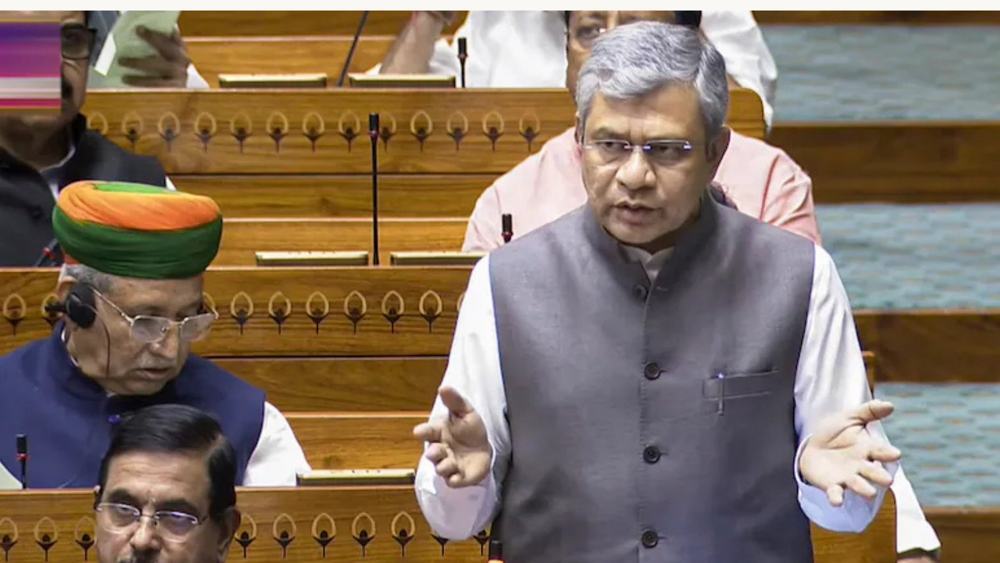 India is planning to allow more government ministries to order takedowns of deepfake and fake content, expanding enforcement beyond a few central agencies. The move aims to respond faster to misinformation as synthetic media becomes easier to create and harder to detect. This is not just a regulatory update. It signals a shift where platform News Source: NDTV design, moderation systems, and reporting flows are becoming part of governance itself. For India’s design landscape, the implication is clear: trust is no longer built only through policy, but through interfaces, timelines, and system responsiveness. As digital public space grows, design is no longer neutral.It is becoming the infrastructure through which truth is managed and experienced. As digital public space grows, design is no longer neutral.It is becoming the infrastructure through which truth is managed and experienced.
From Design Futures India DFI #022, 20 March 2026. Read the full edition →
-
Adobe’s business model shifts as creativity scales across India
 Bharti Airtel has partnered with Adobe to offer free Adobe Express Premium access to its customers, potentially unlocking design tools for hundreds of millions of users across India. The platform enables users to create social media graphics, videos and marketing assets without professional training. Once known for expensive, professional-grade software, Adobe is now reshaping its model News Source: Times of India for a world where creativity is no longer niche but mainstream. This shift is not accidental. As design enters policy conversations, education, and the orange economy narrative, tools are being pushed from premium products to mass platforms. For India, the signal is clear: creation is scaling rapidly. But as access expands, the real gap shifts to quality. When everyone can design, the question is no longer access, but what gets created, and why. When everyone can design, the question is no longer access, but what gets created, and why.
From Design Futures India DFI #022, 20 March 2026. Read the full edition →
-
India’s first smell trademark signals a new frontier for design
 India has granted its first smell trademark to a rose-scented tyre by Sumitomo Rubber Industries, marking a shift beyond visual and verbal branding. The scent, designed to mask the typical rubber odour, is now legally recognised as part of the product’s identity a rare move globally and a first for India’s IP system. But the milestone also exposes a gap.Unlike logos or shapes, scents are difficult to define, represent, and consistently enforce within existing IP structures, raising questions around subjectivity, standardisation, and proof. For India’s design and innovation ecosystem, this is a critical moment. As branding expands into multi-sensory experiences, the law is being pushed beyond its visual bias. The challenge is no longer just protecting design, but updating systems to understand what design has already become. News Source: World Intellectual Property Organistaion News Source: World Intellectual Property Organistaion
From Design Futures India DFI #022, 20 March 2026. Read the full edition →
-
From Wi-Fi to Li-Fi, India explores a new connectivity future
 Indian startup Velmenni has raised ₹30 crore to scale its light-based wireless communication (Li-Fi) technology, offering highspeed data transmission using light instead of traditional radio frequencies. Designed and tested in India, the system claims to deliver 10 Gbps connectivity across distances of up to 25 km, even in challenging environments. This is more than a startup funding story. It signals India experimenting with alternative infrastructure design, especially in a world where spectrum is limited and connectivity demand is exploding. For India, this shift is important. Instead of only scaling existing systems, startups are beginning to reimagine the underlying architecture itself. The future may not just be faster networks, but differently designed ones too. News Source: Indian Startup Times News Source: Indian Startup Times
From Design Futures India DFI #022, 20 March 2026. Read the full edition →
-
Coimbatore is redesigning streets from a child’s POV
 Streets around schools in Coimbatore are being redesigned to become safer and child-friendly, using tactical urbanism interventions such as improved crossings, traffic calming, and pedestrian-first layouts. The initiative brings together local authorities and urban design partners to rethink how streets function for children, not just vehicles. School streets at 10 locations across the five zones of the city, covering nearly four kilometres, will be transformed. This is a quiet but important shift. Indian cities have long prioritised speed and traffic flow over safety and usability. Designing for children forces a different logic: slower streets, clearer signage, and human-scale infrastructure. For India’s design landscape, this signals a move from infrastructure as engineering to infrastructure as accessibility. If streets work for children, they tend to work for everyone. News Source: The New Indian Express News Source: The New Indian Express
From Design Futures India DFI #022, 20 March 2026. Read the full edition →
-
Air India’s Maharaja lounge signals design-led service transformation
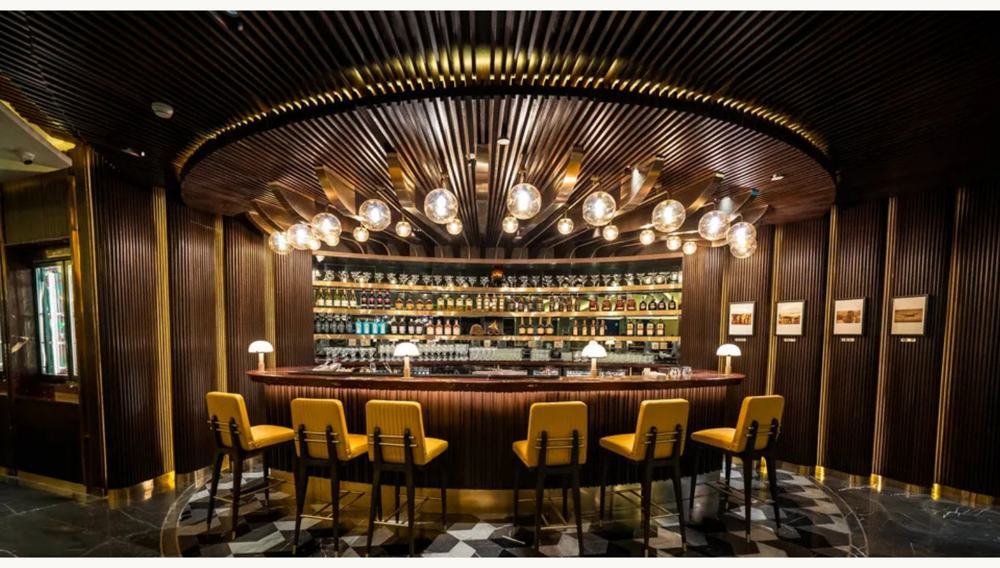 Air India has opened its new Maharaja Lounge at Delhi’s Terminal 3, designed as part of its broader transformation into a global premium airline. The space blends heritageinspired elements with contemporary design, offering curated zones, improved seating, and upgraded passenger services aligned with its new brand identity. News Source: NDTV This is not just a lounge upgrade. It signals a deeper shift in how Indian companies are beginning to think about service as design. For years, aviation in India competed on price and scale. Now, experience, spatial design, and customer journey are becoming strategic differentiators. The real transformation is not visual. It is systemic. Design is moving from surface to service architecture. Design is moving from surface to service architecture.
From Design Futures India DFI #022, 20 March 2026. Read the full edition →