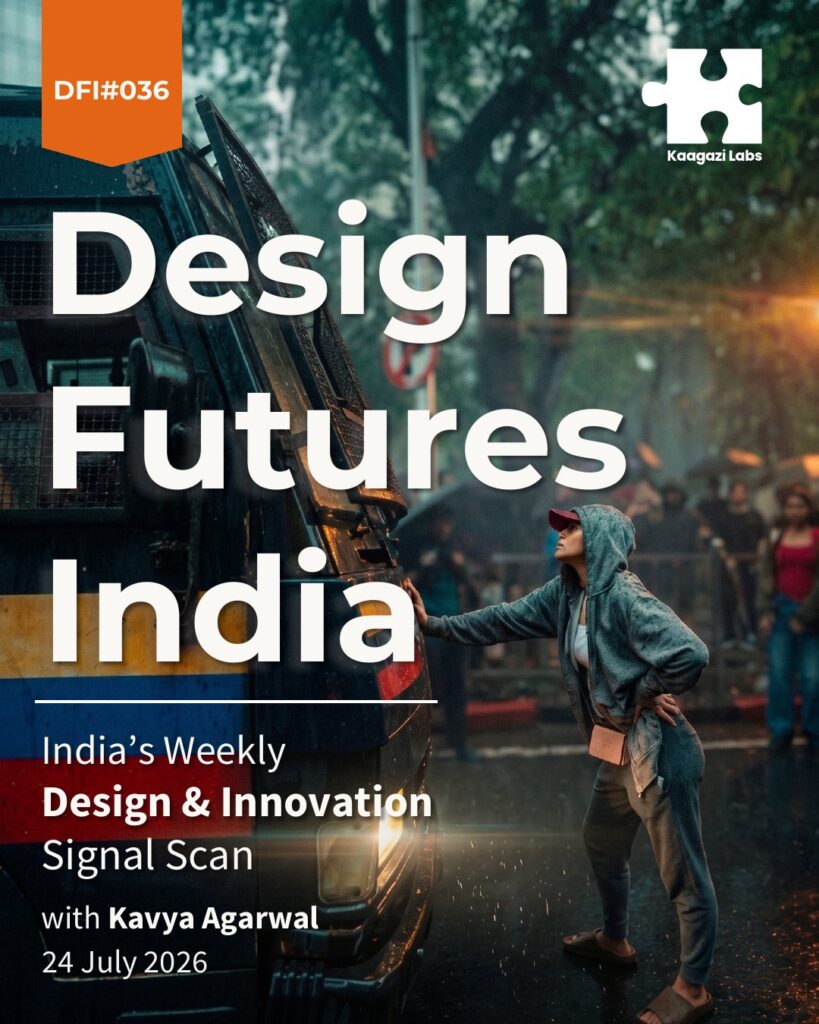
Design Futures India · 24 July 2026
DFI #036
In this edition: How Gen Z is challenging power worldwide; Access to internet is a digital right in 2026; Memes, Music & Masti: The creativity of India’s Gen Z; and more.
-
How Gen Z is challenging power worldwide
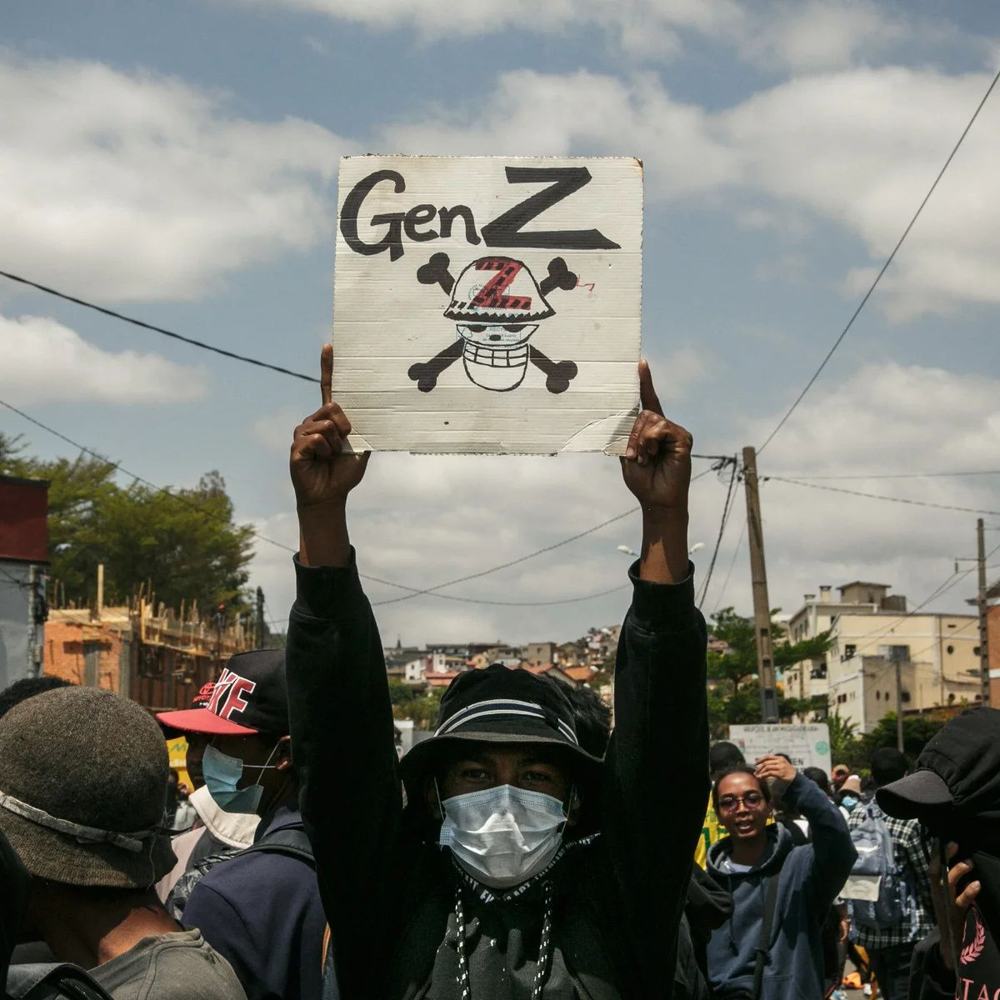
In the last two years, youth-led protests have taken hold in Indonesia, Madagascar, the Philippines, Morocco, Nepal, Tanzania, Peru, Paraguay, Timor-Leste, the Maldives and Kenya. The Carnegie Endowment counted at least 120 significant anti-government protests across 73 countries in the twelve months to March 2026, the highest since 2017. These countries share no common political history. Their grievances do not match. Madagascar was about water and power. Peru was about pensions. Nepal began with a social media ban and ended with the prime minister out of office. And now they have reached India, the most populous nation in the world. The protests however, have a common underlying pattern- young people who are questioning the power, not accepting it at face value. The new generation is reading systems, understanding how things connect and finding a common language and platforms for dissent.
News Source: Reuters
From Design Futures India DFI #036, 24 July 2026. Read the full edition →
-
Access to internet is a digital right in 2026
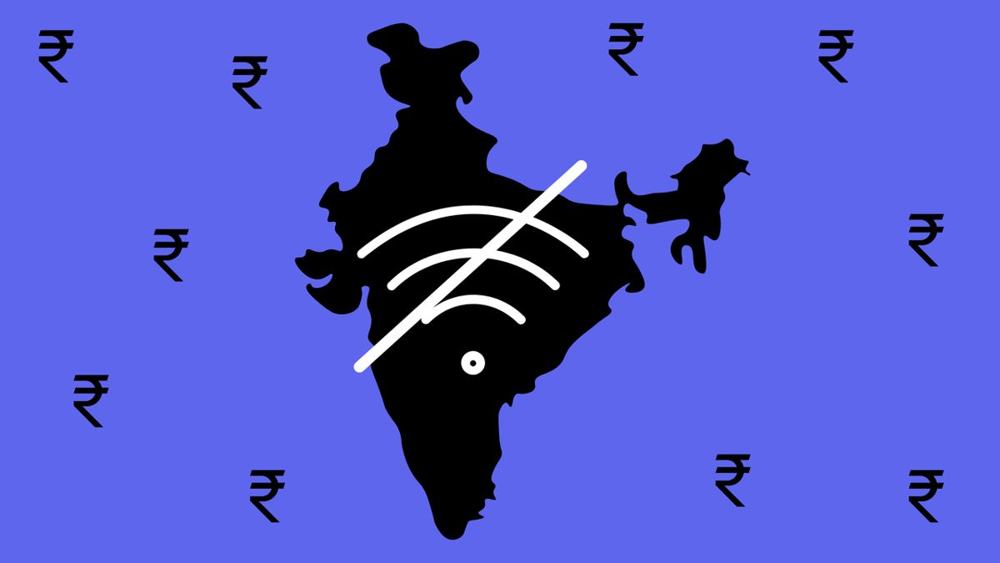
On 20 July, thousands of Indians marched from towards Parliament. Delhi Police confirmed mobile internet services were suspended in parts of Central Delhi, and protesters reported signal jammers deployed at the site. The suspension held until the evening. The Internet Freedom Foundation condemned the internet shutdown in parts of central Delhi, saying no suspension order has been made public. Besides this, permission for the march was refused. Prohibitory orders were imposed under Section 163 of the Bharatiya Nagarik Suraksha Sanhita, 2023. Routes to parliament were sealed and metro stations including Patel Chowk, Rajiv Chowk and Janpath were closed. Amid reports of the use of force, mobile internet was then switched off, reportedly “as a precautionary measure”. Access to the internet is a digital right on which the exercise of our fundamental freedoms now depends. All eyes are on how the governement is dealing with it’s own citizens.
News Source: The Wire
From Design Futures India DFI #036, 24 July 2026. Read the full edition →
-
Memes, Music & Masti: The creativity of India’s Gen Z
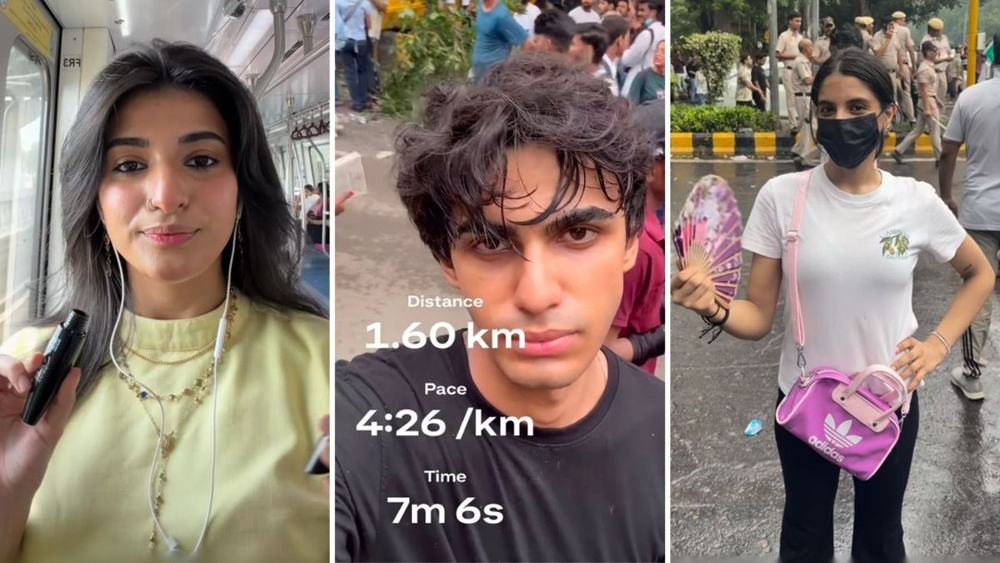
The last few days have shown the creative ingenuity of India’s Gen Z. Tear gas shells smothered in potholes. The national anthem sung until the police had to stand still. The wackiest meme posters. Reels that turned pain into leverage. More young people are getting their news from social platforms now, and posting their own footage alongside the mainstream account of the same day. This generation understands communication design without having been taught it. The protest sites have seen the chronically online generation come offline, in solidarity, in empathy, and with a commitment to non-violence that has held under pressure. Gen Z has also questioned the silence of celebrities and the marketing culture that kept running as though nothing was happening. And they have been unequivocal about the ask: accountability from the education minister, on an issue they have insisted is larger than party or religion. Here’s to you Gen Zs!
From Design Futures India DFI #036, 24 July 2026. Read the full edition →
-
When silence speaks louder than words
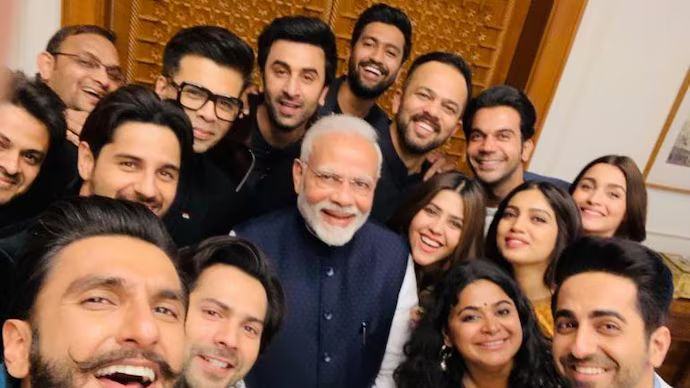
On the midnight of 24 July, PM Modi took to Instagram to address the issue of paper leak for the first time. His selfie style video addressing citizens as “Friends” is no coincidence, it is carefully crafted communication trying to address Gen Z in their own language through a medium they frequent. However, it is evident that the Gen Z does not take words at face value. It took 48 days of protest, 26 days of fasting by Sonam Wangchuk, multiple student brutalities and human rights violations for the PM to care. The government revealed its inefficency through its silence and apathy for its citizens in trying to silence them. Another visibly silent segment was of sports stars, millionaires and bollywood celebrities who are worshipped in India. Barring a few, they remained largely silent. The Gen Z openly questioned their silence on social media until some of them were forced to speak. The design takeway from all this is that silence is its own kind of communication.
From Design Futures India DFI #036, 24 July 2026. Read the full edition →