
Design Futures India · 30 October 2026
DFI #044
In this edition: Mumbai is leasing its sea view to advertisers; India’s Right to Walk; Who checks the bridge before it’s built?; and more.
-
Mumbai is leasing its sea view to advertisers
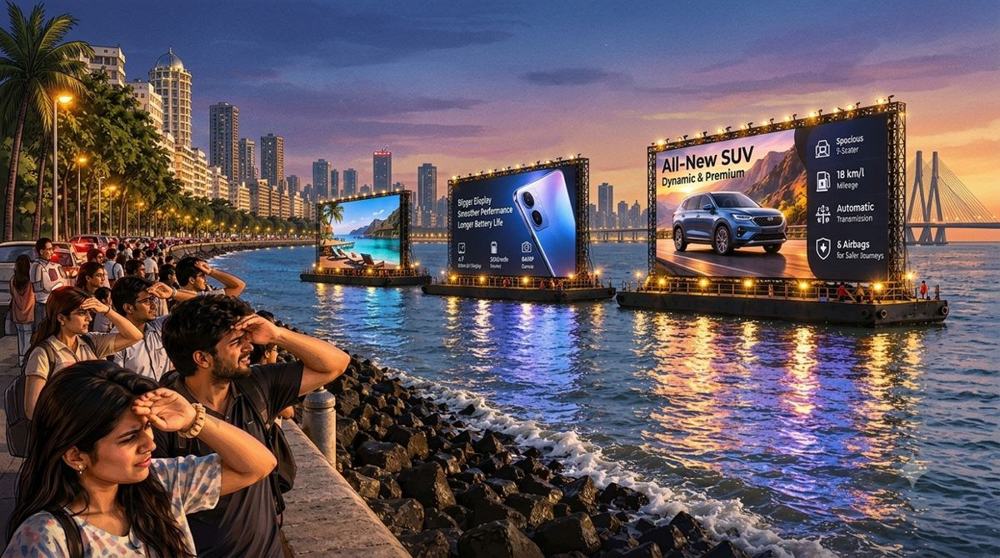
Mumbai’s sea is about to carry ads. The Maharashtra Maritime Board has floated 19 tenders for 29 illuminated structures, including 15 floating barges off Juhu, Worli and the region’s creeks, on licences of up to ten years. The board says it once only issued NOCs and will now earn the money itself. A Juhu barge carries a minimum fee of about Rs 31.6 lakh a year. Seen from the boards perspective, it is a revenue model. The idea is to raise money for the board’s port facilities and water transport projects. However, not everyone supports the idea. . The coastal authority says the sites lack CRZ clearance, and LED glare can reach 40 metres into the water. Residents who have looked after the Carter Road promenade for two decades wrote, “There are many other methods of generating revenue.” Is it possible for the board publish what it needs and let citizens propose how to raise it? Who signs off for the sea?
News Source: The Print
From Design Futures India DFI #044, 30 October 2026. Read the full edition →
-
India’s Right to Walk
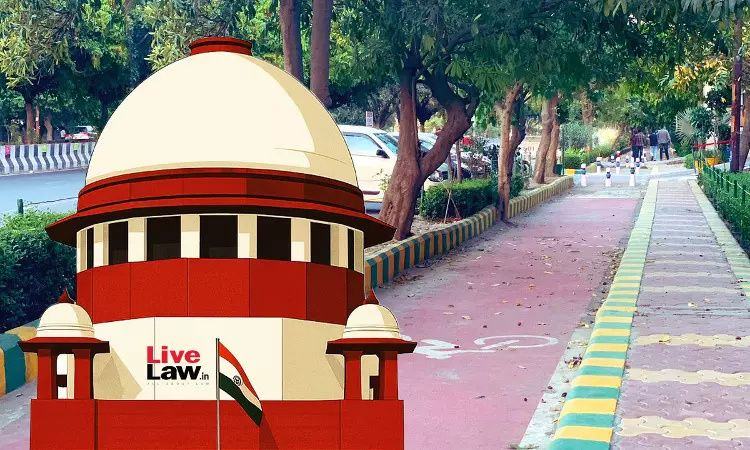
Every fifth person killed on India’s roads in 2024 was a pedestrian. Walk any Indian street and the reason is visible: footpaths that break off, are parked on, encroached or were never built. Part of the problem is ownership. Roads answer to three Union ministries, the states, municipalities and panchayats. Footpaths fall between them. . On 19 June, in a compensation case over a father who lost his five-year-old son on the way to school, the Supreme Court declared that walking on a demarcated footpath is a fundamental right, with priority over motor vehicles. On 5 October it asked the Centre to name one authority, with “the funds, staff (and) infrastructure,” and five towns for a pilot. There, every road would get a demarcated, encroachment-free footpath, a working model before the rest of India. The towns are not yet named. Even in 2026, India is still deciding who.
News Source: Live Law
From Design Futures India DFI #044, 30 October 2026. Read the full edition →
-
Who checks the bridge before it’s built?

In May, part of Bhagalpur’s Vikramshila Setu collapsed. In July, a Dehradun bridge approach caved in 16 days after opening. Parliament was told in August that 471 national highway bridges show structural distress. From 1 December, NHAI will require an independent proof check for every major structure on new highway projects: river bridges carrying 3,000 cubic metres of water a second or more, spans of 40 metres and above, and special structures. IITs, government technical institutions and empanelled firms will check the design, the site conditions and the water flow before final approval. It moves design review earlier, where mistakes are cheapest. But look at the wiring. The contractor proposes three checkers from NHAI’s panel and pays the fee. A regional office picks one. Can a check be independent when the builder chooses the shortlist and pays the bill?
News Source: Swarajya Magazine
From Design Futures India DFI #044, 30 October 2026. Read the full edition →
-
Is one day training enough to enhance digital governance?

On 26 October, Ladakh’s IT department and MeitY ran a one-day workshop in Kargil for staff who run government portals, on UX4G, the Centre’s User Experience for Government design system. Sessions covered service design, UX research and audits, accessibility, design thinking and backend orchestration. The Centre is treating the screen where a citizen applies for a certificate as part of governance, not decoration. A shared design system means a pension portal in Kargil can work like one in Chennai. But the agenda covered a design degree’s worth of ideas in one day. Design systems are easy to adopt and hard to practise. They need user research, testing with real citizens, and someone whose job is to keep fixing what breaks. Can a single day turn website managers into service designers? And who can they call on day two?
News Source: Ladakh.gov.in
From Design Futures India DFI #044, 30 October 2026. Read the full edition →
-
Who said the design of the spoon was finished?
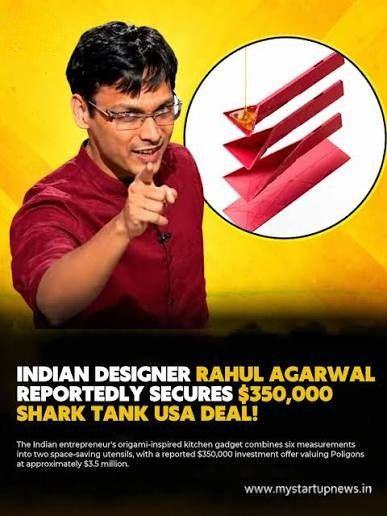
In 2014, a student at the National Institute of Design in Ahmedabad was told by a senior not to redesign things that had reached their final form, like the spoon. Then student Rahul Agarwal took it as a dare. Within three days he had a flat sheet that folds, along printed lines, into different measuring sizes. It took years of iteration to become Polygons, about 2.8 mm thick, flat in a drawer or stuck to the fridge. It has shipped over 200,000 units, according to Shark Tank’s website, and this month won a $350,000 deal on Shark Tank USA. The nested set of measuring cups was never wrong. It was just never questioned. “We are in the business of making products invisible when you don’t need them,” Agarwal says. His deal shows how much room there still is for better design. But the first people to believe in Polygons were Kickstarter backers and an American TV show. What would it take for Rahul to find the same support at home?
News Source: Shark Tank USA
From Design Futures India DFI #044, 30 October 2026. Read the full edition →
-
Sudhakar Nadakarni and the making of Indian design
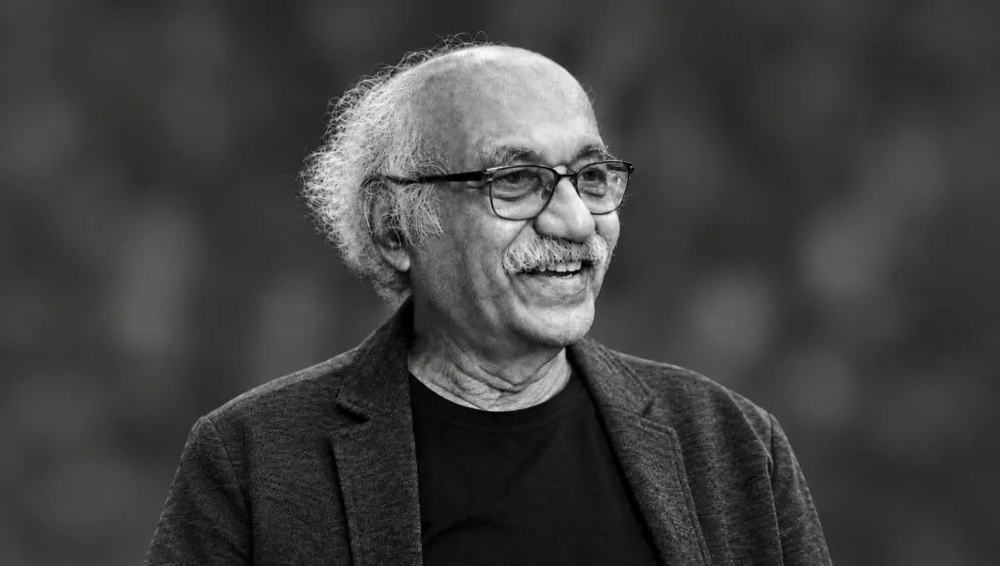
Most designers are remembered for what they made. Sudhakar Nadkarni is remembered for where others learned to make. He joined NID’s founding teachers in 1966. In 1969 he set up the Industrial Design Centre at IIT Bombay, putting design inside an engineering institute, and built it up with a rigorous curriculum and global exposure for young teachers. When he stepped down in 1997, IIT Guwahati invited him to build a design department and its first undergraduate course. In 2004, Welingkar asked him to set up design teaching in a management school. Each time, he took design into a place that had not had it: engineering, the Northeast, business. Most of it was collective effort, and he shared credit fairly with all faculty members. Nadkarni died on 20 October, aged 90. Institutions outlast their founders only when they are built to. Which of today’s design schools are being built that way?
News Source: Indian Express
From Design Futures India DFI #044, 30 October 2026. Read the full edition →