Design Futures India · 21 August 2026
DFI #039
In this edition: Assam floods: Disaster or Design choice?; Does the PM Care about public trust?; Garment Manufacturing in India going Green; and more.
-
Assam floods: Disaster or Design choice?
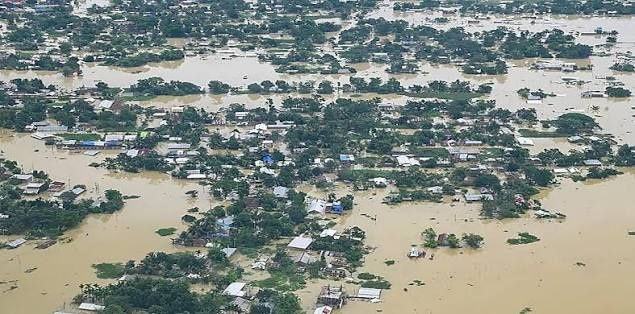
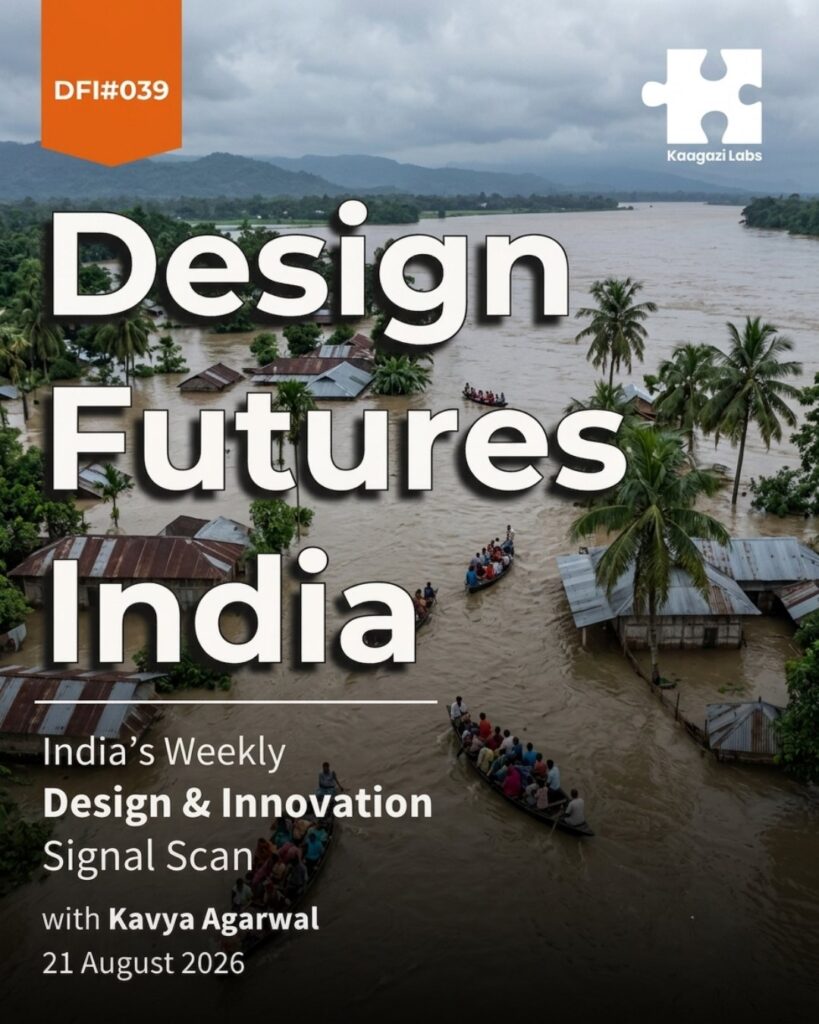
Monsoon floods across Upper Assam have killed at least 75 people and displaced nearly 700,000. Close to 300,000 are living in relief camps. More than 900 villages are under water. The rain is natural. The scale of the loss is not. Assam’s standard answer to floods is the embankment, patched and rebuilt every year. But experts point to a preventable pattern beneath the water: wetlands filled in for large projects, drainage that cannot cope, unplanned building on the floodplain. Embankments and relief camps save lives now. They do not touch the design that manufactures the disaster. Prevention and floodplain planning are the slower, harder work, made harder still because much of the water arrives from hill states upstream that Assam does not govern. Each year the damage is absorbed and filed as routine. When a flood is this predictable, is it a natural disaster or a design choice?
News Source: The Newslaundry
From Design Futures India DFI #039, 21 August 2026. Read the full edition →
-
Does the PM Care about public trust?

In March 2020, as COVID arrived, the PM CARES Fund was setup to gather donations for emergencies. It was designed as a public charitable trust, not a government fund. That one classification shaped everything after it. As a trust, the fund sits outside the Right to Information Act, outside audit by the Comptroller and Auditor General, and outside Parliament’s questions. Its accounts for 2023-24 and 2024-25, released this month after a two-year gap, show a corpus of about ₹8,452 crore, most of i it parked in fixed deposits. Spending in 2024-25 was ₹87.85 lakh, roughly 0.01% of the corpus. Refunds returned by unnamed implementing agencies were larger than the amount spent. A public fund disclosed like a private one carries an uneasy tension. While India battles natural disasters and lacks basic facilities, citizens must question why accountability is designed out, what holds public trust up?
News Source: Press Reader
From Design Futures India DFI #039, 21 August 2026. Read the full edition →
-
Garment Manufacturing in India going Green
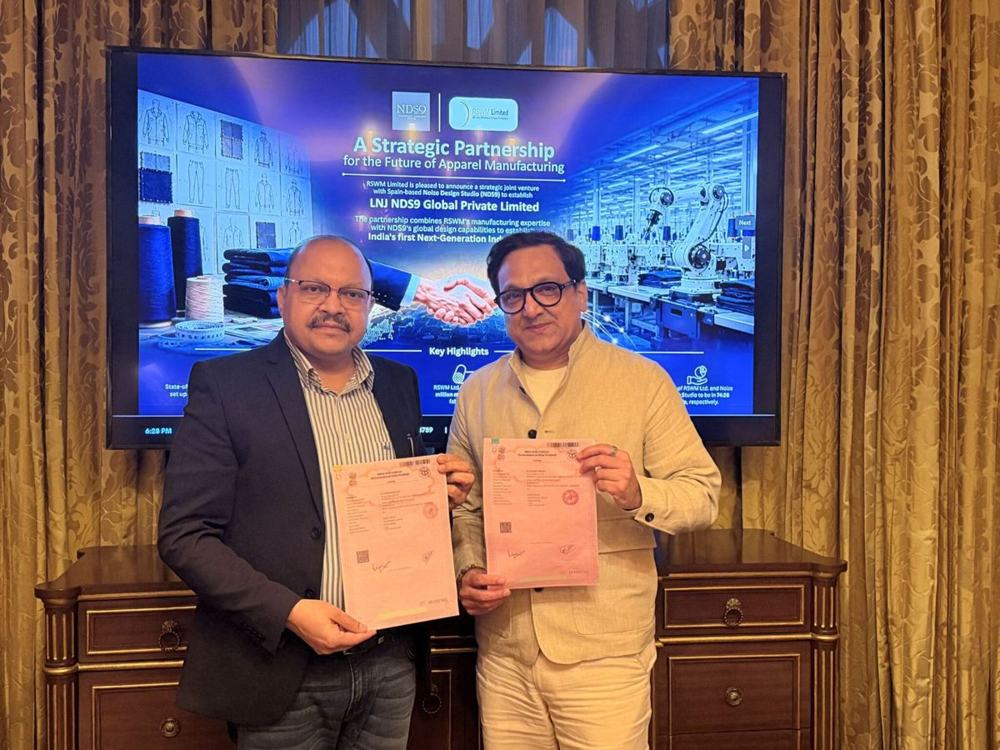
Every pair of jeans has a water bill. Growing the cotton, dyeing the yarn indigo, and washing the fabric to look worn can take thousands of litres. Untreated, that wastewater has turned rivers blue near textile towns. This is the backdrop to a new joint venture between a Rajasthan textile maker and a Barcelona design studio, which says it will build a “green,” Industry 5.0 garment plant near Bhilwara. Both terms are worth unpacking, because both are widely used and rarely explained. “Green” manufacturing means named techniques: laser and ozone finishing, foam or air dyeing instead of repeated indigo baths, and closed-loop systems that recycle most of the water on site. “Industry 5.0” was coined to put human wellbeing and sustainability at the centre of production. India makes a large share of the world’s denim. The cleaner methods exist and work. The open question is whether they become the standard, or stay the premium export line.
News Source: Indian Textile Magazine
From Design Futures India DFI #039, 21 August 2026. Read the full edition →
-
What is Camera-first Product Design?

For most of its history, a product was designed for the hand. Does it work, does it last, does it feel right to hold. A quieter shift is now underway in India. Brands in beauty, fashion and food are designing products to be seen first, on a smartphone camera, because that is where most people now discover them. Packaging becomes a reel. An unboxing becomes a hook. A Meta-comissioned study found that 80% beauty shoppers and 76% fashion shoppers discover brand through reels and social media. This is pushing brands towards “Camera first product design”, where shareability becomes an additional design consideration. The influence of social-first discovery is not limited to paackaging but changes what customers expect from the product even before they experience it. This insight is a gold mine for all kinds of designers designing in 2026.
News Source: Exchange4Media
From Design Futures India DFI #039, 21 August 2026. Read the full edition →
-
Reliance x Rolls Royce: India’s Air Autonomy
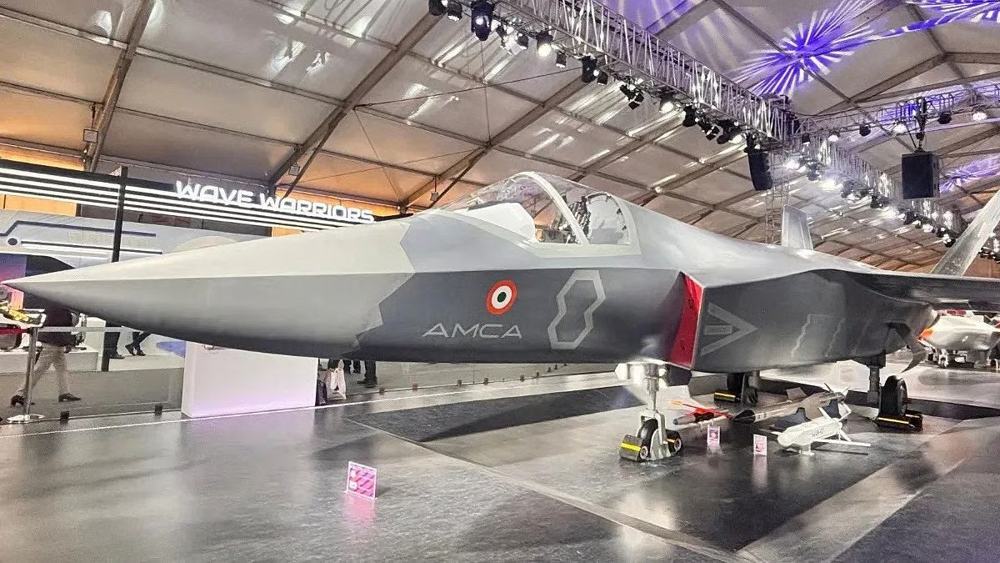
Reliance Industries and British aero-engine major Rolls-Royce have announced their strategic intent to jointly develop and manufacture an indigenous combat-aircraft engine for India’s Advanced Medium Combat Aircraft (AMCA), adding a new contender to the race for the powerplant of the flagship fifth-generation fighter. India has build a fighter aircraft. It has never built the engine inside one. That single gap has shaped Indian air power for decades. India’s strategic autonomy heavily depends on its capability in critical technologies. If it holds, ownership of the design, not just the assembly line, is the real prize. But intent is not a contract. No terms, timeline or structure are settled, a rival state-backed bid is still in play, and an engine built from a standing start is a decade of hard, uncertain work. Can a country buy its way to a capability, or must it design its way there?
News Source: New Indian Express
From Design Futures India DFI #039, 21 August 2026. Read the full edition →
-
BITSDES in the new era of integrated design education
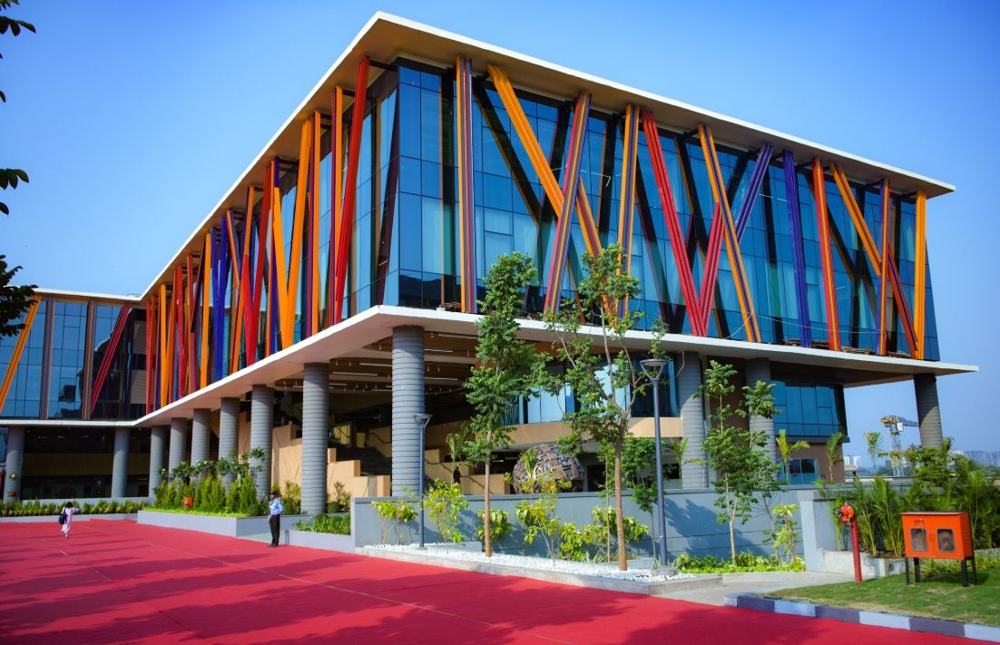
This month a Mumbai design school sent its first cohort of students out on internships, and the destinations are the signal. Not just advertising agencies or design studios, but a Reserve Bank Innovation Hub (RBIH), where students worked on a design system for a payments platform, and a polar research centre, where one designed a scientific data portal. Students also supported branding and design initiatives in the space sector. Students undertook internships across 16 cities in 10 states, Organisations engaged students across school’s five design pathways, Digital Product Design, Design Research & Insights, Visual Design, Physical Product Design and Experiential Design. The BITS Pilani Practice School programme is integrated with the B.Des programme provides real-world challenges while gaining experience of multidisciplinary professional environments.
News Source: Shiksha.com
From Design Futures India DFI #039, 21 August 2026. Read the full edition →