Design Futures India · 10 October 2025
DFI #004
In this edition: India and UK design a new creative alliance; Google cuts more than 100 design related roles; Mumbai Metro blending heritage + modern design; and more.
-
India and UK design a new creative alliance
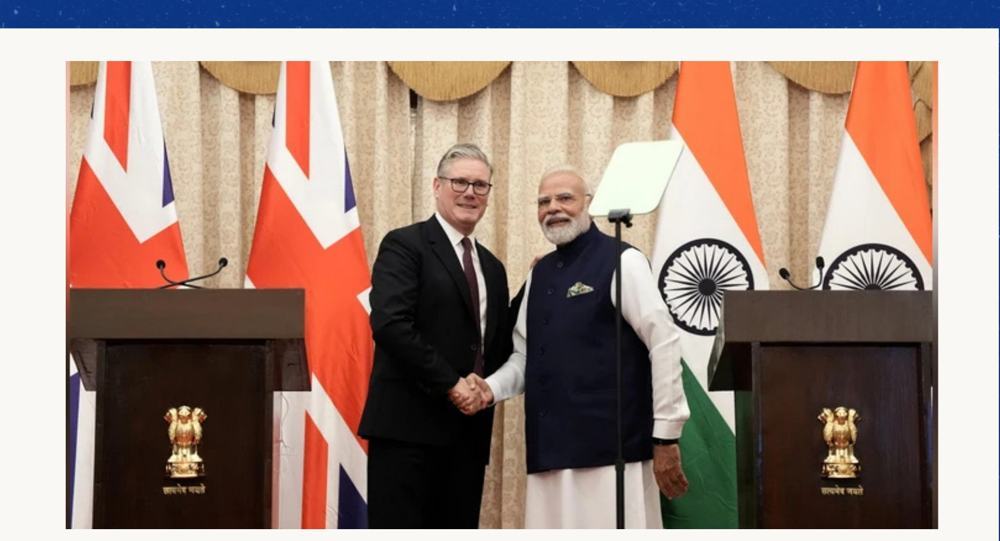 Kier Starmer’s ongoing India visit this week marks a turning point in UK–India relations — one defined not only by trade deficits but also design synergies. Discussions focused on green technology, AI ethics, and creative industries, including bollywood & design education. This visit reframes India’s identity on the world stage — not just as a tech superpower, but as a cultural and creative superpower. Bollywood, design, and digital storytelling are now part of India’s strategic toolkit shaping perception, policy, and pride. India’s soft power now lies in how it designs its stories. India’s soft power now lies in how it designs its stories.
From Design Futures India DFI #004, 10 October 2025. Read the full edition →
-
Google cuts more than 100 design related roles
 The clouds are shifting as Google begins a new round of layoffs across design, documentation and marketing roles. Insiders report it as part of a larger shift toward AI-driven automation and cost optimization.This isn’t an isolated event, but a larger signal for the design roles. Across global tech firms, AI is beginning to absorb foundational design tasks. What’s shifting is not design’s value, but its position. Design is moving deeper into systems, while the traditional roles are increasingly managed by machine intelligence. For designers, its time to upgrade! For designers, its time to upgrade!
From Design Futures India DFI #004, 10 October 2025. Read the full edition →
-
Mumbai Metro blending heritage + modern design
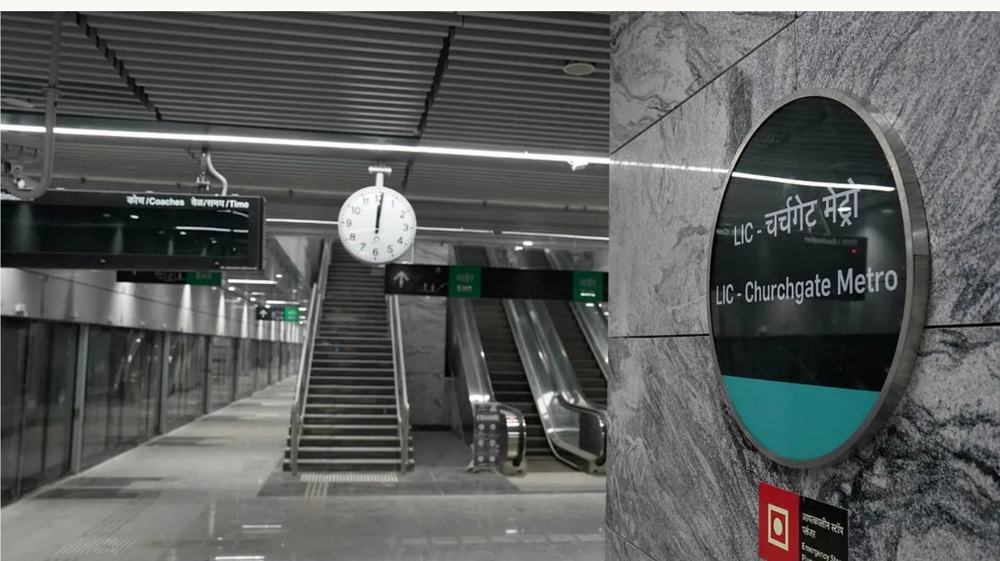 History is about to be made, as the long-awaited Metro Line 3 — the city’s first fully underground corridor — prepares to begin operations in South Mumbai. These new lines are quietly redefining accessibility — tactile flooring, ramps, Braille signage, and inclusive station layouts are setting standards for public infrastructure in India. The architecture preserves South Mumbai’s heritage façades while integrating glass, lighting, and outdoor escalators. This is a new benchmark for modern transit integrating with historic context seamlessly. This is a new benchmark for modern transit integrating with historic context seamlessly.
From Design Futures India DFI #004, 10 October 2025. Read the full edition →
-
Swadeshi 2.0 meets urban youth and Gen Z
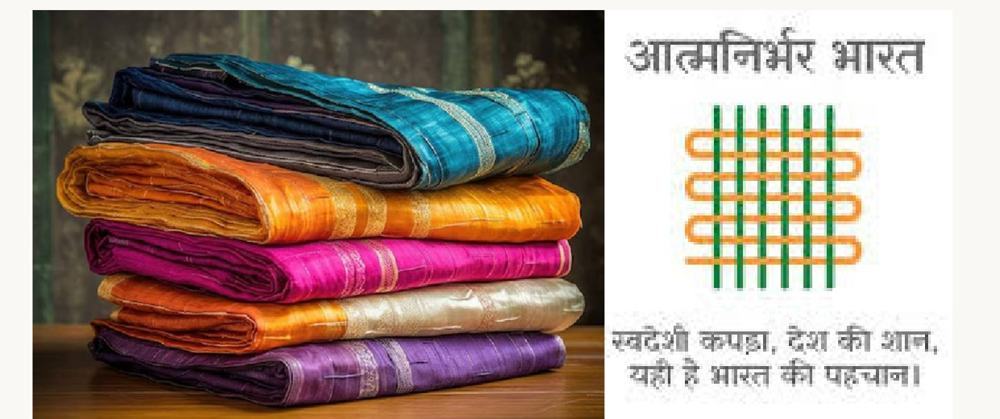 October 4, 2025: The Government of India has launched a Swadeshi Campaign to reposition Indian textiles and crafts for modern audiences, aiming to grow domestic demand to $250 billion by 2030. The campaign promotes khadi, handloom, and artisanal products through design-driven branding and influencer collaborations. This is cultural strategy meeting market strategy. For India’s designers, it’s a chance to reimagine heritage not as nostalgia but as a competitive advantage — proof that India’s textile future can be both local and global.
From Design Futures India DFI #004, 10 October 2025. Read the full edition →
-
Chennai’s new Science Corner makes STEM accessible
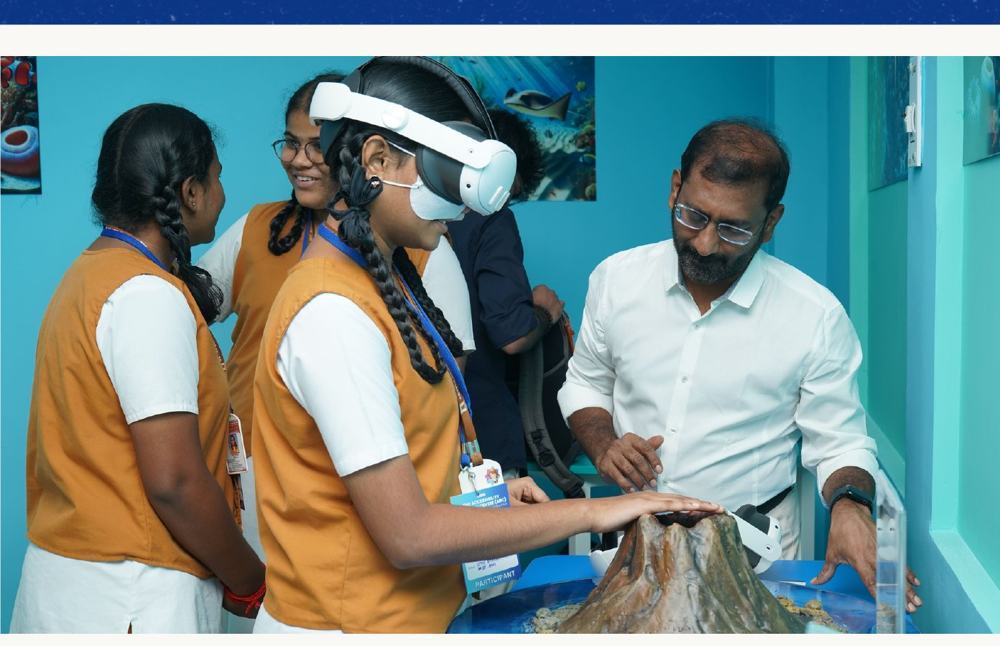 The Accessible Science Corner, inaugurated in Chennai by former CJI D.Y. Chandrachud, marks a major step toward inclusive education design in India. Created by the Tamil Nadu Science and Technology Centre in collaboration with IIT Madras, it is the country’s first multi-sensory STEM learning space designed for students with visual, auditory, and mobility disabilities. This initiative is a reminder that innovation should be acessible. The next revolution in Indian education won’t be digital; it will be tactile, audible, and truly accessible. The next revolution in Indian education won’t be digital; it will be tactile, audible, and truly accessible.
From Design Futures India DFI #004, 10 October 2025. Read the full edition →
-
Design Mumbai 2025 is where India meets the world
 The second edition of Design Mumbai returns to Jio World Garden from 26–29th November 2025. It brings together voices from 15 countries — from Australian architects experimenting with Indian urban density to Spanish studios reinterpreting craft with Indian artisans. The exhibitions spotlight material futures, circular design, and the rise of Indian-led design entrepreneurship. Design Mumbai is repositioning India’s craft heritage with global innovation. It’s a signal that from craft to concept — the world now looks to India for ideas that include, sustain, and scale. It’s a signal that from craft to concept — the world now looks to India for ideas that include, sustain, and scale.
From Design Futures India DFI #004, 10 October 2025. Read the full edition →
-
Semiconductor design goes grassroots at IIT Palakkad
 In a new partnership under the PM VIKAS scheme, IIT Palakkad will train students from minority and underserved communities in semiconductor design, drone engineering, and embedded systems. The initiative combines hands-on labs, mentorship, and design thinking workshops, creating a blueprint for inclusive innovation education. IIT Palakkad’s model proves that inclusion is also infrastructure. For India’s creative and design ecosystem, this means more voices, more ideas, and more equitable participation in the technologies that will define our future. For India’s creative and design ecosystem, this means more voices, more ideas, and more equitable participation in the technologies that will define our future.
From Design Futures India DFI #004, 10 October 2025. Read the full edition →
-
UP students design solutions for a self-reliant nation
 In a new partnership under the PM VIKAS scheme, IIT Palakkad will train students from minority and underserved communities in semiconductor design, drone engineering, and embedded systems. The initiative combines hands-on labs, mentorship, and design thinking workshops, creating a blueprint for inclusive innovation education. IIT Palakkad’s model proves that inclusion is also infrastructure. For India’s creative and design ecosystem, this means more voices, more ideas, and more equitable participation in the technologies that will define our future. For India’s creative and design ecosystem, this means more voices, more ideas, and more equitable participation in the technologies that will define our future.
From Design Futures India DFI #004, 10 October 2025. Read the full edition →