Design Futures India · 28 November 2025
DFI #010
In this edition: This is just the Beginning; India’s Electronics Development Fund Signals a Deep-Tech Shift; Hyderabad’s Gets India’s First Bioprocess Design Hub; and more.
-
This is just the Beginning
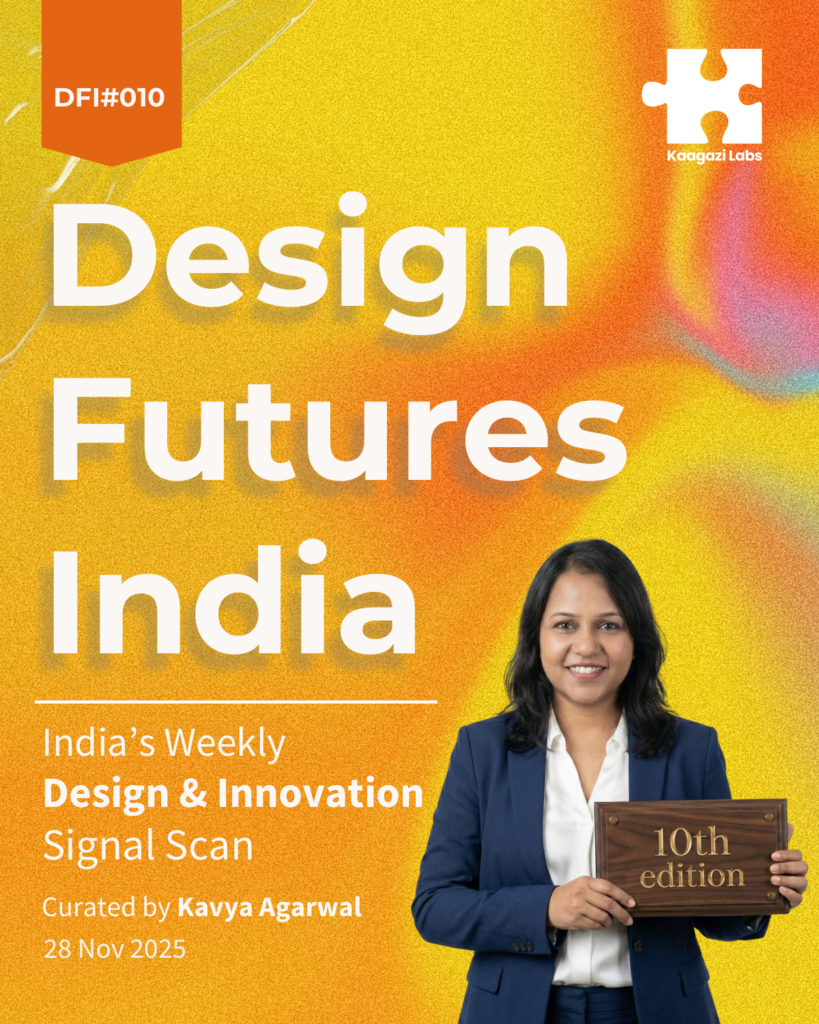
 This week marks the 10th edition of Design Futures India. For this small but meaningful milestone, I want to pause and remember why I began a weekly Design & Innovation Signal Scan in the first place. I started DFI because I felt mainstream media rarely captured the richness of India’s design and innovation landscape. Important signals slipped by unnoticed, while our design conversations had become too westernised— often ignoring our own culture, craft,and lived context. And design itself remained siloed: seen as an aesthetic layer, rather than a way of solving problems. But India has always designed — through frugality, community wisdom, systems and everyday ingenuity. DFI became my way of reconnecting design to the worlds it truly belongs to: business, policy, technology, education, and people. A weekly reminder that design is not a luxury, but a national capability in the making — and that India deserves to find its own design voice. -Kavya Agarwal, Editor -Kavya Agarwal, Editor
From Design Futures India DFI #010, 28 November 2025. Read the full edition →
-
India’s Electronics Development Fund Signals a Deep-Tech Shift
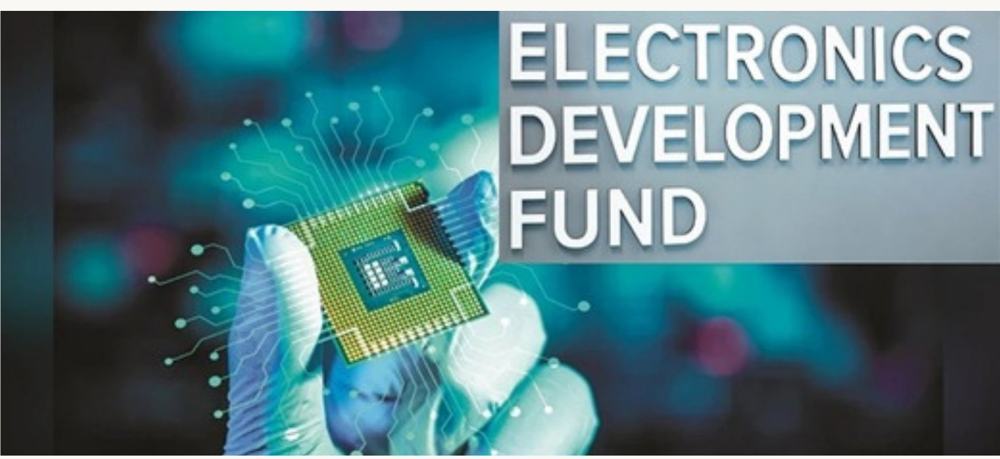 A new analysis shows India’s Electronics Development Fund (EDF) has catalysed over ₹1,335 crore in investments across deep-tech sectors.With ₹257 crore deployed into daughter funds, EDF has backed 128 startups, generated 368 IPs, and enabled 23,000+ jobs. This is design and innovation at the systems level. By funding hardware, embedded systems, and electronics R&D, India is moving from assembling products to designing and owning the building blocks of its tech future. For designers, engineers, and innovators, this signals new opportunities in India’s growing deep-tech ecosystem — where materials, electronics, interfaces, and IP creation are becoming national priorities. This is India investing not in gadgets, but in capability. This is India investing not in gadgets, but in capability.
From Design Futures India DFI #010, 28 November 2025. Read the full edition →
-
Hyderabad’s Gets India’s First Bioprocess Design Hub
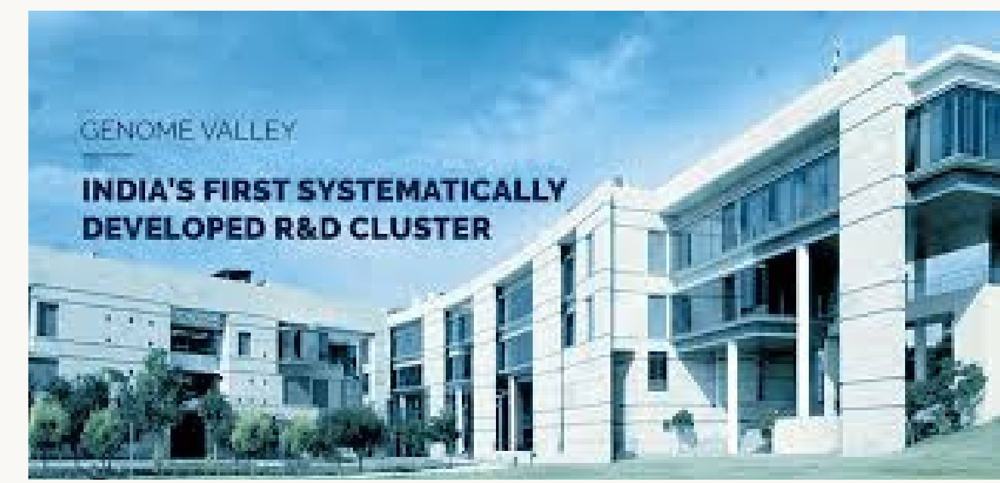 Hyderabad’s Genome Valley has inaugurated India’s first bioprocess design hub, called 1B, focused on accelerating biologics, biosimilars, cell therapies and mRNA-based innovations. The centre aims to support biotech startups, researchers, and manufacturers with advanced pilot-scale infrastructure and end-to-end bioprocess design capabilities. This marks a shift in how India approaches biotech innovation from borrowing global processes to designing our own. Bioprocess design isn’t just equipment; it’s about rethinking workflows, scaling methods, and safety systems for life-saving therapies. For designers and innovators, this opens up a new frontier where design, biology and engineering intersect. For designers and innovators, this opens up a new frontier where design, biology and engineering intersect.
From Design Futures India DFI #010, 28 November 2025. Read the full edition →
-
Hubballi Hosts Regional Innovation Meet
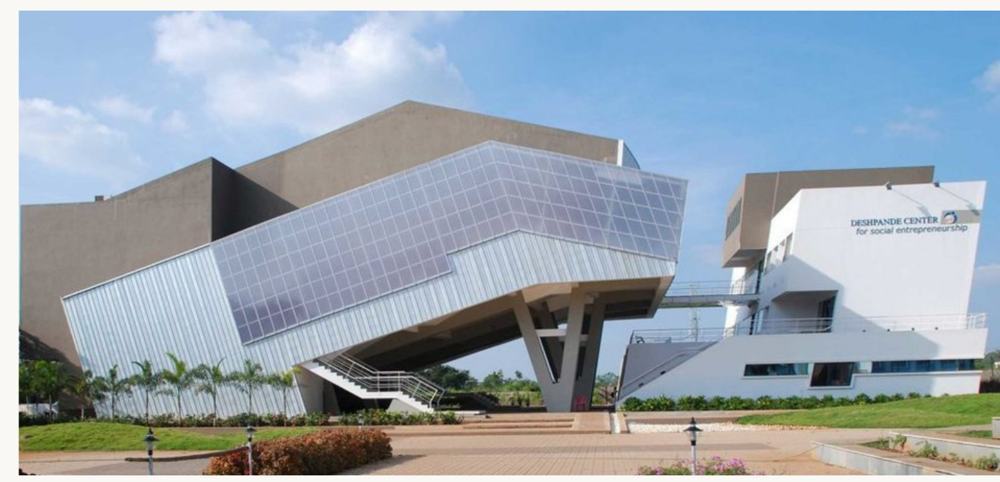 KLE Technological University in Hubballi hosted the IIC Regional Meet 2025, one of a nationwide series being held across 26 locations and conducted in three phases under the Ministry of Education’s Innovation Council. The meet brought together 150+ institutions, with students presenting prototypes in mobility, rural tech, healthcare, robotics, and climate solutions. These meets signal a quiet but important shift: India is building an innovation culture that does not depend on a few metros or elite campuses. By distributing opportunities across the country, the system is valuing local problemsolving, context-driven design, and students who understand the realities around them.
From Design Futures India DFI #010, 28 November 2025. Read the full edition →
-
Kochi Firm Designs India’s First Privately-Built Warship
 A Kochi-based engineering firm has become the first private entity in India to design a Navy warship, marking a major shift in how defence innovation is sourced and scaled. Until now, warship design was the domain of government PSUs and specialised naval design directorates. Warship design demands systems thinking at its highest level. Opening this space to private players signals. in defence tech and invites a broader innovation ecosystem into national security . For designers and engineers, it opens new roles at the intersection of industrial design, UX for high-risk environments, simulation, and systems engineering. And for Kerala, it positions Kochi as an emerging node in India’s defence-design future. And for Kerala, it positions Kochi as an emerging node in India’s defence-design future.
From Design Futures India DFI #010, 28 November 2025. Read the full edition →
-
India Approves ₹305 Cr Textile R&D Fund
 The government has approved ₹305 crore for Tex-RAMPS, a national programme to strengthen R&D, material innovation, and testing infrastructure across India’s textile sector. The scheme will support new labs, shared facilities, and industry–academia collaborations to upgrade fibres, dyes, technical textiles, and sustainable materials. Textiles are one of India’s oldest design systems. Investing in R&D signals a shift from low-cost manufacturing to innovation-led textiles. For artisans, MSMEs, and small-town manufacturers, this means access to better testing, quality tools, and design–tech pathways that were once limited to large mills. This is a signal that the next textile revolution in India will be designed, not inherited. This is a signal that the next textile revolution in India will be designed, not inherited.
From Design Futures India DFI #010, 28 November 2025. Read the full edition →
-
Only 13% of India’s EVs Meet PLI Standards
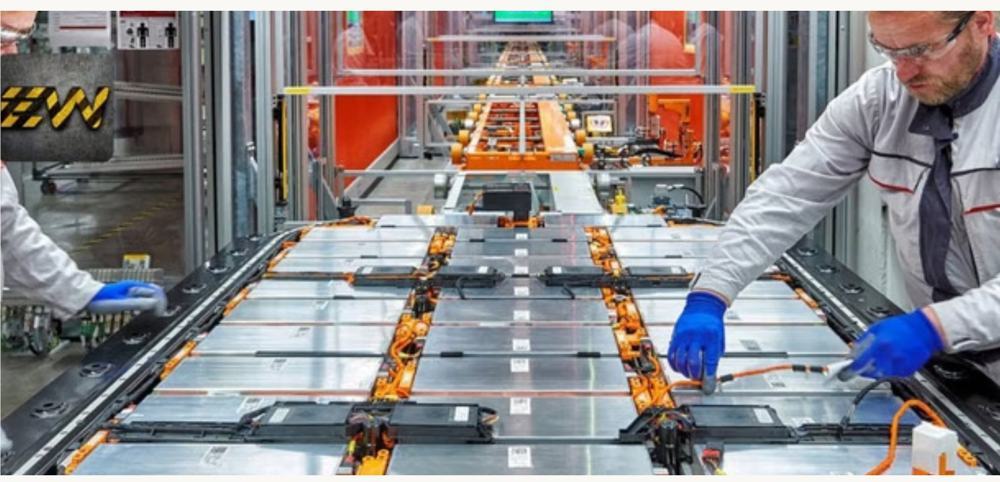 A new report shows that only 13% of “Made in India” electric vehicles qualify for the government’s PLI scheme because core components — batteries, power electronics, software stacks — remain heavily imported, especially from China. Missing the PLI criteria reveals the real bottleneck: we need deeper local design, materials R&D, and supply-chain innovation, not just assembly lines and branding. If we want EVs built for Indian roads, climates, and users, we must design the heart of the vehicle — batteries, safety systems, thermal design, charging ecosystems — here at home. For designers, this is a call to treat auto mobility not as a product, but as infrastructure — something India must design, own, and evolve for itself. For designers, this is a call to treat auto mobility not as a product, but as infrastructure — something India must design, own, and evolve for itself.
From Design Futures India DFI #010, 28 November 2025. Read the full edition →
-
Indian Army Registers IP for New Combat Coat
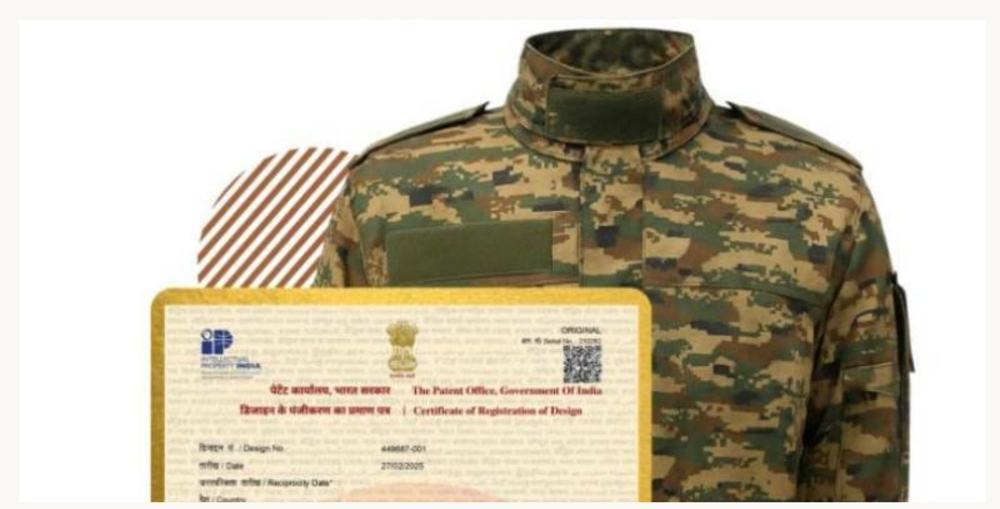 After unveiling its new digitalprint combat uniform, the Indian Army has introduced a New Coat Combat (Digital Print) designed by NIFT Delhi in collaboration with the Army Design Bureau. The three-layer garment uses advanced technical textiles and ergonomic construction for better comfort, mobility and climate adaptation. The Army has now formally registered the design and camouflage pattern with the Controller General of Patents, Designs & Trademarks, securing exclusive IPR. By protecting its design IP, the Army signals growing confidence in indigenous innovation. For designers, it’s a reminder that technical textiles, systems design and user-centred protection gear are emerging frontiers in India’s design future. For designers, it’s a reminder that technical textiles, systems design and user-centred protection gear are emerging frontiers in India’s design future.
From Design Futures India DFI #010, 28 November 2025. Read the full edition →
-
India Unveils New e-Passport
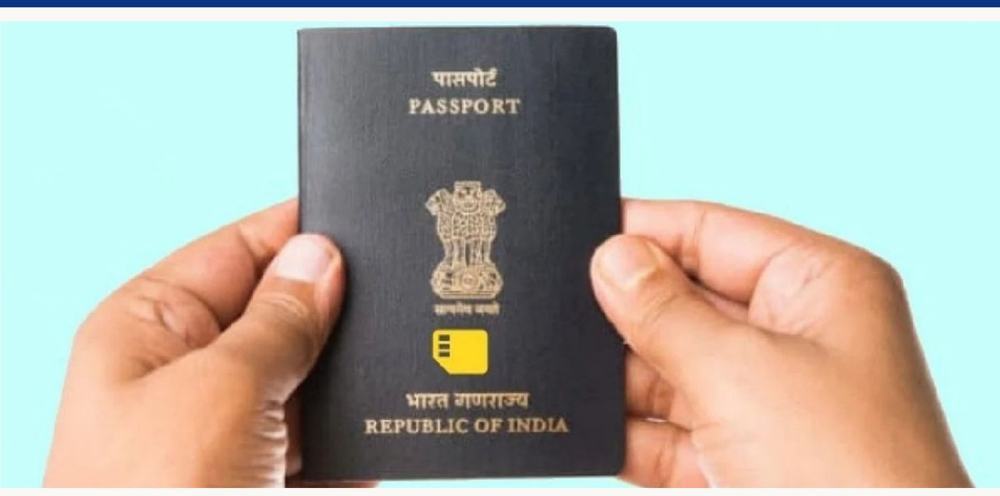 India has introduced a redesigned e-passport with advanced security features, an embedded microchip, updated materials, and new visual design elements to strengthen identity protection and speed up airport verification. The upgrade adds anti-forgery patterns, tamper-resistant data pages, and enhanced biometric integration for global travel. The new e-passport signals a shift toward secure, user-centred identity infrastructure, where material science, interface design, and data protection improve both safety and citizen experience. With indigenous chip tech and stronger security architecture, India is reinforcing its public digital infrastructure. For designers, it’s a reminder that impactful design often lives inside systems we rarely see — from identity to mobility to public safety. For designers, it’s a reminder that impactful design often lives inside systems we rarely see — from identity to mobility to public safety.
From Design Futures India DFI #010, 28 November 2025. Read the full edition →