Design Futures India · 12 December 2025
DFI #012
In this edition: Gujarat’s STI policy signals a shift toward homegrown innovation; Cyient–Navitas tie-up signals India’s next-gen semiconductor design; Ultraviolette raises $45M to scale India-designed EV bikes; and more.
-
Gujarat’s STI policy signals a shift toward homegrown innovation
 Gujarat has released a draft Science and Technology Innovation Policy that places strong emphasis on swadeshi research, deeper industry– academia collaboration and a dedicated innovation fund to nurture frontier technologies. The policy aims to strengthenlocal IP creation, support applied research and build talent pipelines across sectors like semiconductors, biotech, defence and mobility. This signals a move from importing solutions to designing them in India. For a state with major industrial clusters, the policy could turn universities and labs into engines of innovation, giving young technologists and designers a clearer pathway from research to real-world impact.
From Design Futures India DFI #012, 12 December 2025. Read the full edition →
-
Cyient–Navitas tie-up signals India’s next-gen semiconductor design
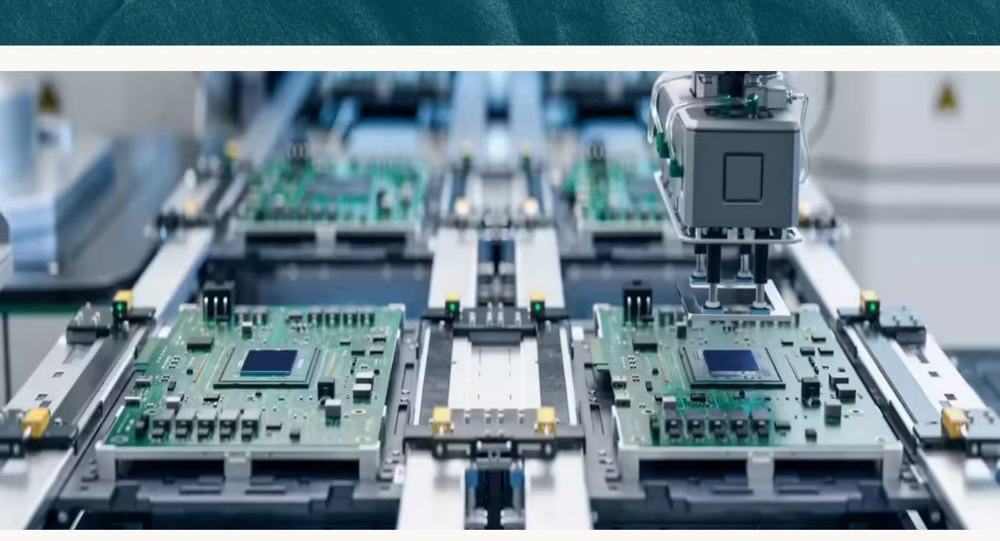 Cyient Semiconductors and USbased Navitas have partnered to build a Gallium Nitride (GaN) design and manufacturing ecosystem in India, strengthening the country’s position in advanced power electronics. GaN chips are critical for EVs, satellites, 5G infrastructure and high-efficiency chargers — domains where India has long depended on imports. The collaboration brings global IP, local engineering depth and long-term investment into a sector where design capability matters as much as fabrication. The larger signal: India is beginning to participate in frontier materials and device design, not just assembly. This could accelerate a domestic deep-tech economy with global relevance. This could accelerate a domestic deep-tech economy with global relevance.
From Design Futures India DFI #012, 12 December 2025. Read the full edition →
-
Ultraviolette raises $45M to scale India-designed EV bikes
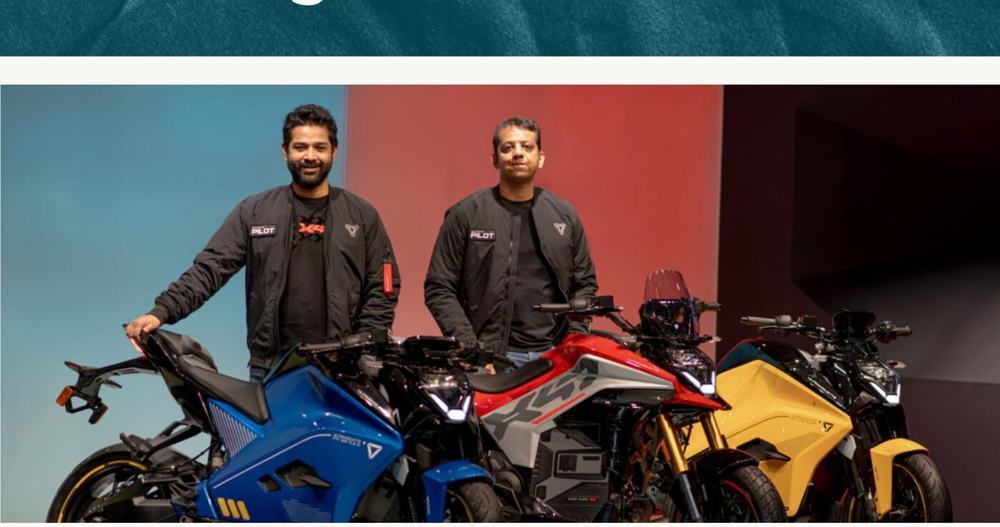 Ultraviolette Automotive has raised $45 million in Series E funding from Zoho and Europebased Lingotto, strengthening its push to scale F77 and X-47 electric motorcycles in India and abroad. What’s notable is the strategic intent: Ultraviolette isn’t designing for a domestic market and later adapting for export — it is building global-spec performance EVs from day one. This funding round deepens that ambition. The company now operates in 30 Indian cities and has begun entering Europe, with plans for 100 domestic touchpoints by 2026. The signal is clear: India’s mobility innovators are no longer catching up; they are competing at the frontier, aiming to shape global EV culture rather than merely supply it.
From Design Futures India DFI #012, 12 December 2025. Read the full edition →
-
India’s EV charging pain points reveal a deeper design gap
 India’s EV network is expanding fast, but charging remains one of the weakest links. A recent industry analysis shows that users still struggle with unreliable chargers, confusing interfaces, poor wayfinding and inconsistent standards. What looks like a technical problem is actually a system design failure – one that affects safety, trust and the everyday life of EV users. For India’s clean-mobility transition, experience design now matters as much as engineering. Standardised UI flows, clearer signage, predictable payments and accessible layouts can remove behavioural friction that slows adoption. India solved digital payments through thoughtful, interoperable design; EV charging may require a similarly coordinated national playbook. India solved digital payments through thoughtful, interoperable design; EV charging may require a similarly coordinated national playbook.
From Design Futures India DFI #012, 12 December 2025. Read the full edition →
-
Railways is redesigning stations into future-ready public hubs
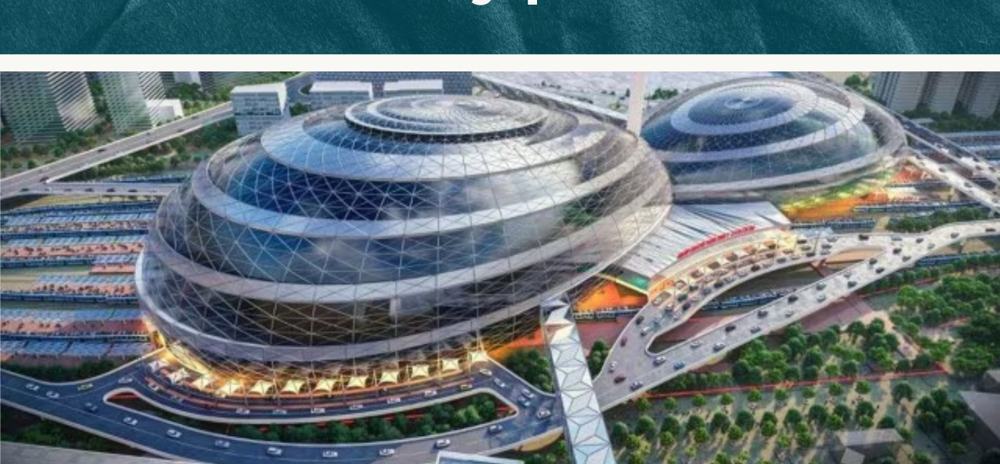 Indian Railways is executing one of the country’s largest infrastructure redesign efforts under the Amrit Bharat Station Scheme, with more than 1,300 stations being redeveloped nationwide into modern, commuter-centric hubs rather than legacy transit stops. Each redesign follows long-term master plans that prioritise expanded circulation, seamless access from both city sides, improved passenger halls, better foot-over bridges, lifts/escalators, enhanced amenities. The aim is not merely cosmetic upgrade but creating integrated, accessible public spaces that support multimodal connectivity and future demand. Early inaugurations and ongoing work signal a shift from decades of ad-hoc fixes toward systematic design-led transformation of India’s most trafficked civic infrastructure.
From Design Futures India DFI #012, 12 December 2025. Read the full edition →
-
Bombay High Court redesign sparks debate on civic architecture
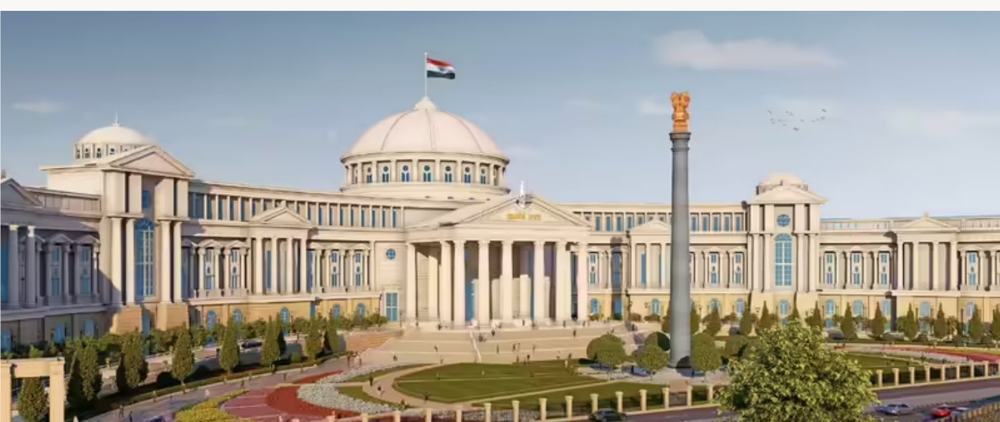 Proposed Design A former Bombay High Court judge has criticised the proposed ₹4,127-crore Bandra court complex, calling its design “colonial” and insufficiently oriented toward litigants’ needs. While the project promises scale and modernisation, critics argue that the design prioritises imposing architecture over access, clarity and comfort — the core experience of people who must navigate the judicial system daily. This rare public debate signals a cultural shift: India is beginning to judge government buildings not by grandeur but by how they serve citizens. As courts, stations and hospitals undergo massive redevelopment, design justice becomes a key public expectation — not an afterthought. As courts, stations and hospitals undergo massive redevelopment, design justice becomes a key public expectation — not an afterthought.
From Design Futures India DFI #012, 12 December 2025. Read the full edition →
-
India Skills 2025 spotlights Nagaland’s emerging design talent
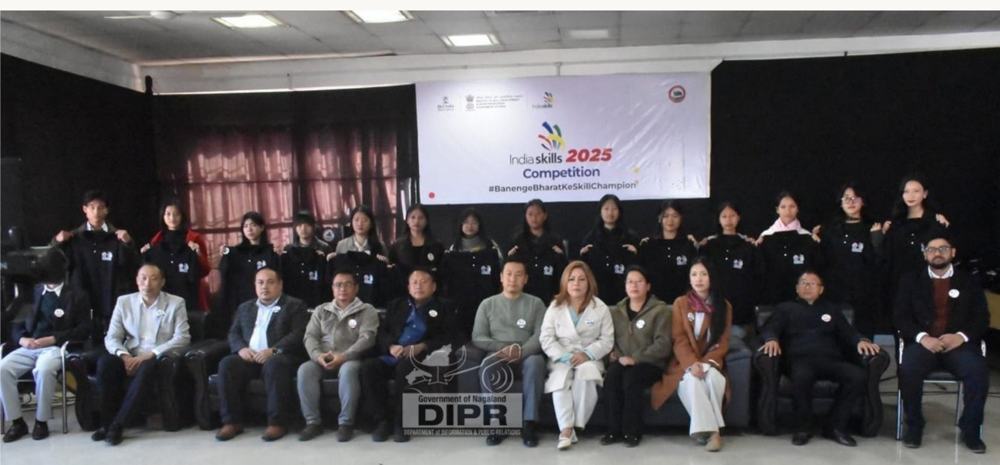 Nagaland hosted the India Skills 2025 regional competition with finalists across Graphic Design, Fashion Design Technology, and Restaurant Service, showcasing a new generation of vocational talent shaped by creativity as much as craft. Beyond medals, the event signals how India’s skill ecosystem is shifting—from industrial trades toward design, experience and service excellence, especially in the Northeast where creative economies are gaining momentum. For a country preparing its workforce for 2047, this matters. Skill-building is no longer about technical proficiency alone; it’s about design literacy, cultural intelligence and employability in industries where India can lead globally.
From Design Futures India DFI #012, 12 December 2025. Read the full edition →
-
Prof. Ashoke Chatterjee receives BV Doshi Guru Ratna Award 2025
 Veteran design educator and practitioner Prof. Ashoke Chatterjee has been conferred the Balkrishna Doshi: Guru Ratna Award 2025 in recognition of his five-decade long contribution to design, craft, education, and development in India. From NID to Jawaja’s craft revival, his career shows how design builds dignity when it champions people rather than markets. Named after B. V. Doshi, whose legacy reshaped India’s built environment, this award signals a renewed focus on design as a public good. At a time when design leans toward tech and aesthetics, it recentres India’s tradition of community-rooted practice and reminds us that the future needs designers who understand systems and work where everyday life is shaped.
From Design Futures India DFI #012, 12 December 2025. Read the full edition →