Design Futures India · 13 February 2026
DFI #020
In this edition: India Moves Closer to the Core of Global Chip Design; Deepfakes Now Come with a 3-hour Deadline; After Years of Construction, a Metro That Still Confuses; and more.
-
India Moves Closer to the Core of Global Chip Design
 Qualcomm’s reported breakthrough in 2-nanometre chip design places India at the centre of a critical layer of global semiconductor innovation. Much of the advanced design work behind this milestone has been driven by engineering teams based in India, reinforcing the country’s growing role in high-end chip architecture. Semiconductor leadership is not only about fabs and factories. It begins with design capability. Chips determine how devices perform, how energy is managed, and how secure digital systems remain. For years, India has been known as a services and software powerhouse. Deep involvement in advanced node design signals a shift toward core technology influence. If sustained, this momentum could anchor India more firmly in the global semiconductor value chain, not as a market, but as a maker. News Source: The Indian Express News Source: The Indian Express
From Design Futures India DFI #020, 13 February 2026. Read the full edition →
-
Deepfakes Now Come with a 3-hour Deadline
 The government has reportedly directed platforms like Meta, Google, and X to remove deepfake content within three hours of being flagged. The move follows rising concern over manipulated videos and AIgenerated misinformation spreading rapidly across Indian social media ecosystems. This is no longer just a technology problem. It is a design and governance problem.Platforms are built for speed, virality, and engagement. Deepfakes exploit News Source: People Matters those very design choices. A 3hour deadline forces companies to rethink moderation systems, reporting interfaces, and response workflows. It shifts accountability from reactive clean-up to structured responsibility. In a country heading into election cycles and navigating high digital penetration, trust in what people see online is fragile. Designing platforms that prioritise authenticity over amplification may now be less optional and more urgent. Designing platforms that prioritise authenticity over amplification may now be less optional and more urgent.
From Design Futures India DFI #020, 13 February 2026. Read the full edition →
-
After Years of Construction, a Metro That Still Confuses
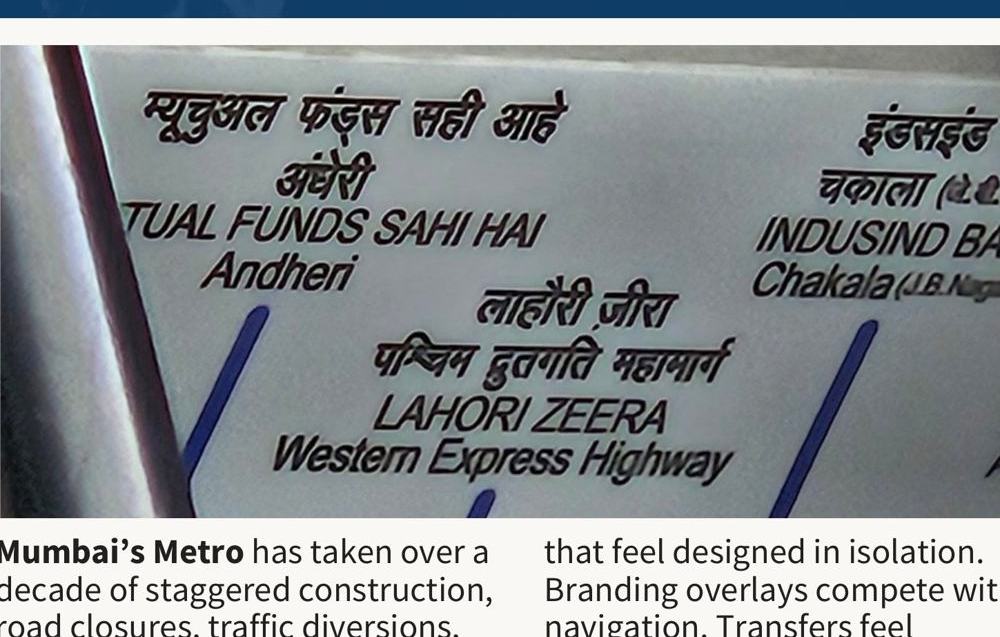 Mumbai’s Metro has taken over a decade of staggered construction, road closures, traffic diversions, and daily inconvenience for residents. Commuters endured dust, delays, and disrupted routes in the hope of a seamless mobility future. Now that key lines are operational, a different frustration has surfaced. On social media platforms like X and in citizen forums, users are not debating aesthetics. They are pointing to basic issues: unclear wayfinding, disconnected ticketing, and lines that feel designed in isolation. Branding overlays compete with navigation. Transfers feel improvised.What makes this sharper is that MMRDA’s own Branding Vision and Style Guidelines promise predictable wayfinding, strong colour logic, and a simple “follow the line” system. That was the design intent. When public infrastructure takes years and thousands of crores to build, clarity should not be negotiable. Taxpayers’ money deserves better everyday design. Taxpayers’ money deserves better everyday design.
From Design Futures India DFI #020, 13 February 2026. Read the full edition →
-
Do Mumbai’s Roads Need a Soundtrack or better Systems?
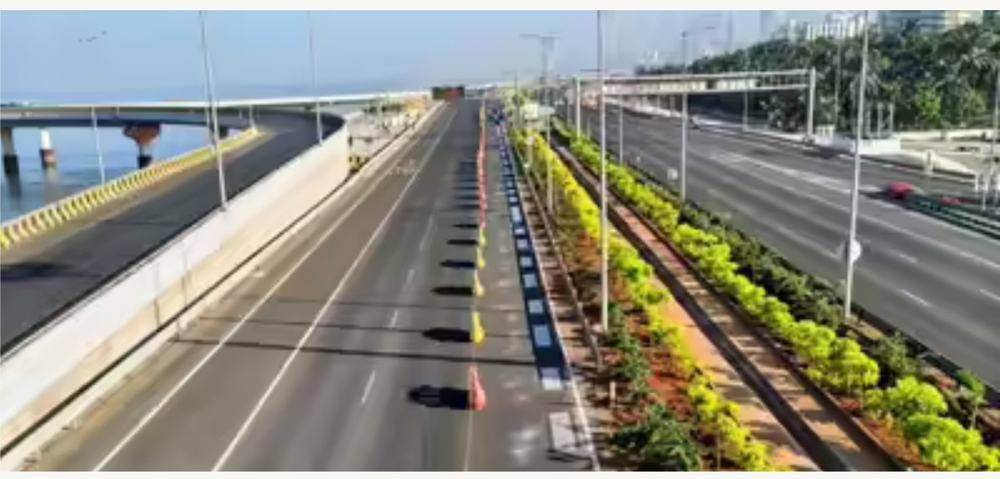 Mumbai’s Coastal Road now features India’s first “musical road,” where specially grooved rumble strips play the tune of Jai Ho when vehicles drive over them at a fixed speed. The intervention is designed as a public experience, blending infrastructure with cultural expression. It is a playful idea. But it raises a larger design question. In a city still negotiating congestion, pedestrian safety, and air quality, what should infrastructure prioritise? News Source: Times of India Roads are first mobility systems, then experience surfaces. While musical strips may encourage steady speeds, they also reflect how spectacle often finds faster funding than maintenance or safety upgrades. India does not lack creativity. It lacks reliable everyday infrastructure. The challenge is not whether such ideas are clever. It is whether they address the most urgent urban needs in a city pressed for basic needs. It is whether they address the most urgent urban needs in a city pressed for basic needs.
From Design Futures India DFI #020, 13 February 2026. Read the full edition →
-
Designing Access Beyond the Mainstream Game
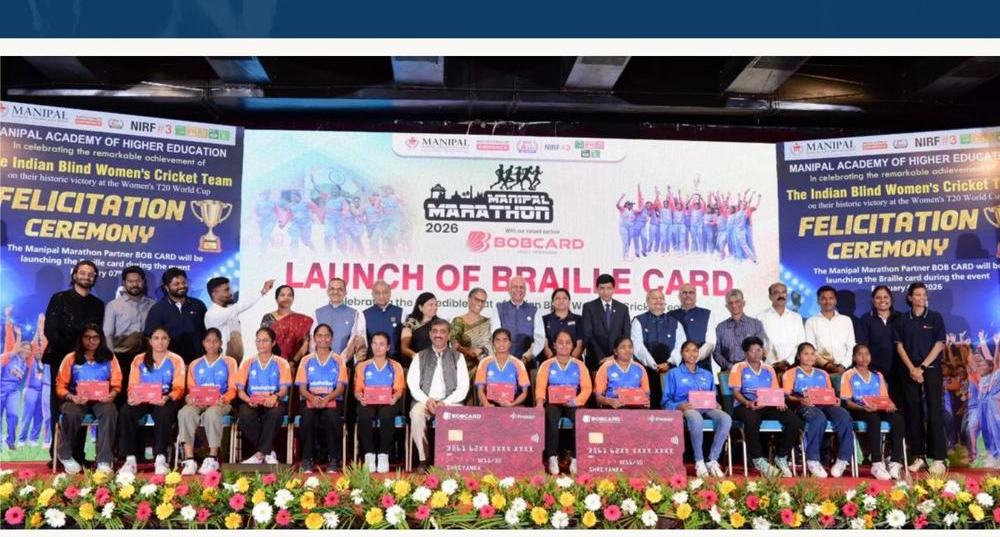 As the blind women’s cricket team celebrated its recent victory, MAHE and BOBCARD also spotlighted something quieter but equally important: a Brailleenabled credit card designed for visually impaired users. The card features embossed Braille markings that help users independently identify and orient it, reducing reliance on assistance during transactions. This is what inclusive design looks like in practice. Financial systems often assume sight as default. News Source: SME Street A card that can be read by touch restores autonomy in everyday banking. It shifts accessibility from compliance to dignity. For millions of visually impaired Indians, independence at a payment terminal is not symbolic. It is structural. When mainstream financial products integrate tactile design, inclusion moves from special schemes to standard infrastructure. True access begins at the point of everyday use. True access begins at the point of everyday use.
From Design Futures India DFI #020, 13 February 2026. Read the full edition →
-
AMCA Tests How India Designs Defence Technology
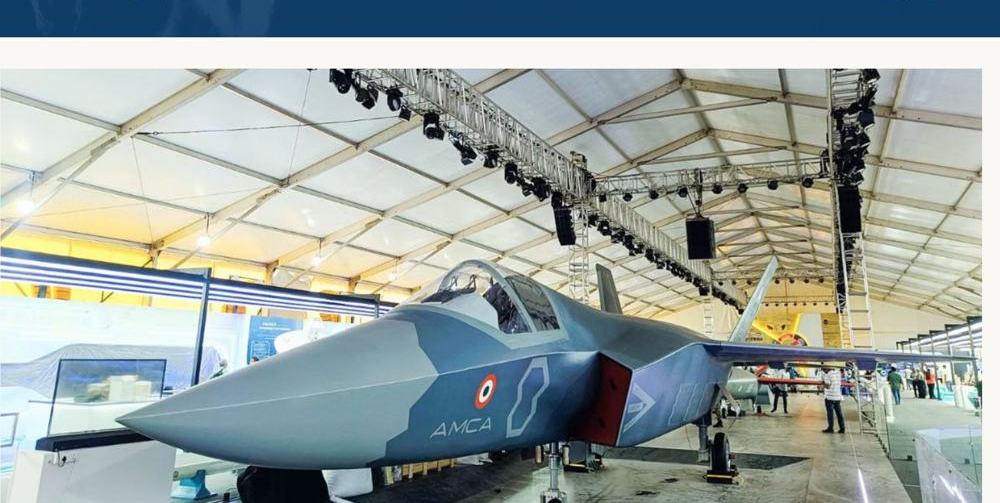 India’s upcoming Advanced Medium Combat Aircraft, or AMCA, is more than a new fighter jet project. It is the first major test of the government’s Defence Acquisition Procedure 2026, the rulebook that decides how India plans, approves, funds, and builds military equipment. In simple terms, this procedure determines who works on a project, how decisions are made, how risks are shared, and how delays are handled. In the past, defence projects often ran into cost News Source: The Print overruns and coordination gaps. The new framework aims to bring clearer roles, private sector participation, and faster execution. AMCA will show whether those reforms work in practice. Building advanced aircraft demands precision across design, materials, software, and manufacturing. If the system holds together, it signals that India’s institutional design can finally match its technological ambition. If the system holds together, it signals that India’s institutional design can finally match its technological ambition.
From Design Futures India DFI #020, 13 February 2026. Read the full edition →
-
When Design Becomes Cultural Diplomacy
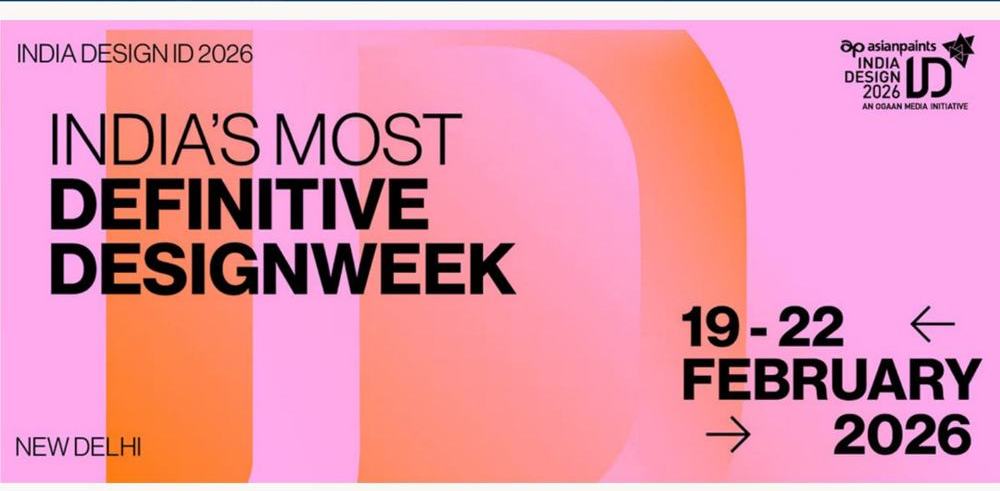 The second edition of Art de Vivre à la Française will be showcased at India Design ID 2026, scheduled from 19–22 February 2026 at NSIC Grounds, Okhla, New Delhi. Curated as part of the larger India Design ID exhibition, the showcase brings together leading French design brands, craft houses, and lifestyle narratives, highlighting material innovation, luxury, and cultural heritage. Events like this operate as design diplomacy. They shape taste, influence markets, and open News Source: The Wire channels for collaboration between global and Indian creative ecosystems. For visitors, India Design ID remains open to industry professionals, students, and the public. The question for India is not whether to host global design. It is how to engage it strategically. Cultural exchange can elevate craft, sustainability thinking, and material innovation. But it also requires confidence in local identity. Design diplomacy works best when dialogue flows both ways. Design diplomacy works best when dialogue flows both ways.
From Design Futures India DFI #020, 13 February 2026. Read the full edition →