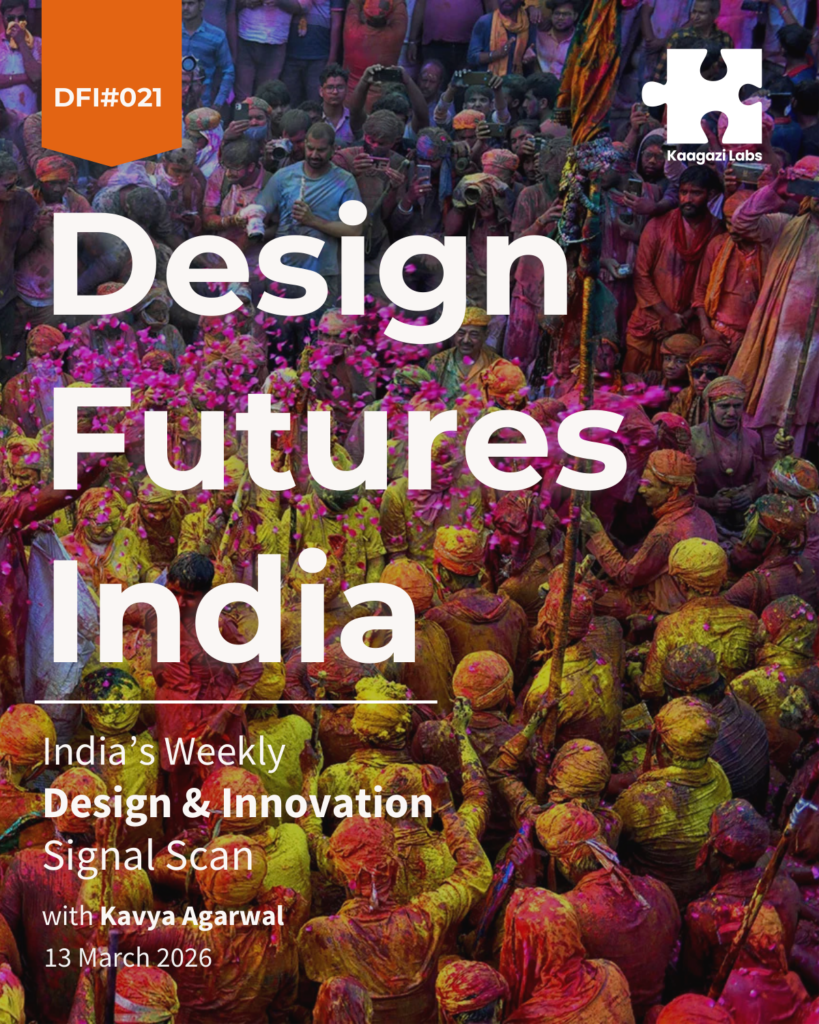
Design Futures India · 13 March 2026
DFI #021
In this edition: AI Impact Summit: India makes a case for design-led AI; India’s Semiconductor Push Includes Training Chip Designers; Government Signals a New Role for Design in India’s Growth; and more.
-
AI Impact Summit: India makes a case for design-led AI
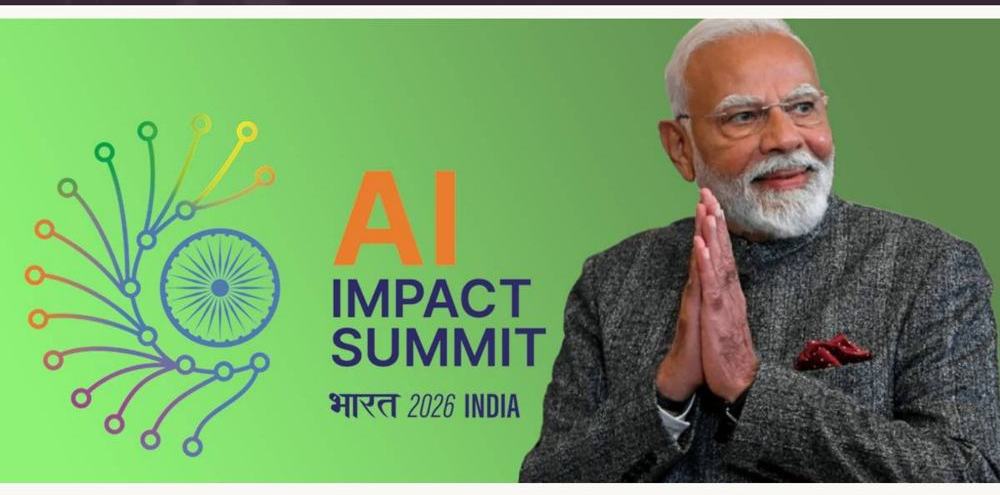 Held at Bharat Mandapam, New Delhi, the India AI Impact Summit 2026 brought together more than 20 heads of state, 60 ministers, and 500 global AI leaders, making it one of the largest AI gatherings yet. The summit was anchored in three pillars People, Planet, and Progress and closed with concrete outcomes including an AI Impact Summit Declaration, a Charter for the Democratic Diffusion of AI, and an Equitable AI Transitions Playbook. News Source: The Hindu For India’s design and innovation landscape, this is the real signal. If India wants to lead in AI, design cannot remain downstream. It must shape how AI is explained, governed, trusted, and used in everyday services. Leadership will depend not only on models, but on interfaces, language access, public systems, and citizen experience. In that sense, design is not supporting AI ambition. It is what will make that ambition legible, usable, and scalable in India. It is what will make that ambition legible, usable, and scalable in India.
From Design Futures India DFI #021, 13 March 2026. Read the full edition →
-
India’s Semiconductor Push Includes Training Chip Designers
 India is scaling its semiconductor ambitions beyond manufacturing by investing heavily in design talent. The government has announced plans to train 85,000 chip designers across 315 institutions, strengthening the country’s position in the global semiconductor design ecosystem.The initiative is part of the broader Semicon India programme, which aims to build capabilities across chip design, manufacturing, and research. India already contributes nearly 20% of the world’s semiconductor design workforce, with major global firms running large engineering centres in cities like Bengaluru and Hyderabad. The move signals a strategic shift: India wants to move from being a backend engineering hub to a global centre for chip architecture and design thinking. The challenge now will be ensuring that training quality, faculty expertise, and industry collaboration keep pace with this rapid scale-up. News Source: The Times of India News Source: The Times of India
From Design Futures India DFI #021, 13 March 2026. Read the full edition →
-
Government Signals a New Role for Design in India’s Growth
 At a post-Budget webinar on the proposed new National Institute of Design in eastern India, Shri Piyush Goyal signalled that design must move beyond cosmetic styling and be treated as a strategic national capability connecting technology, culture, and everyday systems. He linked this shift to India’s demographic dividend and the country’s vast cultural diversity, calling design a bridge between heritage and modern innovation. The Budget announcement of another NID aims to expand access to design education and connect craft clusters and MSMEs with modern design practices. Yet the deeper challenge remains capacity. India’s design sector faces not only a shortage of designers but also a growing shortage of experienced design faculty and updated curricula needed to train the next generation. However, the real question remains whether India is investing only in institutional infrastructure or also intellectual infrastructure for our design future? News Source: Press Information Bureau News Source: Press Information Bureau
From Design Futures India DFI #021, 13 March 2026. Read the full edition →
-
Maharashtra bets on democratising innovation
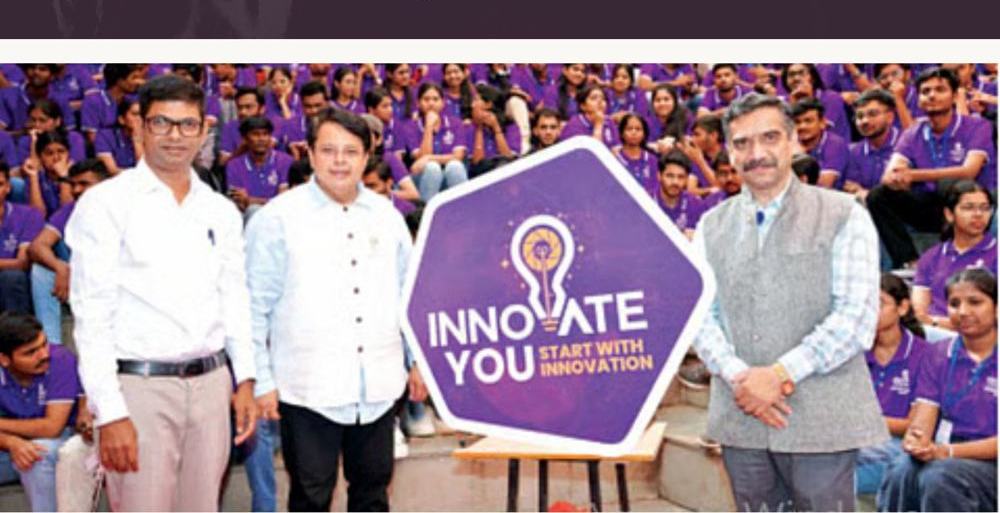 Maharashtra plans to set up Innovation Council Labs in 1,132 aided arts, commerce, and science colleges, extending research and prototyping culture beyond the engineering ecosystem. The stated aim is to help students move from theory to real-world problem solving, with faculty mentors and innovation councils supporting ideation, prototyping, and testing. The rollout will begin with aided colleges and later expand to unaided institutions. For India’s design and innovation landscape, this is a meaningful shift. Innovation has long been concentrated in technical institutes, leaving large numbers of non-engineering students outside the system. These labs could widen the pipeline of problem-framers, not just coders and engineers. The real test will be depth: funding, mentors, interdisciplinary faculty, and whether colleges become places that solve local problems, not just award degrees. News Source: The Times of India News Source: The Times of India
From Design Futures India DFI #021, 13 March 2026. Read the full edition →
-
Bidri Eyewear Case: Indian Crafts collide with modern design
 The Delhi High Court has issued notice in a suit by five authorised Bidriware artisans from Bidar against eyewear giant Lenskart, alleging that the company’s use of “Bidri” and Bidri-like visual language for eyewear misleads consumers and dilutes a GI-protected craft. Legal coverage notes the court also issued summons and exempted pre-institution mediation in the commercial suit. For the first time, a traditional craft aesthetic is being contested in a News Source: The Hindu contemporary product category like eyewear. Bidriware, a GI-registered craft from Bidar since 2006, is not just a style reference but a protected system of origin, material knowledge, and reputation. As Indian craft enters fashion, accessories, and luxury markets, the real question is no longer inspiration alone. It is whether India can build legal and market frameworks that let artisans benefit when heritage moves into contemporary design. It is whether India can build legal and market frameworks that let artisans benefit when heritage moves into contemporary design.
From Design Futures India DFI #021, 13 March 2026. Read the full edition →
-
Tribes Art Fest gives insights into India’s tribal heritage
 The Tribes Art Fest 2026 opened at Travancore Palace, New Delhi as a national platform for tribal visual traditions, bringing together over 70 artists, nearly 1,000 artworks, and 30 tribal art forms from across India. The programme includes live painting, curated walkthroughs, workshops, and dialogues among artists, curators, designers, and collectors. For India’s design and innovation landscape, the real signal is not exhibition alone. News Source: Indian Express It is whether such platforms can move tribal art from episodic display to durable market access, institutional recognition, and cultural authorship. Visibility matters, but only if it changes who gets collected, taught, archived, and paid. If India is serious about creative economies, tribal art cannot remain a festival moment. It must become part of the country’s long-term cultural infrastructure. It must become part of the country’s long-term cultural infrastructure.
From Design Futures India DFI #021, 13 March 2026. Read the full edition →
-
Another government logo contest. But what about design value?
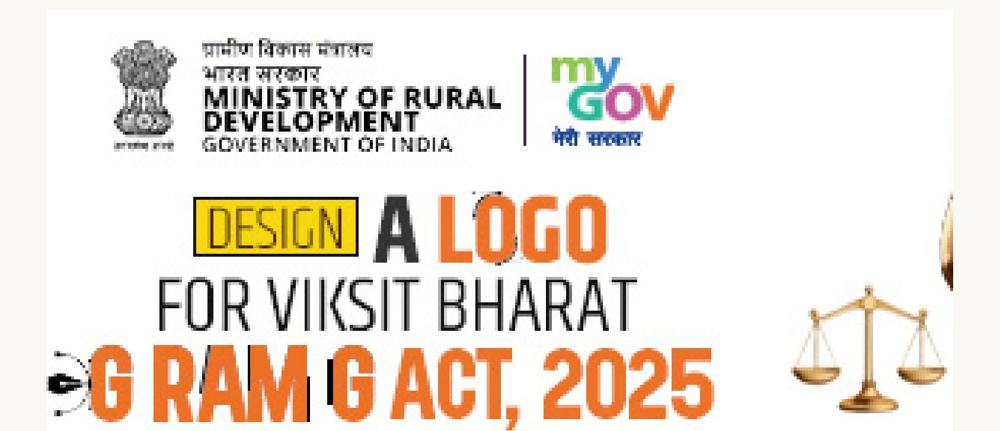 The Ministry of Rural Development has launched a nationwide logo design competition on the MyGov portal for the Viksit Bharat – Guarantee for Rozgar and Ajeevika Mission (Gramin) Act, 2025. The law expands rural employment guarantees from 100 to 125 days, aiming to strengthen livelihoods and inclusive growth across India’s villages. The winning logo, selected from citizen submissions, will receive ₹50,000 and become the official identity of the programme. While the move invites public participation in governance, it also raises deeper questions about how India values design. If design is a strategic national capability, when will identity design stop being treated as a crowdsourced logomark and start being recognised as professional infrastructure requiring deeper investment, awareness, and institutional respect? Perhaps the next step is not another contest but deeper civic particpation. News Source: Press Information Bureau News Source: Press Information Bureau
From Design Futures India DFI #021, 13 March 2026. Read the full edition →