Design Futures India · 3 April 2026
DFI #024
In this edition: How can India become a full stack semiconductor nation?; States responding to social media with bans but is that enough?; India’s Cars Are About to become More… Indian; and more.
-
How can India become a full stack semiconductor nation?
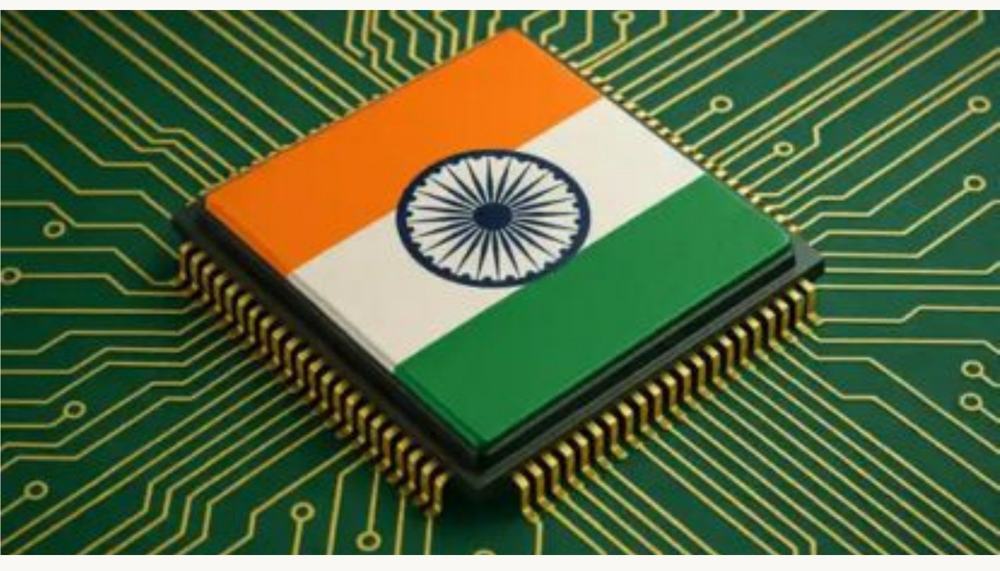 India’s semiconductor programme is moving from intent to execution. With 10 approved projects worth ₹1.6 lakh crore, and multiple plants nearing production, the country is building capabilities across fabrication, packaging, and assembly. At the same time, the government has enabled 315 universities with advanced chip design tools, leading to over 200 lakh hours of usage and 200+ chip tape-outs. This is not just industrial policy. It is ecosystem design linking talent, tools, capital, and global partnerships. For India’s future, the shift is critical. The question is no longer whether India can design chips. It is whether India can connect design to manufacturing and become a full-stack semiconductor nation. News Source: Press Information Bureau News Source: Press Information Bureau
From Design Futures India DFI #024, 3 April 2026. Read the full edition →
-
States responding to social media with bans but is that enough?
 States like Karnataka and Andhra Pradesh are moving to restrict or ban social media use for children, citing concerns around addiction and mental health.These proposals reflect a growing urgency within India to address the impact of digital platforms on young users especially after the US court verdict. However, digital platforms do not operate within News Source: The Print state boundaries. Enforcement across devices, platforms, and identities requires national-level policy, platform cooperation, and technical infrastructure. Statelevel bans risk becoming symbolic unless backed by coordinated implementation across the country. For India, the question is not whether to ban but whether platforms can be redesigned to protect young users at scale. For India, the question is not whether to ban but whether platforms can be redesigned to protect young users at scale.
From Design Futures India DFI #024, 3 April 2026. Read the full edition →
-
India’s Cars Are About to become More… Indian
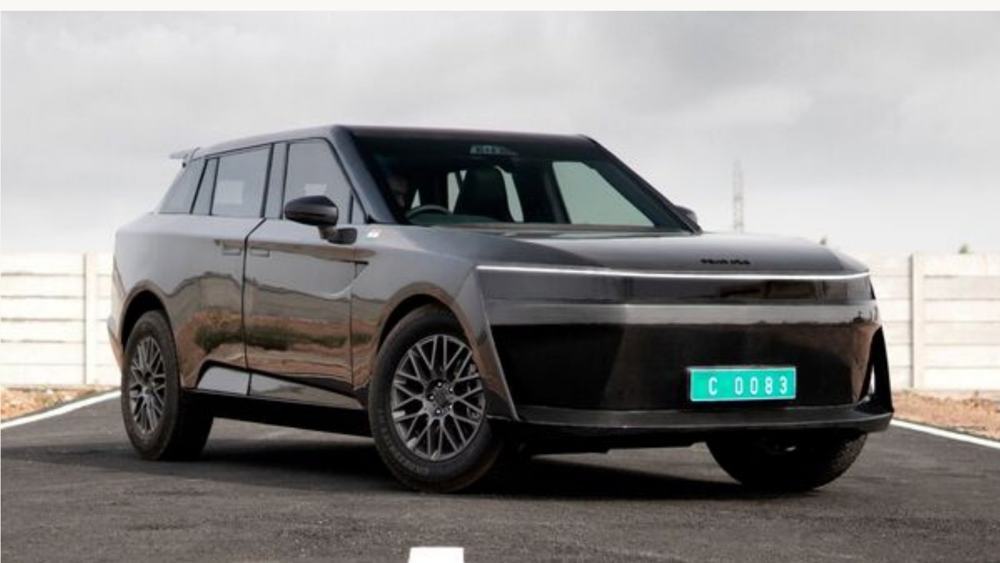 India’s auto market may be entering a design shift. As competition intensifies and consumers mature, carmakers are moving beyond global templates to create vehicles tailored specifically for Indian needs: think higher ground clearance, rear-seat comfort, climate resilience, and culturally tuned aesthetics. With features and technology becoming News Source: Carwale increasingly standardised across segments, design could emerge as the next key differentiator with buyers demanding vehicles that reflect their individuality. For the design ecosystem, this is significant. When products are built for India, not just sold here, local insights become strategic assets. The real question: will India remain a market or evolve into a design origin? The real question: will India remain a market or evolve into a design origin?
From Design Futures India DFI #024, 3 April 2026. Read the full edition →
-
India’s EV ambition is slowed by poorly designed systems
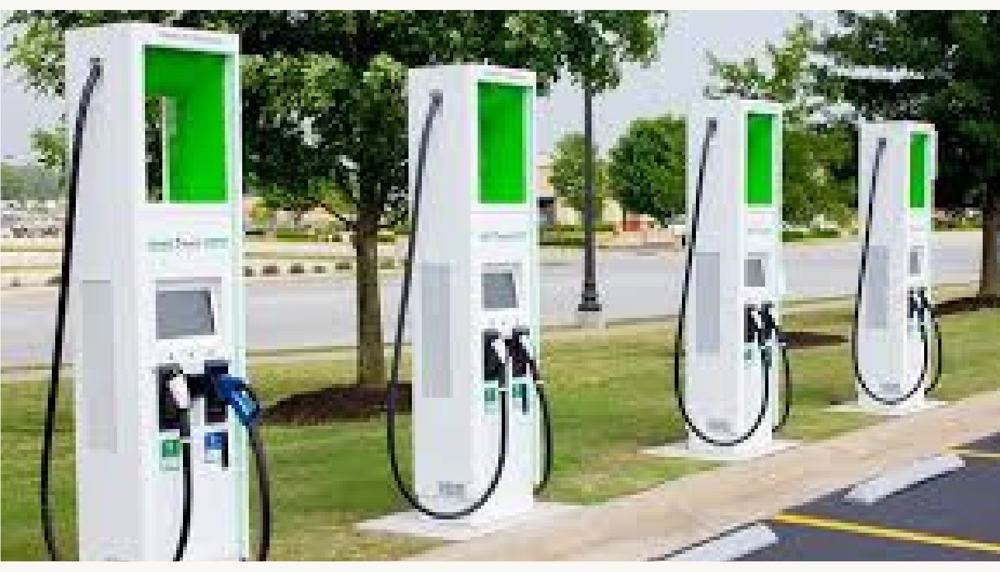 India’s push toward electric mobility is facing a familiar bottleneck: charging infrastructure. Despite policy support and rising EV adoption, the ecosystem remains fragmented with inconsistent standards, limited public chargers, uneven geographic distribution, and poor user experience across platforms. This is not just an infrastructure gap. It is a service design problem. Charging is where policy, hardware, software, and human behaviour intersect.Finding a charger, understanding compatibility, waiting times, payment flows, and reliability are all part of the experience, and each failure slows adoption. EV success will not be decided by vehicles alone, but by how seamlessly the ecosystem is designed. News Source: Economic Times Auto News Source: Economic Times Auto
From Design Futures India DFI #024, 3 April 2026. Read the full edition →
-
Newly inaugurated Noida Airport signals values of the new India
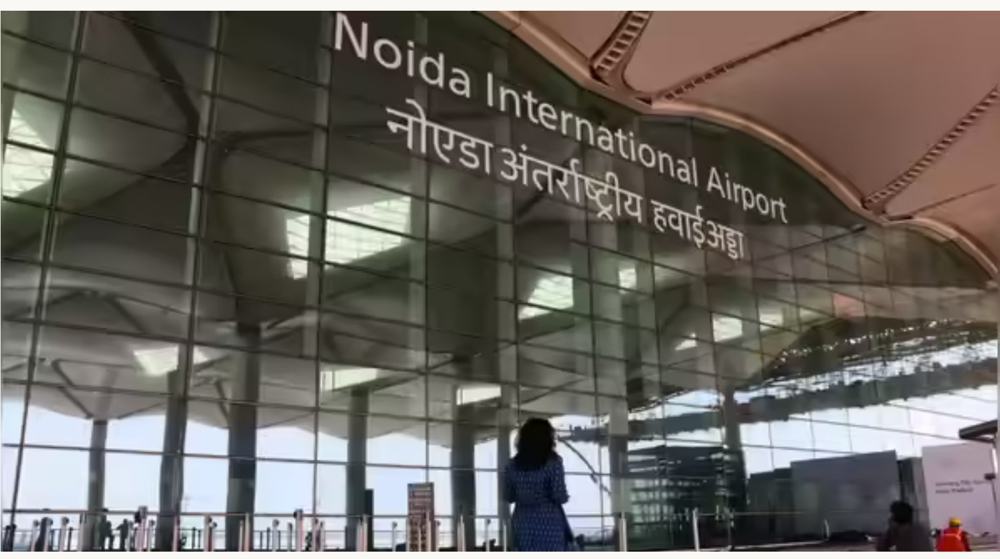 The newly inaugurated Noida International Airport at jewar brings together large-scale infrastructure with environmental conciousness and Indian cultural expression.From terminal architecture to interior detailing, the airport is designed to function as a net zero emissions facility incorporating energy effiecient technologies and sustainable News Source: Times of India practices. Designed to serve as a key international getaway for the National Capital Region, the facility will also reduce congestion at Delhi Airport. For decades, Indian infrastructure followed global templates with little local identity. Jewar suggests a different direction but how well its systems are designed beyond aesthetics will be tested in the months ahead. Jewar suggests a different direction but how well its systems are designed beyond aesthetics will be tested in the months ahead.
From Design Futures India DFI #024, 3 April 2026. Read the full edition →
-
India is beginning to design its own high-speed mobility systems
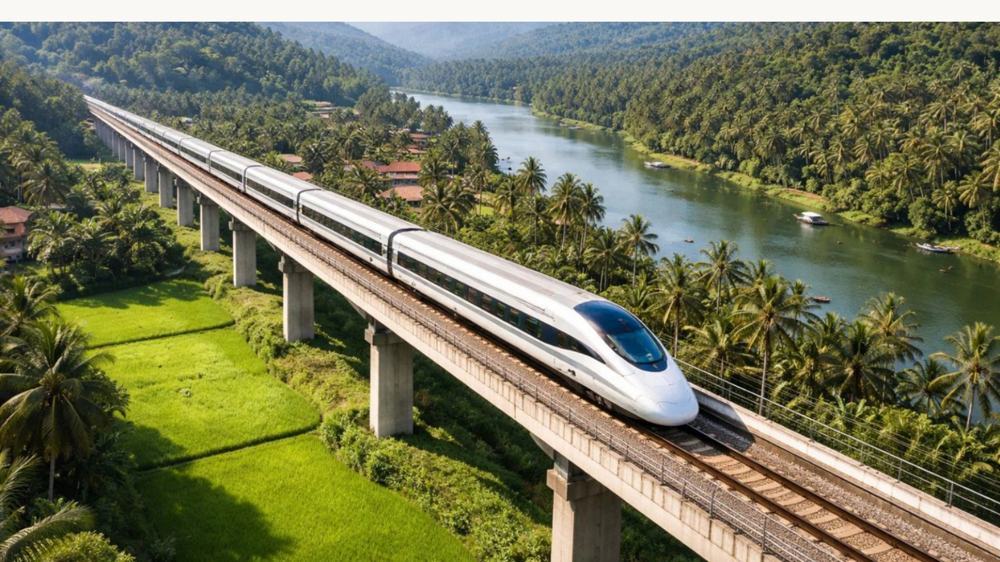 India is moving beyond importing bullet train technology to building its own. The B28 trainset, currently under development at BEML’s Bengaluru facility, marks the country’s first indigenously designed high-speed train, with a design speed of 280 kmph. The national transporter aims to roll out the first train by August The next step, the B35, has even News Source: Indian Express higher ambitions.2027. This is more than a manufacturing milestone. It represents a shift toward design ownership in critical infrastructure. For years, India relied on global partners for high-speed rail systems. Now, it is beginning to define its own specifications, constraints, and future pathways. For India’s future, the implication is clear: we are designing our own mobility. For India’s future, the implication is clear: we are designing our own mobility.
From Design Futures India DFI #024, 3 April 2026. Read the full edition →
-
India is designing a whole new frontier at sea
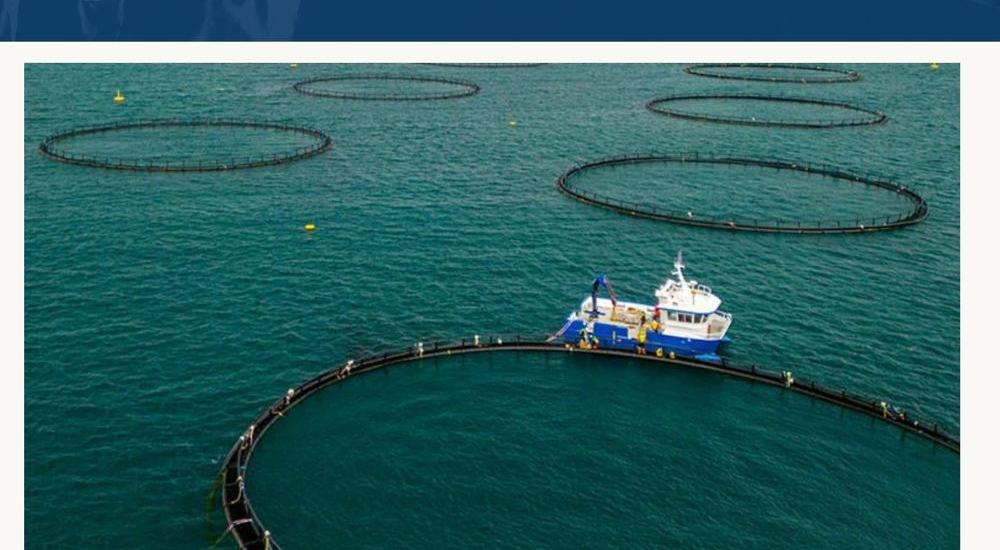 India is exploring offshore aquaculture through projects like open-sea fish farming in the Andaman region, using cagebased systems designed for deeper waters. These systems aim to increase fish production while reducing pressure on coastal ecosystems and traditional fishing zones. This is more than a fisheries initiative. It signals India designing new food and livelihood infrastructure in response to climate stress, resource limits, and rising demand. But success will depend on more than deployment. These systems must balance ecology, community livelihoods, and long-term sustainability. For India’s future, the opportunity is clear: can we design ocean-based infrastructure that is not extractive, but regenerative by design? News Source: Observer Reserach Foundation News Source: Observer Reserach Foundation
From Design Futures India DFI #024, 3 April 2026. Read the full edition →